Residential ant control
Residential treatment covers kitchen trails, slab edges, crawl spaces, and yards around Bastrop homes, including older downtown properties and newer subdivision houses.
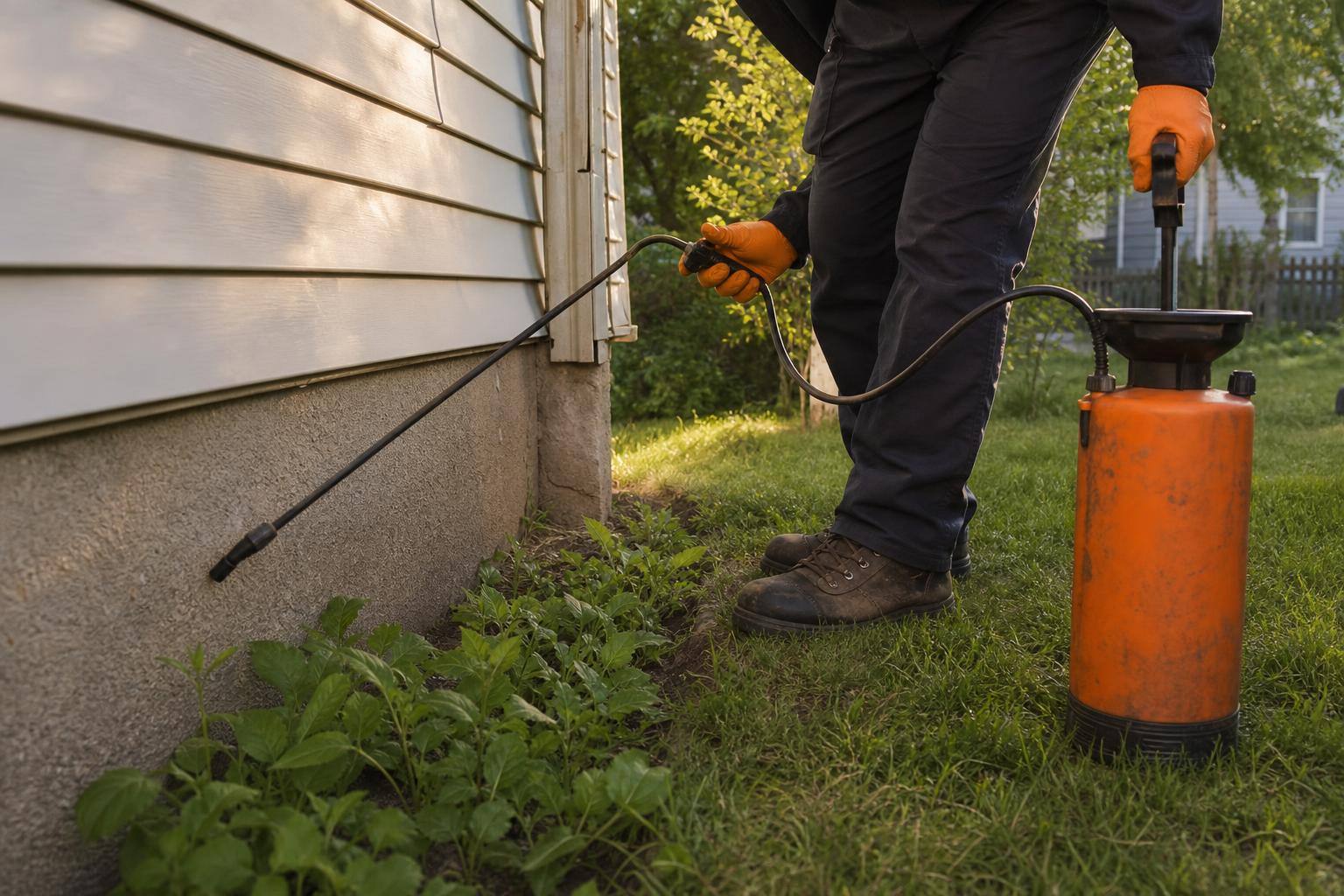
Ant control service · Bastrop, TX
In historic downtown Bastrop, ants slip through old trim and foundation gaps, while new subdivision homes develop trails along fresh slabs. One call gets the ant treatment sorted for the property.
A real person answers · No forms · No waiting on a quote email
Plan
Older downtown houses often need a targeted treatment, while recurring activity across a slab home, yard, and kitchen may fit whole-home control.
Quote
The quote is given on the call, based on activity, property size, access, materials, and the treatment selected.
Time
The visit time is set on the call around access to the home, yard, utility areas, and any tenant requirements.
From historic downtown Bastrop and the streets near the Colorado River to newer homes along Texas Highway 71 and Bastrop County acreage, ant work changes with the property. Technicians trace kitchen trails, inspect slab edges, check crawl spaces, and treat fire ant mounds or exterior entry points without assuming every home needs the largest service.
Services
Bastrop
Bastrop has two different ant control challenges under one town name. Historic homes may have aging trim, pier areas, and many small entry points, while expanding subdivisions bring broad slabs, fresh landscaping, and exposed foundation edges. Long hot summers, drought-stressed soil, clay movement, and flash flooding all affect where trails form and whether exterior baiting or foundation access is practical.
Residential treatment covers kitchen trails, slab edges, crawl spaces, and yards around Bastrop homes, including older downtown properties and newer subdivision houses.
Kitchen treatment traces ants to food, plumbing penetrations, cabinets, and wall gaps instead of treating only the visible trail in a Bastrop home.
Carpenter ant work checks damp wood, roof edges, window trim, and wall voids around Bastrop's older homes and shaded properties near the river.
Fire ant control focuses on active mounds in Bastrop yards, garden borders, play areas, and disturbed soil around newer construction.
Outdoor treatment follows trails along foundations, patios, fences, and utility penetrations, with Bastrop drought and clay conditions considered during placement.
Commercial work addresses ant activity around offices, shops, food areas, storage rooms, and exterior walls in Bastrop's downtown and growing business corridors.
A prevention plan monitors recurring trails and refreshes treatment areas around Bastrop properties before summer activity or wet ground pushes ants indoors.
Most Bastrop jobs begin with an inspection or targeted treatment because the visible trail does not always show the nest. Whole-home control fits recurring activity across several rooms, foundation lines, and yard areas, while prevention suits properties with repeated seasonal pressure.
A technician identifies ant species, entry points, trails, and nesting conditions.
An inspection fits a single unexplained trail in a downtown Bastrop kitchen, a slab edge near a new subdivision, or a suspected carpenter ant area needing species and entry-point identification.
Treatment addresses visible activity and accessible nesting or entry areas.
A targeted treatment suits visible kitchen ants, one foundation entry, or an outdoor nest at a Bastrop property when activity is localized and accessible nesting areas can be addressed.
A coordinated interior and exterior treatment targets recurring activity around the property.
Whole-home control fits recurring ants across a Bastrop house, garage, yard, and foundation, especially where clay movement, landscaping, or several entry points keep activity returning.
Scheduled visits monitor activity and refresh preventive treatments as needed.
A prevention plan suits homes, rentals, and commercial properties in Bastrop with repeated seasonal activity, allowing visits to monitor trails and refresh preventive treatment as needed.
Cost
The exact quote is given on the call after the property and ant activity are described. Cost depends on the type and size of the job, species, treatment areas, parts and materials, time on site, distance, access, and after-hours work.
Prices change with the property size, ant species, number of active areas, and whether the job involves a kitchen, foundation, yard, crawl space, or commercial area.
Distance and access affect the work when a property sits on Bastrop County acreage, has a narrow drive, blocked foundation edges, or limited entry to utility areas.
Parts and materials vary with the treatment plan, nesting conditions, baiting needs, accessible entry points, and whether interior and exterior areas both require work.
Time on site depends on inspection findings, trail length, preparation, and the number of treatment areas. After-hours work can also change the service cost.
To avoid surprise charges, describe every active area, property type, access problem, and prior treatment on the call. The exact quote is given before the visit is set, with the selected ant treatment clearly identified.
What goes in
This includes ants in kitchens, bathrooms, utility rooms, wall edges, and living areas. A typical Bastrop load may involve trails entering through slab joints or plumbing penetrations.
Outdoor work covers visible nests and trails in yards, foundation beds, patios, and garden borders. Bastrop's clay soil, drought stress, and flood-prone ground can change access.
This category covers suspected carpenter ants around damp wood, roof edges, windows, trim, and crawl spaces, including older Bastrop homes where hidden entry points are common.
Not accepted. The service does not cover hazardous materials, unrelated wildlife, structural reconstruction, inaccessible areas, or treatment of anything outside the agreed ant work.
Projects
Kitchen treatment traces trails through cabinets, backsplashes, plumbing openings, and wall edges in Bastrop homes, including older downtown properties with many small gaps.
Foundation work follows slab edges, door thresholds, patios, and utility penetrations around Bastrop subdivision homes and properties with clay movement.
Carpenter ant control examines damp wood, trim, roof edges, and crawl spaces at Bastrop houses, especially shaded homes near the Colorado River.
Fire ant work targets active mounds in Bastrop yards, garden beds, play areas, and disturbed soil around expanding construction.
Yard treatment addresses trails near fences, patios, landscaping, and foundation beds throughout Bastrop County, with soil and drainage conditions considered.
Apartment work checks kitchens, shared walls, utility penetrations, and nearby exterior areas in Bastrop buildings where activity can move between units.
Commercial treatment covers food areas, storage rooms, offices, entrances, and exterior walls in Bastrop's downtown and growing business corridors.
Ask for an inspection when the species, nest location, or entry route is unclear at your Bastrop home or business.
Explain where ants appear, how often trails return, what rooms or yard areas are affected, and any previous treatment.
Review the recommended visit, treatment areas, access needs, and exact quote before approving the work.
Follow preparation guidance, correct moisture or food access where practical, and use prevention visits if activity keeps returning.
Weather
Bastrop's long hot summers can increase trail activity around foundations and kitchens, while drought stress may push ants toward irrigation and indoor moisture. Clay soils can shift around slabs, and flash flooding can disrupt exterior baiting or limit access until ground conditions are workable.
Placement
Work may occur at slabs, crawl spaces, basements where present, utility rooms, kitchens, foundation beds, patios, and yards. Stored items, landscaping, narrow side paths, flood-softened ground, locked gates, and blocked shutoffs can limit access and change the treatment plan.
Permits
Ant treatment on private property usually does not require a local construction permit, but unusual work involving public space, street placement, or a related property change may require review. The City of Bastrop or Bastrop County can confirm local requirements, and the call covers who needs to arrange any required inspection or approval.
Bastrop County subdivisions and managed communities may have rules about exterior treatment, equipment placement, tenant notice, or contractor access. Check the HOA, covenant documents, or landlord instructions before exterior work is scheduled.
Keep the affected rooms, foundation edges, crawl-space entrances, utility areas, and yard trails reachable. Provide safe parking for the work vehicle, unlock gates, identify shutoffs, and keep pets and people clear. Wet ground after flooding or heavy rain may restrict exterior access.
Service covers historic downtown Bastrop, areas near the Colorado River, residential streets east and west of town, newer subdivision corridors along Texas Highway 71, and Bastrop County properties. Nearby service areas can include Leander, Kempner, Tomball, Groesbeck, and Missouri City through the broader coverage network.
Not sure about your street? Ask on the call and we will tell you which office handles it.
Timing
Ant activity in Bastrop commonly builds during warm weather, with long hot summers driving trails toward kitchens, shaded foundations, irrigation, and utility areas. Drought can concentrate activity near watered landscaping, while rain and flash flooding can shift nests and complicate exterior treatment. Older homes and new subdivision landscaping each create different seasonal entry points.
Hot, dry Bastrop conditions can move ants toward indoor moisture, hose bibs, irrigation, kitchens, and shaded foundation edges. Inspection should include these transitions rather than stopping at the first visible trail.
Rain can open new trails and move outdoor nests, while clay soil and flash flooding may limit access along foundations. Exterior treatment areas should be checked again when the ground is stable.
Service area
Bastrop is part of our Bastrop County coverage, and we also serve the neighboring communities below.
Why us
Bastrop's mix of historic houses and fast-growing subdivisions changes the inspection. Older trim, crawl spaces, and foundation gaps call for different checks than broad slabs, fresh landscaping, and exposed utility penetrations in newer homes.
Getcha Pest Control · Bastrop
Clay soil, drought-stressed yards, long summer heat, and flash flooding can move ant activity around a property. The treatment plan needs to account for drainage, foundation access, shaded moisture, and which exterior areas can safely be reached.
Click Here to Call (888) 510-9023FAQs
Still have a question about Bastrop? Call (888) 510-9023 and ask a real person.
Ant control cost depends on the property and job, including species, treatment size, activity areas, access, time on site, materials, distance, and after-hours work. The exact quote is given on the call after you describe the home, business, yard, and recurring areas.
An inspection fits unclear activity, targeted treatment fits a localized trail or nest, whole-home control fits recurring activity across rooms and exterior areas, and a prevention plan fits repeated seasonal problems. Historic homes and newer slab houses often need different entry-point checks.
The visit time is set on the call after the property, activity, access, and service need are reviewed. Ask about available options for urgent indoor activity, and have the address, affected areas, and any access restrictions ready.
Treatment can cover indoor trails, accessible nesting or entry areas, foundations, yards, kitchens, crawl spaces, and commercial areas according to the selected service. The technician identifies species and activity before deciding how broad the work needs to be.
Ant control does not cover hazardous materials, unrelated wildlife, structural reconstruction, inaccessible areas, or work outside the agreed ant treatment. Damp wood, leaks, drainage issues, and damaged trim may need separate property repairs even when they contribute to ant activity.
Routine private-property ant treatment generally does not require a construction permit, but work involving public space or a related property change may need local review. The City of Bastrop or Bastrop County can confirm requirements, and the call covers who handles any required approval.
Make kitchens, utility rooms, foundation edges, crawl-space entrances, and active yard areas accessible. Secure pets and people, unlock gates, identify shutoffs, move loose items from treatment areas, and explain prior products or applications.
Yes, hot weather can push ants toward indoor moisture, while rain, clay soil, and flash flooding can move nests or limit exterior access. The technician may adjust exterior treatment areas after checking ground conditions and drainage.
Have the property address, home or business type, affected rooms and outdoor areas, ant appearance if known, activity pattern, prior treatment details, access limits, pets, and preferred visit constraints ready for the call.
Returning ants may be following slab gaps, utility penetrations, irrigation, shaded landscaping, moisture, or nests outside the first treatment area. Bastrop's clay soils, drought stress, and flash flooding can change those routes, so recurring activity may need whole-home control or a prevention plan.
A real person answers · No forms · Every quote given on the phone