Residential ant control
Residential treatment covers trails, entry points, nesting conditions, and accessible areas around Parkville homes with tight side yards and older foundations.
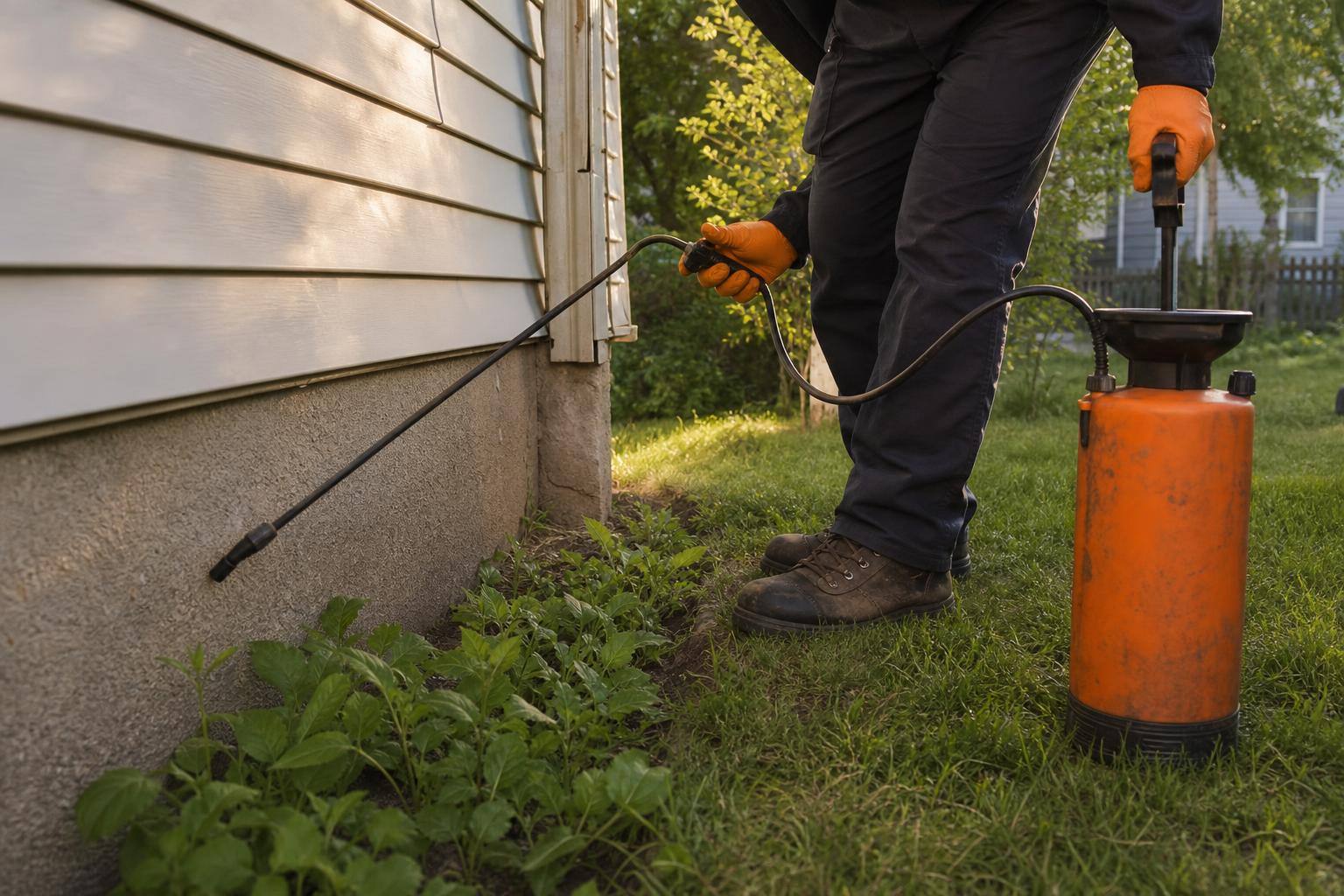
Ant control service · Parkville, MD
A compact postwar home near Harford Road may leave little room beside the foundation, so ant trails often run through cracks, utility entries, and connected landscaping. One call gets the treatment matched to the property.
A real person answers · No forms · No waiting on a quote email
Plan
For a Parkville rancher or split-level with limited side access, a targeted treatment usually fits, while recurring activity may need whole-home control.
Quote
The quote is given on the call after reviewing ant type, treatment area, access, materials, and time on site.
Time
The visit time is set on the call around access to the home, occupants, pets, and the affected areas.
Ant work in Oakleigh, Taylor Village, Harford Hills, and homes near Putty Hill Road often centers on aging foundation joints, kitchens, basements, and narrow side yards. Properties around Parkville’s established suburban streets may need treatment from the front, basement, or utility side when fences and additions block direct access.
Services
Parkville
Parkville’s postwar homes commonly have mature shrubs, attached additions, basement utility areas, and narrow side passages. Humid summers and heavy rainfall keep soil and mulch active around foundations, while winter freezes open small cracks that ants can use later. Treatment starts with identifying the species and tracing activity before choosing interior, exterior, or coordinated work.
Residential treatment covers trails, entry points, nesting conditions, and accessible areas around Parkville homes with tight side yards and older foundations.
Kitchen treatment follows trails to gaps around counters, plumbing entries, windows, and walls, especially in compact Parkville homes with connected utility spaces.
Carpenter ant work examines damp wood, foundation edges, roof or wall transitions, and accessible nesting areas around Parkville basements and additions.
Fire ant control addresses identified outdoor activity in lawns, beds, and soil areas across Parkville, with treatment placement based on people and pet access.
Outdoor treatment targets nests, trails, mulch lines, and foundation edges around Parkville yards where rainfall and dense planting hold moisture.
Commercial work maps activity through kitchens, storage rooms, utility areas, and exterior walls for Parkville offices, shops, and occupied properties.
A prevention plan monitors recurring trails and refreshes preventive treatments at scheduled visits around Parkville foundations, landscaping, and entry points.
The most common Parkville job is a targeted treatment because compact lots and limited side access concentrate ant activity at foundations, kitchens, and utility entries. Recurring trails across the structure may call for whole-home control.
A technician identifies ant species, entry points, trails, and nesting conditions.
An inspection fits a Parkville homeowner who sees a few trails near a sink, window, basement, or foundation but has not confirmed the species or entry point.
Treatment addresses visible activity and accessible nesting or entry areas.
A targeted treatment suits visible activity at a kitchen, foundation crack, porch, or accessible nest, including compact postwar properties where side access is limited.
A coordinated interior and exterior treatment targets recurring activity around the property.
Whole-home control fits recurring activity moving between the yard, foundation, basement, and living areas of a Parkville home or connected addition.
Scheduled visits monitor activity and refresh preventive treatments as needed.
A prevention plan suits properties with repeated seasonal activity around mature landscaping, damp foundation edges, or multiple entry points that return after treatment.
Cost
The exact quote is given on the call after the work area is described. Cost depends on ant species, job size, interior and exterior areas, nesting conditions, access around the Parkville property, time on site, distance, and parts or materials used.
The number of rooms, foundation sides, nests, trails, and connected outdoor areas changes the work required for a Parkville ant treatment.
Narrow side passages, fences, additions, basement entries, and distance from vehicle access can change setup time and how the technician reaches the activity.
Treatment materials and any parts needed to address accessible entry points depend on the ant species, nesting conditions, surfaces, and affected areas.
Tracing trails, checking utility rooms, treating interior and exterior areas, and documenting recurring activity can require different amounts of time.
A clear quote discussion covers the reported activity, treatment areas, access limits, materials, distance, and time on site before the visit is set. Describe every active area so the work is not sized from a single trail alone.
What goes in
This covers ants in kitchens, bathrooms, basements, utility rooms, and living spaces. In Parkville, activity often follows plumbing openings, foundation joints, and connected additions.
This covers nests and trails in lawns, mulch, beds, and foundation edges. Typical Parkville loads include damp soil, dense shrubs, and leaf buildup after heavy rainfall.
This covers suspected carpenter ant activity around damp wood, wall voids, basements, porches, and additions in Baltimore County homes and other occupied properties.
Not accepted. Treatment does not cover unrelated pests, inaccessible concealed conditions, unsafe work areas, or materials and spaces not described during the booking discussion.
Projects
Kitchen ant control follows trails around sinks, cabinets, counters, windows, and plumbing entries in Parkville homes with compact layouts.
Foundation work targets cracks, soil lines, mulch, siding transitions, and utility entries around Baltimore County properties with limited side access.
Carpenter ant control examines damp wood, basements, porches, and additions around Parkville houses where winter freezes and rainfall expose weak points.
Fire ant control addresses identified outdoor activity in lawns and beds, with placement planned around children, pets, walkways, and yard use in Parkville.
Yard treatment follows nests through mulch, planting beds, retaining edges, and foundation lines in Parkville’s densely landscaped residential blocks.
Apartment treatment begins with the unit’s activity and checks shared walls, utility openings, kitchens, and access limits common in Baltimore County buildings.
Commercial control maps trails through food areas, storage, utility rooms, and exterior walls for Parkville businesses and occupied properties.
Describe the Parkville property, visible trails, rooms involved, and any narrow side access or locked areas before the visit is set.
Share when ants appear, where they enter, whether activity follows rainfall, and any damp wood, mulch, or foundation conditions.
Review the proposed inspection or treatment scope, access needs, materials, and quote before approving the work.
Follow placement guidance, correct accessible moisture or entry conditions, and consider monitoring when activity returns across seasons.
Weather
Humid Parkville summers support activity around damp soil, mulch, and shaded foundations. Heavy rainfall can move ants toward walls and interior gaps, while winter freezes may open foundation cracks. Weather affects exterior access and treatment placement, so recent rain, saturated soil, and cold conditions are discussed when setting the visit.
Placement
Work may occur in kitchens, basements, crawl spaces, utility rooms, slab edges, foundation joints, porches, yards, and planting beds. Parkville’s compact postwar lots can restrict side access, while fences, additions, stored items, and shared driveways may require a different route to the activity.
Permits
An ant treatment on private property usually does not require a street permit, but work involving public space, unusual vehicle placement, or a local inspection should be confirmed with Baltimore County. The booking discussion covers whether the county or another authority is involved and who arranges any required approval.
Baltimore County homeowners associations, covenants, and landlords may limit exterior treatment placement, access through shared areas, or notices to residents. Check the applicable property rules before work around common grounds, attached housing, or rental units.
Keep access open to the reported rooms, basement, crawl space, utility area, foundation, and yard. Identify shutoffs and locked gates, provide a safe parking area for the work vehicle, and keep people and pets clear. Wet ground, fallen leaves, and seasonal yard conditions should be mentioned.
Service covers Parkville homes and businesses around Oakleigh, Taylor Village, Harford Hills, Putty Hill Road, Harford Road, and the town’s compact residential streets. Nearby Baltimore County areas can include Carney and Perry Hall, with other nearby communities such as Lutherville Timonium, Halethorpe, Abingdon, Severn, and Perryman handled according to the booking area.
Not sure about your street? Ask on the call and we will tell you which office handles it.
Timing
Ant activity in Parkville often rises through humid spring and summer conditions, especially around shaded foundations, mulch, kitchens, and damp utility spaces. Heavy rainfall can push outdoor ants toward buildings. Fall activity may move indoors as temperatures change, while winter freezes expose cracks and leave sheltered indoor trails active.
Spring rain wets soil and planting beds around Parkville foundations, making trails easier to spot near mulch, porches, and basement windows. Clear access to these edges before the visit.
Winter freezes can open small foundation gaps and drive ants toward warmer utility rooms or kitchens. Report indoor activity and any damp wood or cracks noticed during cold weather.
Service area
Parkville is part of our Baltimore County coverage, and we also serve the neighboring communities below.
Why us
Parkville’s established postwar neighborhoods often combine aging foundation details, mature landscaping, basement utility spaces, and narrow side access. That combination makes tracing the route from a kitchen or wall to the exterior more useful than treating one visible line alone.
Getcha Pest Control · Parkville
Heavy rainfall and humid summers keep soil and mulch active around Baltimore County homes, while winter freezes expose new gaps. Ant treatment here needs attention to foundation edges, plumbing entries, damp wood, and the routes a technician can actually reach.
Click Here to Call (888) 510-9023FAQs
Still have a question about Parkville? Call (888) 510-9023 and ask a real person.
The quote is given on the call after reviewing the ant type, job size, treatment areas, access, distance, time on site, and parts or materials. A single kitchen trail and recurring activity across a foundation require different work. Describe every active area in the Parkville property so the quote reflects the actual scope.
A targeted treatment often fits visible activity at one kitchen, foundation edge, or accessible nest. An inspection fits uncertain activity, while whole-home control suits trails connecting rooms and exterior areas. A prevention plan is considered when activity returns around landscaping, basements, or multiple entry points.
The visit time is set on the call after the property, activity, access, occupants, and pets are discussed. Same-day or next-day availability can be asked about, but it is not promised. Have the affected rooms, exterior areas, and any access restrictions ready to describe.
Treatment can address identified indoor activity, outdoor nests, carpenter ant conditions, visible trails, accessible entry areas, and recurring activity around the property. The exact scope depends on the approved visit type, species, nesting conditions, and areas that can be safely reached.
Ant control does not cover unrelated pests, unsafe work areas, inaccessible concealed conditions, or spaces and materials not described during booking. Structural repairs, moisture correction, and hidden conditions may require separate work or attention before treatment can be effective.
Most private-property ant treatments do not require a street permit or local inspection. Baltimore County involvement may matter if work affects public space, unusual vehicle placement, or another regulated area. The call covers what needs checking and who arranges any required approval.
Access requirements depend on the rooms, materials, and treatment plan. People and pets may need to stay clear of work areas, while kitchens, basements, utility rooms, crawl spaces, gates, and yards must be reachable. Mention occupants, pets, locked spaces, and limited side access when booking.
Have the property address, ant locations, recent photos or a specimen if available, the first date noticed, affected rooms, outdoor nest areas, pets, and access limits ready. In Parkville, also mention narrow side passages, fences, additions, basements, and recent heavy rainfall.
Yes, humid summers and heavy rainfall can increase outdoor activity and push ants toward foundations, while winter freezes expose entry gaps. Saturated soil, cold conditions, fallen leaves, and blocked yard access can affect exterior work, so describe recent weather when setting the visit.
Yes, the treatment plan can account for narrow side passages, fences, additions, and compact postwar lots. The technician may need to work from the front, basement, utility area, or reachable yard edge after tracing the activity and confirming safe access.
A real person answers · No forms · Every quote given on the phone