Residential ant control
Residential treatment covers Miami bungalows, condos, and townhomes where trails enter through kitchens, slabs, windows, or plumbing openings.
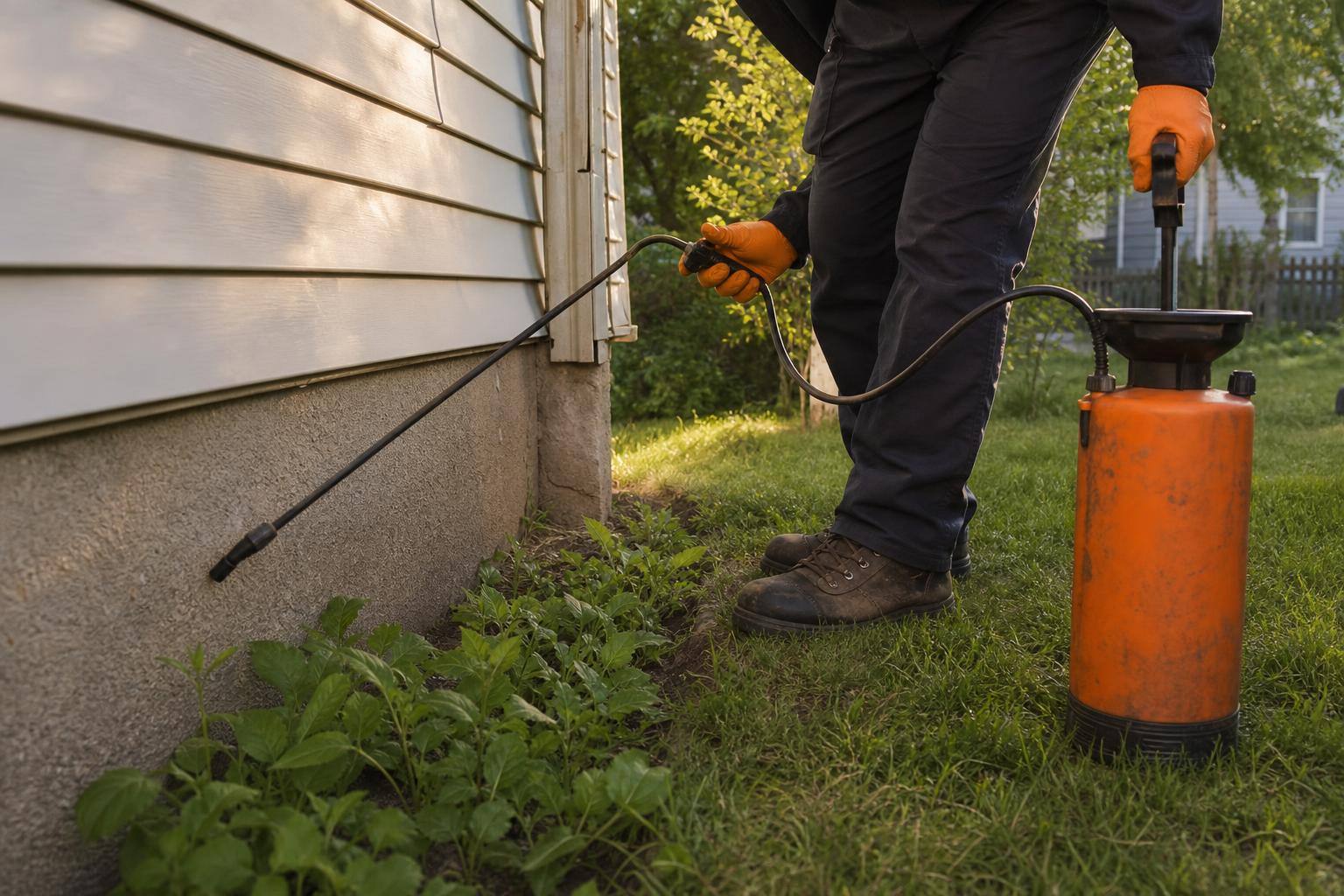
Ant control service · Miami, FL
In Little Havana, a bungalow kitchen can share walls with an ant trail running through porous limestone. One call gets the activity assessed and the right ant treatment lined up.
A real person answers · No forms · No waiting on a quote email
Plan
For Miami bungalows, apartments, and high-rise units, the call usually starts with an inspection or targeted treatment, depending on visible trails, entry points, and nesting conditions.
Quote
The exact quote is given on the call, based on treatment type, property size, access, activity, materials, and distance.
Time
The visit time is set on the call around building access, tenant schedules, weather, and the affected area.
From Coconut Grove and Coral Gables to Little Havana, Brickell, and Miami Beach, ant work changes with the property. Bungalow kitchens need careful entry-point checks, high-rise units require building access, and tropical yards often need exterior treatment around slabs, walls, and utility penetrations.
Services
Miami
Miami homes combine slab construction, shaded landscaping, humid kitchens, and frequent openings around plumbing and air conditioning. High-rise work may involve elevators, management approval, and unit access, while bungalow and yard treatments require attention to foundations, mulch, palms, and irrigation. The treatment is selected after identifying the ant species, trail, entry point, and nesting conditions.
Residential treatment covers Miami bungalows, condos, and townhomes where trails enter through kitchens, slabs, windows, or plumbing openings.
Kitchen treatment traces activity around sinks, cabinets, dishwashers, and food storage, including compact units in Brickell and Little Havana.
Carpenter ant work examines damp wood, roof edges, trees, and wall voids around Miami homes after humidity or storm exposure.
Fire ant control targets outdoor mounds in Miami-Dade yards, planting beds, play areas, and edges beside walks or driveways.
Outdoor treatment follows trails around foundations, patios, fences, palms, and irrigation lines in Miami gardens and bungalow lots.
Commercial service accounts for kitchens, loading areas, trash rooms, and tenant access in Miami restaurants, offices, shops, and towers.
Prevention visits monitor recurring trails and refresh treatment around Miami properties where heat, humidity, landscaping, and porous ground sustain activity.
The most common Miami job is an inspection followed by targeted treatment for a visible kitchen, foundation, or yard trail. Recurring activity across both interior and exterior areas may need whole-home control, while persistent properties suit a prevention plan.
A technician identifies ant species, entry points, trails, and nesting conditions.
An inspection fits a Miami condo, bungalow, or rental where the species, trail, entry point, or nesting location is unclear. The technician checks activity and conditions before treatment is chosen.
Treatment addresses visible activity and accessible nesting or entry areas.
A targeted treatment suits a defined kitchen trail, foundation entry, or outdoor mound in Miami. It addresses visible activity and accessible nesting or entry areas without treating unrelated parts of the property.
A coordinated interior and exterior treatment targets recurring activity around the property.
Whole-home control fits recurring activity moving between a Miami house, yard, slab, and utility penetrations. Interior and exterior areas are coordinated to address several connected activity points.
Scheduled visits monitor activity and refresh preventive treatments as needed.
A prevention plan suits Miami properties with repeated activity through humid seasons, landscaped lots, or shared building conditions. Scheduled visits monitor trails and refresh preventive treatments as needed.
Cost
The exact quote is given on the call after the work is understood. Cost depends on the ant species, treatment type, property size, activity level, parts or materials, time on site, access, distance across Miami, and after-hours work.
A small kitchen trail differs from activity across a Miami bungalow, high-rise unit, yard, and foundation. Species, nesting conditions, and treatment area change the work.
High-rise elevators, locked utility rooms, narrow side yards, parking limits, and building management access can change time on site and travel needs.
Parts and materials depend on the treatment plan, accessible nesting areas, entry points, and whether interior, exterior, slab, or landscaping areas require attention.
After-hours work, storm conditions, standing water, heavy humidity, and difficult access can affect the visit. The treatment plan is reviewed before work proceeds.
To avoid surprise charges, describe every affected area, building restriction, visible trail, and prior treatment on the call. The exact quote is given before the visit is arranged.
What goes in
Indoor activity includes trails in kitchens, bathrooms, wall edges, cabinets, and utility rooms. A Miami condo kitchen may need access around plumbing penetrations and shared walls.
Outdoor nests include mounds and trails in yards, planting beds, patios, and foundation edges. Miami loads often include palms, mulch, irrigation, and wet ground.
Carpenter ant work covers activity associated with damp wood, trees, roof edges, and wall voids. Miami humidity and storm exposure can make those conditions worth checking.
Not accepted. The service does not cover unrelated plumbing, structural reconstruction, concealed damage repair, or any material and area not discussed in the treatment plan.
Projects
Kitchen control traces activity around sinks, cabinets, appliances, and food storage in Miami homes, including compact kitchens in Brickell and Little Havana.
Foundation work follows trails from Miami-Dade soil, planting beds, patios, and slab edges toward doors, windows, and utility penetrations.
Carpenter ant control checks damp wood, trees, roof edges, and wall voids around Miami homes affected by humidity or storm exposure.
Fire ant control addresses outdoor mounds in Miami yards, beds, walkways, and play areas after their locations and nearby activity are checked.
Yard treatment follows trails around palms, mulch, irrigation lines, fences, and foundations in Miami bungalow lots and landscaped properties.
Apartment control accounts for shared walls, plumbing openings, elevators, management access, and neighboring units in Miami high-rise and garden buildings.
Commercial control suits Miami restaurants, offices, shops, and towers where kitchens, trash rooms, loading areas, and tenant schedules affect access.
Describe the Miami property, visible activity, affected rooms, outdoor areas, and any concern about species or nesting conditions.
Explain where trails begin, when they appear, what they reach, and whether humidity, rain, leaks, landscaping, or food seems connected.
Review the recommended visit, treatment areas, access needs, materials, and exact quote before approving the work.
Follow preparation guidance, correct accessible moisture or food sources, and use monitoring or preventive visits when recurring Miami activity warrants them.
Weather
Miami heat and heavy humidity support ant activity through much of the year. Rain can move colonies toward walls, kitchens, slabs, and higher ground, while hurricanes and flooding may disturb nests or limit outdoor work. Weather and standing water are reviewed when the visit is arranged.
Placement
Work may occur in kitchens, utility rooms, wall edges, crawl spaces, slabs, yards, planting beds, patios, and foundation lines. Miami high-rises may limit elevator, parking, balcony, or service access, while bungalow lots may have narrow sides, gates, flooding, or dense landscaping.
Permits
Ant treatment at a private property generally does not involve a construction permit, but unusual exterior work, shared access, or a building requirement may call for review. The City of Miami or Miami-Dade County can explain local requirements, and the call covers who should arrange any required approval or inspection.
Miami-Dade County associations, condominium boards, landlords, and covenants may control chemical treatment, exterior work, access windows, or notices to residents. Check those rules before the visit and share any written requirements on the call.
Clear access to the affected rooms, foundation, yard, utility areas, and shutoffs where relevant. Provide lawful parking for the work vehicle, keep people and pets clear, unlock gates or service areas, and account for rain, flooding, heat, and hurricane conditions.
Service covers Miami neighborhoods and settings including Little Havana, Brickell, Coconut Grove, Coral Gables, Miami Beach, Wynwood, and residential areas around the city. Access can also be discussed for nearby Miami-Dade County properties and close-by communities such as Fort Myers, Sebring, Kissimmee, Plant City, and Oviedo.
Not sure about your street? Ask on the call and we will tell you which office handles it.
Timing
Miami does not have a long dormant ant season. Tropical heat and humidity keep activity possible through winter, while rainy periods can push colonies toward kitchens, slabs, walls, and higher ground. Summer storms, flooding, landscaping growth, and hurricane cleanup can expose new trails or disturb existing nests.
Heavy rain can displace outdoor nests and drive ants toward foundations, doors, kitchens, and utility penetrations. Yard conditions, standing water, mulch, and access are checked before exterior treatment is planned.
Storm preparation and cleanup can block gates, parking, yards, or service areas. Flooding and damaged vegetation may create new activity, so the treatment area and safe access are reviewed on the call.
Service area
Miami is part of our Miami-Dade County coverage, and we also serve the neighboring communities below.
Why us
Miami ant control requires more than following a trail across a counter. Porous limestone, slab edges, tropical landscaping, plumbing openings, and high humidity can connect outdoor activity to kitchens and utility rooms.
Getcha Pest Control · Miami
High-rise units and bungalow lots create different access problems. Elevator rules, shared walls, parking, gates, crawl spaces, yards, storm conditions, and flooding all affect how an ant treatment is scoped and placed.
Click Here to Call (888) 510-9023FAQs
Still have a question about Miami? Call (888) 510-9023 and ask a real person.
The exact quote is given on the call and depends on species, treatment type, property size, activity, parts and materials, time on site, access, distance, and after-hours work. Describe every affected room, yard, foundation area, and building restriction so the scope is accurate.
An inspection fits unclear activity, a targeted treatment fits a defined trail or mound, whole-home control fits recurring interior and exterior activity, and a prevention plan fits repeated problems. Bungalows, condos, and high-rise units may need different access planning.
The visit time is set on the call after the property and activity are reviewed. Ask about current availability, after-hours service, building access, storm conditions, and any timing needed around tenants or property management.
Treatment can address identified ant activity, visible trails, accessible nesting or entry areas, and coordinated interior or exterior areas when the selected service requires it. The technician first identifies species, entry points, trails, and nesting conditions.
Ant control does not cover unrelated plumbing, structural reconstruction, concealed damage repair, or areas and materials outside the approved treatment plan. Moisture, damaged wood, leaks, or landscaping problems may need separate work.
Routine private-property ant treatment generally does not involve a construction permit, but a building, association, or unusual exterior project may require review. The City of Miami or Miami-Dade County can clarify local requirements, and the call covers who handles any approval.
Access may be needed to kitchens, utility rooms, slab edges, crawl spaces, yards, gates, foundations, and affected wall areas. High-rise work may also require elevators, parking, management approval, or entry coordination with neighboring units.
Have the property type, neighborhood, affected rooms or yard areas, photos if available, ant appearance, activity pattern, prior treatments, pets, building rules, and access restrictions ready. Mention leaks, flooding, storm damage, or recent landscaping.
Yes, heat, humidity, rain, flooding, and hurricanes can keep activity moving or disturb outdoor nests. Standing water, unsafe access, blocked yards, and storm conditions are reviewed when the visit is arranged.
Yes, high-rise apartments can receive ant treatment when unit and building access are arranged. Shared walls, plumbing penetrations, elevators, management rules, neighboring activity, and parking can affect the inspection and treatment plan.
A real person answers · No forms · Every quote given on the phone