Residential spider control
Miami homes with screened patios, dense planting, and concrete walls may need treatment around living areas, garages, eaves, and service penetrations.
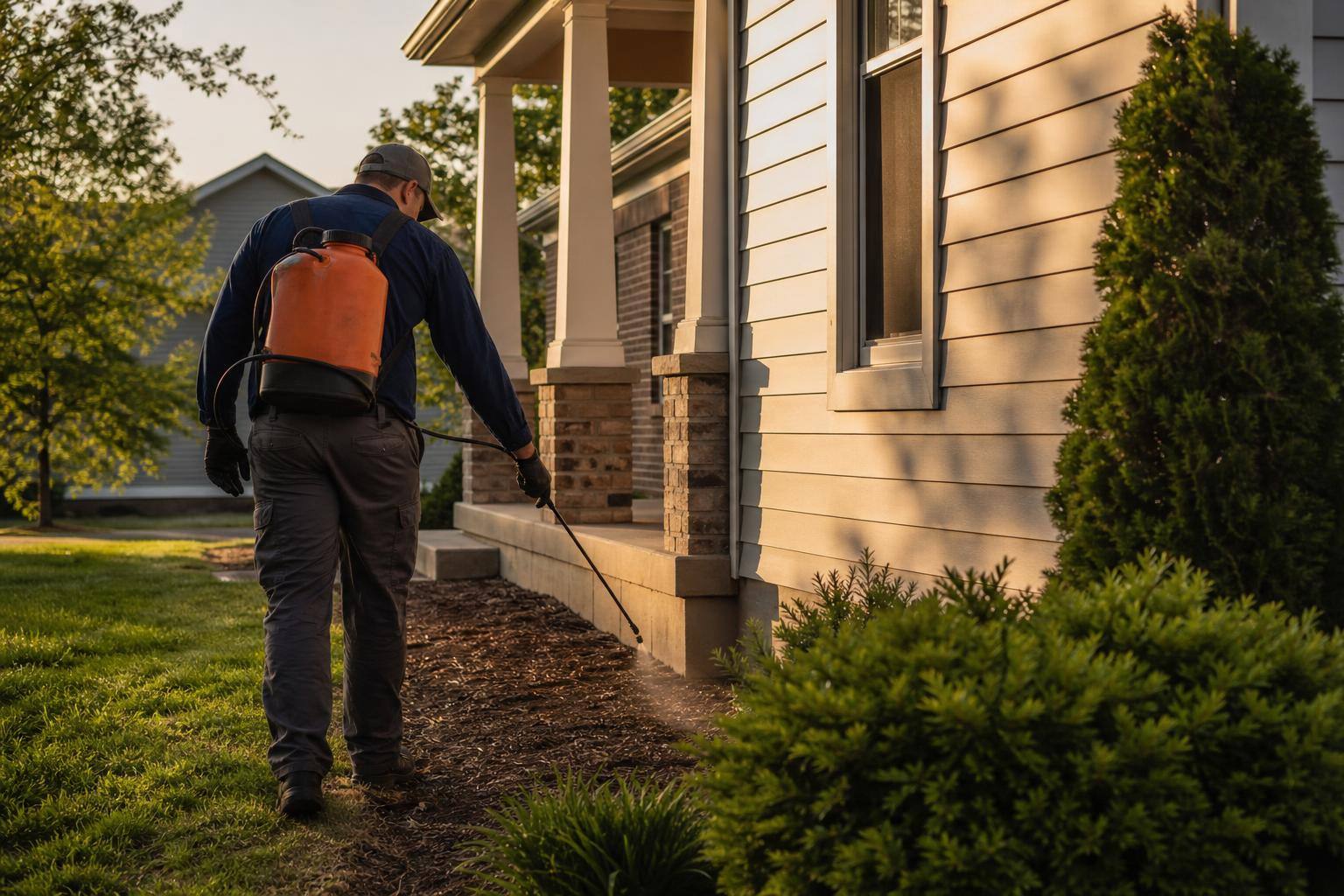
Spider control service · Miami, FL
In Little Havana apartments, Coconut Grove homes, and tight Miami garages, spiders follow humid corners and sheltered concrete edges. One phone call gets the activity matched to the right treatment.
A real person answers · No forms · No waiting on a quote email
Plan
Miami apartments and concrete homes commonly fit a targeted treatment, while widespread activity across interior rooms, exterior walls, and garages may need a whole-home treatment.
Quote
The quote is given on the call and changes with activity, access, treatment areas, materials, and time on site.
Time
The visit time is set on the call around access, occupants, weather, and the work area.
From Brickell condos and Coral Gables homes to Little Havana rentals, Miami Beach properties, and warehouse corridors near the airport, spider work changes with construction and access. Concrete walls, tight service areas, tropical landscaping, and year round humidity all affect where webs form and where treatment can be placed.
Services
Miami
Miami properties often combine concrete construction, narrow side yards, balconies, utility rooms, and dense tropical planting. Spiders can use these sheltered edges even when a home looks sealed. Apartments in Brickell, older homes in Coral Gables, and commercial spaces near Doral each need the activity located before treatment is chosen. The work may cover indoor hiding areas, exterior travel routes, and visible webs.
Miami homes with screened patios, dense planting, and concrete walls may need treatment around living areas, garages, eaves, and service penetrations.
Indoor work in Coral Gables homes and Brickell apartments focuses on hiding areas, utility rooms, closets, and other sheltered spaces.
Miami yards, balconies, fences, and exterior concrete can hold webs near lights, vegetation, doors, and roofline edges.
Web removal in Miami Beach properties and covered parking areas addresses visible webs while the treatment plan considers where spiders return.
Recurring prevention suits Miami properties with continuing humid conditions, landscaped boundaries, repeated web activity, or difficult exterior access.
Miami property managers can arrange treatment for apartments, shared corridors, garages, utility areas, and exterior walls with coordinated access.
Commercial spaces near Miami International Airport, warehouses, and storefronts may need work around loading areas, lights, doors, and service spaces.
A targeted treatment fits many Miami jobs where activity is limited to selected rooms, patios, garages, or exterior walls. Whole-home treatment is better when tropical landscaping, multiple entry points, and repeated webs spread activity across the property.
A technician checks common hiding areas, identifies spider activity, and looks for conditions attracting spiders.
An inspection suits a Miami condo, garage, or home where the activity is unclear. The technician checks hiding areas, identifies spider activity, and looks for conditions attracting spiders.
A targeted treatment addresses visible activity in selected indoor or outdoor areas and may include web removal.
A targeted treatment fits visible webs around a Coral Gables patio, Little Havana apartment, or Miami garage. Selected indoor or outdoor areas are treated, with web removal where appropriate.
A whole-home service treats interior and exterior areas where spiders commonly travel, shelter, or build webs.
A whole-home treatment suits widespread activity across a Miami house, including interior rooms, exterior walls, garages, and sheltered areas near tropical landscaping.
A recurring plan uses scheduled inspections and perimeter treatments to help reduce repeat spider activity.
Recurring prevention fits Miami properties with repeat webs around balconies, screened porches, parking areas, or landscaped borders. Scheduled inspections and perimeter treatments address ongoing activity.
Cost
The exact quote is given on the call after the job is described. Spider treatment cost depends on the type and size of the property, activity level, selected areas, parts and materials, time on site, distance, access, and after-hours work.
A condo, detached home, garage, or commercial building changes the work area, while the amount and location of spider activity affect the treatment plan.
Tight condo corridors, secured buildings, limited parking, balconies, and narrow side yards can change preparation and the time needed on site.
The quote accounts for parts and materials used for the selected treatment, including work needed around entry points or difficult exterior areas.
Heavy rain, hurricane conditions, and after-hours work can affect how the visit is arranged, especially for exposed yards, walls, and commercial properties.
Describe every affected area during the call, including balconies, garages, crawl spaces, and shared corridors. The exact quote can then reflect access, materials, time on site, and the selected treatment instead of leaving charges unclear.
What goes in
This covers spiders or webs in rooms, closets, garages, attics, utility rooms, and other interior areas. In Miami homes, air-conditioning penetrations and concrete utility spaces may need close inspection.
This covers webs around patios, balconies, fences, lights, eaves, and exterior walls. A typical Miami load includes a screened porch or landscaped perimeter with several sheltered edges.
This covers properties where webs return after cleaning or treatment. Miami rentals, landscaped homes, parking areas, and commercial buildings may need recurring prevention rather than isolated web removal.
Not accepted. The service does not cover unrelated pests, structural repairs, electrical work, hazardous materials, or areas that cannot be safely accessed or treated.
Projects
Miami attics can stay warm and humid beneath concrete or tiled roofs. The work checks sheltered areas, access points, and web activity before selecting treatment.
Basements are uncommon in Miami, but below-grade rooms and lower utility spaces still need attention where moisture, storage, and limited airflow shelter spiders.
A Miami garage may have open vehicle access, wall gaps, stored items, and exterior door edges that create sheltered routes for spider activity.
In Coral Gables and Coconut Grove, vegetation, patios, lights, and concrete exterior walls can hold webs. Treatment follows the affected perimeter and access.
Web removal in Miami homes, balconies, and covered parking areas clears visible webs while the technician checks nearby lights, corners, and sheltered return points.
Brickell and Little Havana apartments may involve elevators, shared corridors, balconies, and secured access. The treatment area is arranged around building rules and tenant availability.
Miami commercial buildings near airport, warehouse, and retail corridors may need work around loading doors, lights, service rooms, and exterior walls.
A real person answers by phone. Have the Miami property type, affected areas, access limits, and any recurring activity ready to describe.
Explain where spiders or webs appear, how often they return, and whether the activity reaches rooms, garages, balconies, yards, or shared spaces.
The treatment plan is based on the activity, selected areas, access, materials, time on site, and conditions at the property.
The technician treats the agreed areas and may remove webs. Recurring prevention can be considered when Miami humidity and property conditions support repeat activity.
Weather
Miami heat and humidity support spider activity throughout the year. Heavy rain can move activity toward sheltered walls, garages, patios, and interior edges. Hurricane conditions can affect exposed work areas and access, so the visit is arranged around safe conditions rather than treating during unsafe weather.
Placement
Work may occur in crawl spaces, slabs, garages, utility rooms, attics, balconies, yards, eaves, and exterior walls. Miami condos can limit access through elevators and secured doors, while dense landscaping, narrow side yards, stored items, and parked vehicles can restrict the work area.
Permits
Spider treatment at a private property usually does not involve a local construction permit, but unusual work in a public area, shared access route, or managed property may require approval or inspection. The City of Miami or Miami Dade County can identify the responsible authority, and the call covers who needs to arrange it.
Miami Dade County condominiums, HOAs, and covenant communities may control exterior treatment, balcony access, parking, or service hours. Landlords and property managers may also need to approve entry before a tenant visit is arranged.
Clear access to the affected rooms, crawl spaces, slabs, utility areas, balconies, yards, and shutoffs. Provide parking for the work vehicle where possible, keep pets and people clear, and account for rain, heat, and seasonal storm conditions.
Coverage includes Brickell, Little Havana, Wynwood, Coconut Grove, Coral Gables, Miami Beach, Allapattah, Downtown Miami, and areas along the airport and commercial corridors. Nearby Miami Dade County properties can also be discussed, with access and distance considered when the visit is arranged.
Not sure about your street? Ask on the call and we will tell you which office handles it.
Timing
Spider activity in Miami does not follow a short cold season. Tropical heat, humidity, rainfall, and landscaped properties support activity throughout the year. Webs may become more noticeable after heavy rain or when spiders move toward dry, sheltered edges. Hurricane conditions can change when exposed exterior work is practical.
During periods of heavy rain, spiders may shift toward covered patios, garages, utility rooms, eaves, and interior edges. Miami properties often need the affected indoor and outdoor areas described separately.
Hurricanes and strong weather can limit exterior access, parking, and safe work around balconies, yards, and walls. The visit is set around property access and safe conditions.
Service area
Miami is part of our Miami Dade County coverage, and we also serve the neighboring communities below.
Why us
Miami's tropical heat, heavy rain, and high humidity keep spider conditions active around patios, balconies, garages, utility rooms, and landscaped concrete properties. Treatment has to follow those shelter points instead of assuming the issue is limited to one room.
Getcha Pest Control · Miami
Dense construction in Brickell, Coral Gables, Little Havana, and Miami Beach often means secured entries, shared corridors, tight side access, and limited parking. The job is sized around the actual route to the affected area and the surfaces that can be reached safely.
Click Here to Call (888) 510-9023FAQs
Still have a question about Miami? Call (888) 510-9023 and ask a real person.
The exact quote is given on the call. Cost depends on the property type and size, activity level, selected indoor or outdoor areas, parts and materials, time on site, distance, access, and after-hours work. Describe balconies, garages, shared spaces, and difficult parking so the quote reflects the real Miami job.
A targeted treatment fits selected rooms, patios, garages, or exterior walls, while a whole-home treatment fits activity across several indoor and outdoor areas. An inspection suits unclear activity, and recurring prevention fits repeated webs around Miami homes, apartments, and commercial properties.
The visit time is set on the call after the property, access, activity, and weather conditions are reviewed. Ask about available timing, including after-hours options, and mention secured buildings, tenant access, parking limits, or exposed exterior work.
The treatment covers the agreed indoor or outdoor areas where spiders travel, shelter, or build webs. Depending on the selected service, that may include rooms, garages, attics, balconies, patios, yards, exterior walls, eaves, and visible web removal.
It does not cover unrelated pests, structural repairs, electrical work, hazardous materials, or areas that cannot be safely accessed or treated. In Miami condos and commercial buildings, shared spaces also require the responsible person to arrange access.
Private spider treatment usually does not need a construction permit, but work involving public areas, managed property, or shared access may require approval or inspection. The City of Miami or Miami Dade County can identify the responsible authority, and the call covers who arranges it.
The technician needs a clear route to affected rooms, crawl spaces, slabs, utility areas, balconies, yards, garages, or exterior walls. Miami buildings may require elevator access, gate details, parking arrangements, tenant coordination, and permission for shared areas.
Have the property type, address, affected locations, recent web activity, access restrictions, pets, parking details, and property manager information ready. Mention whether activity is indoors, outdoors, recurring, or connected to heavy rain or landscaping.
Heavy rain can move spiders toward covered areas and can affect exposed exterior work. Tropical weather is active year round, so describe patios, garages, eaves, balconies, and interior edges. Hurricane conditions may require the visit to be arranged around safe access.
Yes, selected balcony edges and concrete walls can be considered as part of an indoor or outdoor treatment. Brickell, Miami Beach, and other dense areas may have secured entries, shared corridors, limited parking, or HOA rules that need to be addressed before the work area is set.
A real person answers · No forms · Every quote given on the phone