Residential ant control
Residential ant control covers kitchens, foundations, crawl spaces, and yards across Williamsburg, with treatment selected around the building and activity pattern.
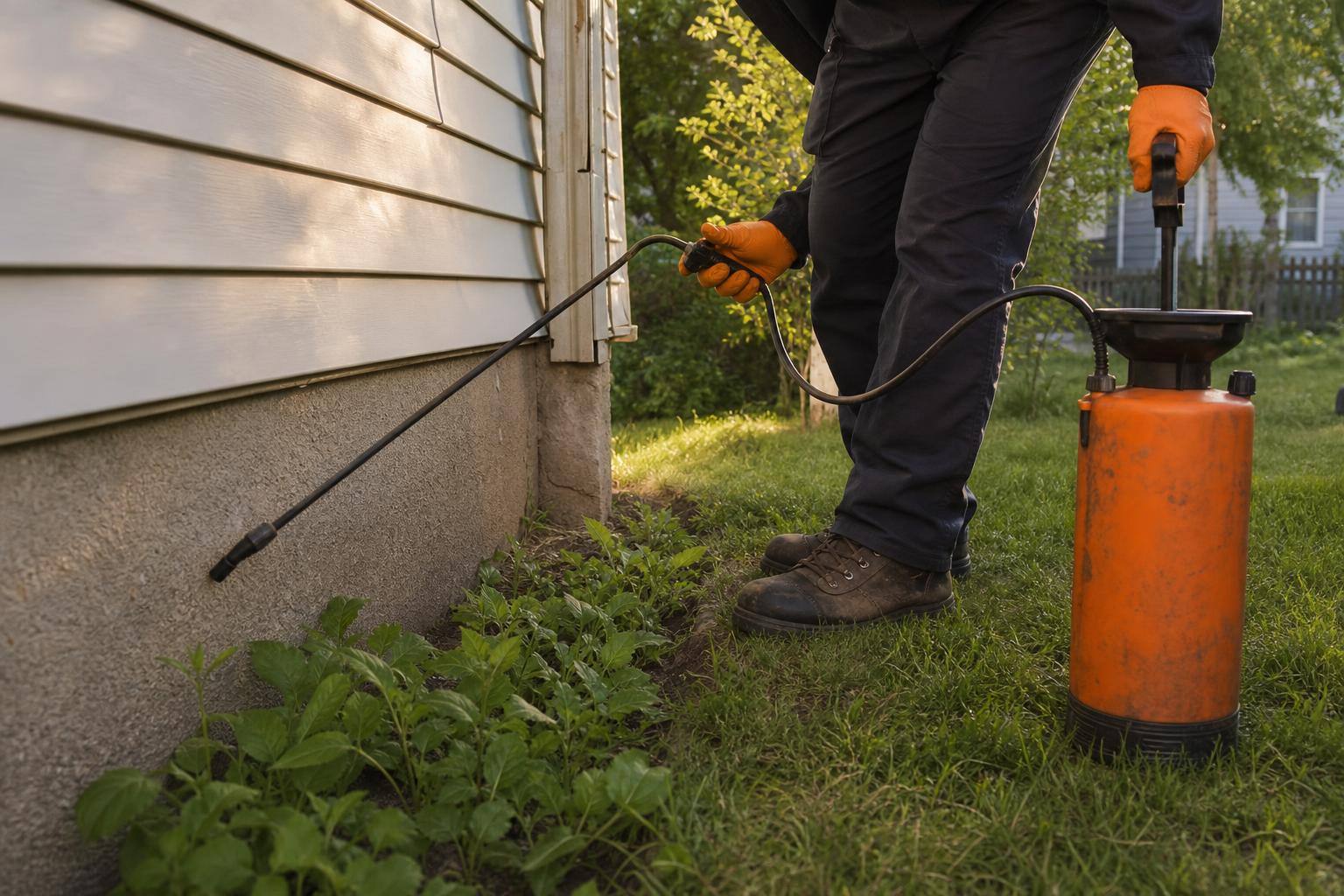
Ant control service · Williamsburg, VA
In Colonial Williamsburg, ants in a historic kitchen need a different look than ants around a newer slab home. One call gets the activity, access limits, and right ant treatment sorted.
A real person answers · No forms · No waiting on a quote email
Plan
Older Colonial properties, crawl-space homes, and newer subdivisions often start with an inspection, then move to targeted treatment when trails and entry points are clear.
Quote
The quote is given on the call, based on activity, property size, access, materials, and the treatment needed.
Time
The visit time is set on the call around property access, occupants, pets, and the work area.
From Colonial Williamsburg and the College of William and Mary area to Kingsmill, Grove, and neighborhoods near Route 199, ant work changes with the building. Historic rooms may limit drilling or product placement, while crawl spaces, slabs, kitchens, and damp yards reveal separate entry routes.
Services
Williamsburg
Williamsburg homes range from preserved Colonial buildings and older frame houses to apartments, newer subdivisions, and large properties near Kingsmill. Humid summers, heavy rain, sandy coastal soil, and mild winters keep ants active for long stretches. Treatment must account for kitchens, crawl spaces, foundations, utility areas, landscaping, and historic building restrictions rather than treating every trail the same way.
Residential ant control covers kitchens, foundations, crawl spaces, and yards across Williamsburg, with treatment selected around the building and activity pattern.
Kitchen ant treatment traces trails to food, moisture, cabinet gaps, plumbing penetrations, and wall openings in Williamsburg homes and apartments.
Carpenter ant treatment looks for damp wood, roof leaks, crawl-space moisture, and protected nesting areas around older Williamsburg properties.
Fire ant control addresses outdoor mounds and activity in sandy soil around Williamsburg yards, walkways, play areas, and landscaped grounds.
Outdoor ant treatment follows foundation edges, patios, mulch, retaining areas, and wet ground near Williamsburg homes after heavy rain.
Commercial ant control fits restaurants, lodging, offices, and visitor properties near Colonial Williamsburg where food areas and historic finishes need careful handling.
Ant prevention service monitors recurring activity around Williamsburg buildings and refreshes preventive treatment where moisture, soil, or access keeps attracting ants.
The most common Williamsburg job starts with an inspection because species, entry points, and nesting conditions vary between historic masonry, crawl-space houses, slabs, and sandy yards. Repeated activity may call for targeted treatment or whole-home control.
A technician identifies ant species, entry points, trails, and nesting conditions.
An inspection fits a first report of ants in a Colonial Williamsburg room, apartment kitchen, crawl space, or yard where the trail and nesting conditions are not yet clear.
Treatment addresses visible activity and accessible nesting or entry areas.
Targeted treatment suits visible trails entering through a kitchen gap, foundation joint, window opening, or accessible outdoor nest at a Williamsburg property.
A coordinated interior and exterior treatment targets recurring activity around the property.
Whole-home control fits recurring activity across rooms, foundations, and exterior areas, especially where rain, crawl-space moisture, or historic construction creates several routes.
Scheduled visits monitor activity and refresh preventive treatments as needed.
A prevention plan suits lodging, commercial, rental, and larger Williamsburg properties that need activity monitored and preventive treatments refreshed through the long season.
Cost
The exact quote is given on the call. Cost depends on the ant species, size of the property, number of treatment areas, activity level, access to crawl spaces or historic finishes, materials required, distance from Williamsburg, and whether the work is after hours.
The building size, number of rooms, visible trails, nest conditions, and whether ants are limited to a kitchen or spread across Williamsburg property affect the work.
Crawl spaces, locked utility rooms, tight historic areas, parking limits, and travel from the Williamsburg service area can change time on site and access planning.
Treatment materials and any needed sealing supplies depend on the species, entry points, moisture conditions, and surfaces that can be treated safely.
After-hours work, recurring activity, exterior conditions, and the need for monitoring or preventive visits can change the service scope and rate.
To avoid surprise charges, describe every active area, access restriction, historic finish concern, and prior treatment when booking. The quote is set from that information before the visit.
What goes in
Indoor activity includes trails around kitchens, bathrooms, utility rooms, and living areas. In Williamsburg, older homes may hide routes behind trim, masonry, or plumbing openings.
Outdoor nests include mounds and colonies near foundations, patios, lawns, and walkways. Sandy Williamsburg soil and heavy rain can shift activity toward structures.
Carpenter ant problems involve activity in or near damp wood, crawl spaces, wall voids, roof areas, and older building materials common around Williamsburg.
Not accepted. The service does not cover unrelated insects, concealed structural repairs, inaccessible areas, or unsafe materials that cannot be handled under the treatment plan.
Projects
Kitchen ant control traces activity around sinks, cabinets, dishwashers, and food storage in Williamsburg homes, apartments, and historic properties.
Foundation ant control follows trails at slabs, sills, windows, and utility penetrations around Williamsburg City properties after rain or soil movement.
Carpenter ant control checks damp wood and concealed routes in older Williamsburg houses, crawl spaces, roof areas, and exterior trim.
Fire ant control addresses outdoor mounds in sandy Williamsburg yards, landscaped areas, paths, and grounds used by residents or visitors.
Yard ant control covers activity near mulch, patios, retaining areas, and foundations across Williamsburg neighborhoods, including Kingsmill and Grove.
Apartment ant control separates unit activity from shared plumbing, wall, and exterior routes, which matters in Williamsburg multi-unit buildings.
Commercial ant control fits lodging, food areas, offices, and visitor properties near Colonial Williamsburg where access and historic finishes affect treatment.
Describe the Williamsburg property, building type, rooms affected, outdoor areas, and any historic finish or access concern.
Share where trails appear, how often they return, whether mounds are present, and what rain or moisture changes.
Review the recommended inspection, targeted treatment, whole-home control, or prevention plan and approve the work before the visit.
Follow preparation guidance, correct moisture where possible, and keep monitoring entry points, kitchens, foundations, and outdoor areas.
Weather
Williamsburg’s humid summers, heavy rain, and mild winters support a long ant activity season. Rain can push colonies toward foundations and kitchens, while warm periods keep outdoor trails active. Hurricanes and storm moisture may also change access, ground conditions, and where nests appear.
Placement
Work may occur in kitchens, utility rooms, crawl spaces, basements, slabs, foundation edges, wall openings, patios, and yards. Historic Williamsburg buildings may limit drilling, finish disturbance, or product placement. Locked rooms, tight crawl spaces, stored belongings, wet ground, and parked vehicles can restrict access.
Permits
Ant treatment at a private Williamsburg property generally does not require a building permit, but structural work, public right-of-way use, or a local inspection can change that. The City of Williamsburg is the place to ask about street or public-area requirements, and the call covers who needs to arrange any required approval.
Williamsburg City homeowners associations, covenants, landlords, and historic property managers may set rules for exterior treatment, access, notices, or visible equipment. Have those requirements ready so the treatment plan fits the property rules.
Clear a path to kitchens, utility rooms, crawl-space entrances, foundations, and active yard areas. Keep pets and people away from treatment areas, provide safe parking for the work vehicle, and mention locked spaces, wet ground, storm damage, or seasonal landscaping before the visit.
Service covers Colonial Williamsburg, downtown, the College of William and Mary area, Kingsmill, Grove, and neighborhoods along Route 199 and the city’s residential corridors. Nearby service discussions can also include Gloucester, Norfolk, Petersburg, Fredericksburg, and Edenton when the route and job details fit.
Not sure about your street? Ask on the call and we will tell you which office handles it.
Timing
Ant activity in Williamsburg can continue through much of the year because winters are mild and summers are humid. Spring rain often makes trails and outdoor nests noticeable, while warm summer conditions increase indoor food and moisture searches. Fall storms and damp soil can redirect activity toward foundations, kitchens, and utility spaces.
Heavy rain can displace outdoor ants toward slabs, siding, and kitchen openings. Humid summer conditions also keep trails active, so the inspection should include both the structure and nearby soil.
Mild Williamsburg winters can leave indoor activity going when colder regions would be quiet. Check heated rooms, plumbing openings, crawl spaces, and stored food areas rather than assuming the problem has ended.
Service area
Williamsburg is part of our Williamsburg City coverage, and we also serve the neighboring communities below.
Why us
Williamsburg properties can combine historic masonry, older wood, crawl spaces, landscaped grounds, and visitor use in one job. Treatment starts by locating trails and entry points without treating protected finishes or occupied rooms blindly.
Getcha Pest Control · Williamsburg
The local mix of humid weather, sandy coastal soil, heavy rain, and mild winters keeps ant routes changing. A foundation check, interior inspection, and outdoor review often show more than a single visible trail.
Click Here to Call (888) 510-9023FAQs
Still have a question about Williamsburg? Call (888) 510-9023 and ask a real person.
Ant control cost in Williamsburg depends on species, property size, activity level, treatment areas, access, materials, distance, and after-hours work. A kitchen trail in a small accessible area differs from recurring activity across a historic property and yard. The exact quote is given on the call after those details are discussed.
An inspection fits an uncertain first report, targeted treatment fits a clear localized trail, whole-home control fits activity across rooms and exterior areas, and a prevention plan fits recurring or commercial activity. Historic construction, crawl spaces, slabs, and outdoor conditions in Williamsburg help determine the right tier.
The visit time is set on the call after the property, access, occupants, pets, and work area are reviewed. Ask about same-day or next-day availability if the activity is urgent, but timing depends on the schedule and job requirements.
Ant treatment can cover identified indoor trails, accessible nesting or entry areas, foundations, yards, and coordinated interior and exterior areas according to the selected service. The inspection identifies species, trails, entry points, and nesting conditions before the treatment scope is chosen.
Ant control does not cover unrelated insects, concealed structural repairs, inaccessible spaces, or unsafe materials that cannot be treated. Moisture correction, damaged wood replacement, roof repairs, and other building work may need a separate trade.
Routine private-property ant treatment generally does not need a building permit, but structural work, public right-of-way use, or a local inspection can change that. The City of Williamsburg can answer local approval questions, and the call covers who arranges any required approval.
Clear access to kitchens, utility rooms, crawl-space entrances, foundations, and active yard areas. Secure food and pet dishes, keep people and pets clear, unlock needed rooms, and have prior treatment details ready when calling.
Treatment can be planned around accessible areas, but locked rooms, tight crawl spaces, stored belongings, wet ground, historic finishes, and shared building spaces may limit the work. Explain those restrictions on the call so the recommendation reflects the actual property.
Yes, humid summers, heavy rain, mild winters, and storm moisture can keep ants active or move colonies toward buildings. Outdoor nests may shift after rain, while warm indoor areas can continue showing trails during mild winter conditions.
Colonial Williamsburg properties require attention to historic finishes, occupied visitor areas, food spaces, and restricted drilling or product placement. The inspection looks for accessible routes and nesting conditions while shaping treatment around the building’s preservation and access limits.
A real person answers · No forms · Every quote given on the phone