Residential ant control
Norfolk City homes can need interior trail treatment, foundation work, or exterior nesting control when humidity keeps activity near the structure.
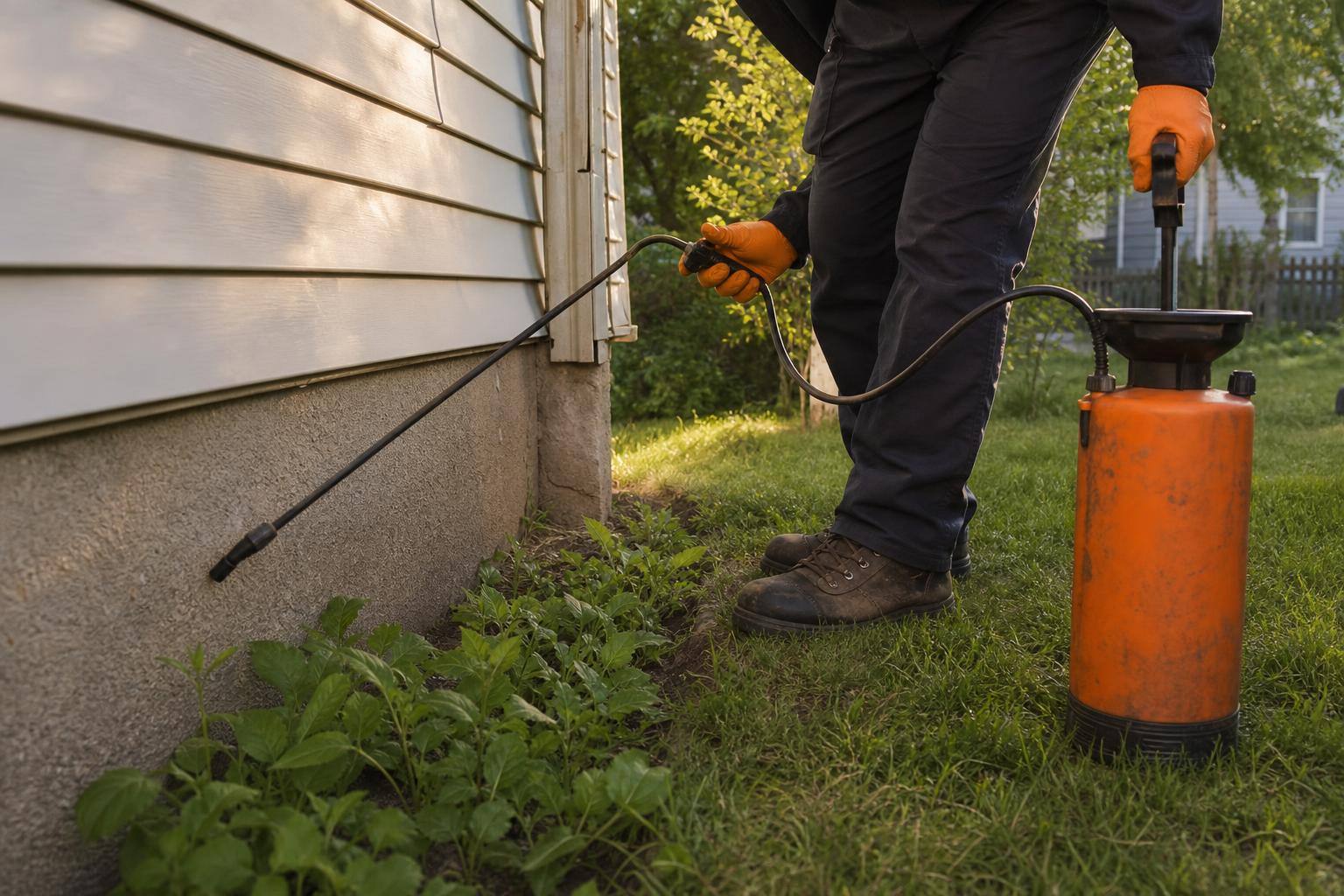
Ant control service · Norfolk, VA
A kitchen ant trail in Ghent or a crawl space problem in Ocean View needs more than surface spray. One call gets the right ant treatment sorted for the property.
A real person answers · No forms · No waiting on a quote email
Plan
Flood exposed Tidewater homes often need targeted treatment, while recurring activity in older Ghent or Colonial Heights houses may fit whole-home control.
Quote
The exact quote is given on the call, based on ant type, property size, access, materials, time on site, and treatment areas.
Time
The visit time is set on the call around access, occupants, weather, and the condition of the Norfolk property.
Norfolk ant work changes by setting. Ghent kitchens, Ocean View crawl spaces, Larchmont foundations, and East Beach yards each create different routes into a home. Humid coastal heat, sandy soil, tidal flooding, and mild winters can keep activity going, so the inspection looks for trails, entry points, moisture, and nesting conditions before treatment is chosen.
Services
Norfolk
Norfolk homes often sit near damp ground, sandy soil, or tidal flood exposure, and older housing can give ants several routes through foundations, utility rooms, and crawl spaces. Kitchens near plumbing need a different approach from yards or commercial buildings. The work starts by identifying the species and tracing activity instead of treating every surface the same way.
Norfolk City homes can need interior trail treatment, foundation work, or exterior nesting control when humidity keeps activity near the structure.
Kitchen treatment follows trails around sinks, cabinets, plumbing penetrations, and wall gaps common in Norfolk homes with older utility layouts.
Carpenter ant work checks damp wood, crawl spaces, roof edges, and shaded exterior areas in Norfolk neighborhoods such as Ghent.
Fire ant control addresses outdoor mounds in Norfolk yards, sandy soil, landscape edges, and areas warmed by coastal sun.
Outdoor treatment follows nests and travel routes around Ocean View yards, foundations, patios, fences, and other entry points.
Norfolk restaurants, offices, and service buildings need treatment planned around kitchens, deliveries, staff access, storage, and public areas.
A prevention plan monitors recurring activity around Norfolk properties and refreshes treatment where moisture, soil, or building gaps keep attracting ants.
The most common Norfolk job starts with an inspection or targeted treatment for activity around kitchens, slabs, foundations, and crawl spaces. Whole home control fits recurring trails or multiple entry points, while prevention suits properties that keep seeing activity through changing coastal conditions.
A technician identifies ant species, entry points, trails, and nesting conditions.
An inspection fits a new trail in a Ghent kitchen, an unexplained line near a Norfolk City slab, or activity after tidal water reaches a crawl space.
Treatment addresses visible activity and accessible nesting or entry areas.
Targeted treatment suits visible ants entering around a sink, foundation gap, window, or yard edge when activity is localized and accessible.
A coordinated interior and exterior treatment targets recurring activity around the property.
Whole home control fits recurring activity across rooms, foundations, and exterior areas, including older Norfolk houses with several possible entry routes.
Scheduled visits monitor activity and refresh preventive treatments as needed.
A prevention plan fits properties that repeatedly see ants through humid summers or mild winters, especially homes near damp ground and landscaped yards.
Cost
The exact quote is given on the call after the work area and activity are discussed. Cost depends on the ant species, size and type of property, number of treatment areas, parts and materials, access, time on site, distance, and after hours work.
Carpenter ants, fire ants, and small kitchen ants require different treatment decisions, based on trails, nesting conditions, moisture, and how widely activity has spread.
A Norfolk house, apartment, or commercial site prices differently when crawl spaces, slabs, basements, yards, shared walls, or restricted parking affect access.
Parts and materials can vary with the treatment location, entry conditions, nesting areas, and whether interior, exterior, or coordinated work is needed.
Distance from the Norfolk service area, difficult access, occupied spaces, weather exposure, and after hours work can change the work required and the quote.
Describe every active area before the visit, including trails, mounds, moisture, pets, and past treatment. The quote is discussed on the call so the work and expected charges are clear before scheduling.
What goes in
This includes trails in kitchens, bathrooms, utility rooms, basements, and living spaces. A Norfolk kitchen with ants near a sink should be described with the exact room and entry point.
This covers mounds and trails in lawns, beds, patios, and foundation edges. Sandy Norfolk yards can hide nests near roots, mulch, pavers, and shaded drainage areas.
This includes activity linked with damp or damaged wood, crawl spaces, roof edges, and wall voids. Norfolk flood exposure can make moisture checks especially relevant.
Not accepted. Treatment does not cover unrelated pests, unsafe access, concealed structural repairs, or materials and areas that cannot be safely reached or identified.
Projects
Norfolk kitchen treatment follows trails around sinks, cabinets, dishwashers, and plumbing openings, with attention to moisture and hidden wall routes.
Foundation work in Norfolk City checks slab edges, crawl space vents, utility penetrations, mulch, and sandy soil beside the structure.
Carpenter ant work in Ghent and older Norfolk homes focuses on damp wood, roof edges, wall voids, and crawl spaces.
Fire ant treatment addresses outdoor mounds in Norfolk yards, landscape borders, sunny soil, and areas where people or pets pass.
Ocean View and East Beach yards can need focused treatment around fences, patios, beds, foundations, and sandy nesting areas.
Norfolk apartment work considers shared walls, plumbing chases, neighboring units, tenant access, and whether activity is limited to one room.
Commercial ant control in Norfolk plans around kitchens, storage, staff areas, deliveries, public access, and treatment zones that must stay clear.
Describe the property, neighborhood, rooms, exterior areas, and visible activity so the right inspection or treatment can be discussed.
Share ant size and appearance, trail locations, nesting signs, moisture, flooding exposure, and any previous treatment.
Review the recommended tier, work areas, access needs, materials, and exact quote before approving the ant treatment.
Follow preparation guidance, correct accessible moisture issues, and discuss prevention when activity returns across seasons.
Weather
Norfolk’s humid coastal heat can increase ant movement, while mild winters allow activity to continue longer than expected. Tidal flooding and hurricanes can shift moisture and nesting conditions around foundations, crawl spaces, and yards. Rain, saturated soil, and wind can affect exterior treatment placement, so conditions are reviewed when the visit is set.
Placement
Work may occur in kitchens, utility rooms, basements, crawl spaces, slabs, foundations, wall edges, yards, patios, and landscape beds. Tidal water, tight crawl space openings, stored belongings, shared apartment areas, locked gates, pets, and standing water can limit access or change the treatment plan.
Permits
Routine ant treatment on private property usually does not require a street permit, but street placement, blocked sidewalks, or unusual work areas may involve the City of Norfolk. The call covers whether local approval or an inspection applies and who is responsible for arranging it.
Norfolk City homeowners associations, covenants, and landlords may set rules for exterior treatment, yard access, parking, notices, or shared areas. Check those requirements before scheduling work around attached homes or managed properties.
Clear access to the active room, foundation, crawl space entrance, yard, and relevant shutoffs. Provide legal parking for the work vehicle, keep people and pets away, unlock gates, and account for rain, saturated soil, tidal water, or hurricane conditions.
Service covers Norfolk neighborhoods and settings including Ghent, Larchmont, Ocean View, East Beach, Colonial Heights, downtown areas, military connected housing, apartments, and commercial corridors across Norfolk City. Nearby service links include Williamsburg, Gloucester, Edenton, Petersburg, and Pittsville.
Not sure about your street? Ask on the call and we will tell you which office handles it.
Timing
Ant activity in Norfolk can persist through humid coastal heat and mild winters, with spring and summer bringing more visible trails and outdoor nesting. Rain, tidal flooding, and hurricane conditions can push activity toward foundations, utility rooms, kitchens, and higher ground. Scheduling should account for access and safe exterior conditions.
Spring and summer heat can increase trails through kitchens, foundations, patios, and yards. Norfolk properties near damp soil may show activity in several places, making an inspection more useful than treating one visible line.
Heavy rain, tidal flooding, and hurricanes can alter nests and drive ants toward slabs, crawl spaces, and utility rooms. Exterior work may need different placement when soil is saturated or access is obstructed.
Service area
Norfolk is part of our Norfolk City coverage, and we also serve the neighboring communities below.
Why us
Norfolk’s Tidewater housing puts ant activity close to crawl spaces, slabs, utility penetrations, and flood exposed foundations. Treatment has to account for sandy soil, moisture movement, and the difference between a kitchen trail and an exterior nest.
Getcha Pest Control · Norfolk
A home in Ghent, a yard in Ocean View, and a commercial property near Norfolk’s working waterfront do not present the same access or nesting conditions. The inspection connects visible ants with the building and ground conditions around them.
Click Here to Call (888) 510-9023FAQs
Still have a question about Norfolk? Call (888) 510-9023 and ask a real person.
The exact quote is given on the call. Cost depends on ant species, property size and type, treatment areas, parts and materials, access, time on site, distance, and after hours work. Mention flooding, crawl spaces, shared walls, or previous treatment so the work can be scoped accurately.
An inspection fits new or unclear activity, targeted treatment fits a defined trail or nest, whole home control fits recurring activity in several areas, and a prevention plan fits repeated seasonal problems. The property layout and ant routes determine the recommendation.
The visit time is set on the call because access, weather, occupancy, and the work area affect scheduling. You can ask about current availability, including same day or next day options, without assuming a particular arrival time.
Ant treatment can cover identified indoor activity, outdoor nests, carpenter ant problems, entry points, trails, and accessible nesting areas. The selected tier determines whether the work stays focused or coordinates interior and exterior areas across the property.
It does not cover unrelated pests, unsafe or inaccessible areas, concealed structural repairs, or materials and locations that cannot be safely identified. Flood water, locked spaces, shared areas, and stored belongings can also limit the work.
Routine treatment on private property usually does not need a permit, but street placement, blocked sidewalks, or unusual work areas may involve the City of Norfolk. The call covers whether approval or inspection applies and who arranges it.
Clear access to trails, cabinets, utility rooms, crawl space openings, foundations, yards, and shutoffs. Secure pets and children, unlock gates, provide parking, and share any landlord, HOA, flood, or previous treatment restrictions.
Have the property address, rooms or outdoor areas affected, ant appearance, trail locations, photos if available, moisture or flooding details, past treatments, pets, access limits, and preferred visit information ready.
Yes. Humid heat, mild winters, rain, tidal flooding, and hurricane conditions can change ant movement, nesting, and safe exterior access. Saturated soil or standing water may change where treatment is placed and how the visit is scheduled.
Flooding and wet soil can disturb outdoor nesting conditions and push ants toward slabs, crawl spaces, utility rooms, and kitchens. The inspection checks moisture, entry points, trails, and accessible nesting areas rather than treating only the ants currently visible.
A real person answers · No forms · Every quote given on the phone