Residential spider control
Residential service covers Norfolk homes, from Ghent porches to Larchmont crawl spaces, with treatment matched to indoor and exterior activity.
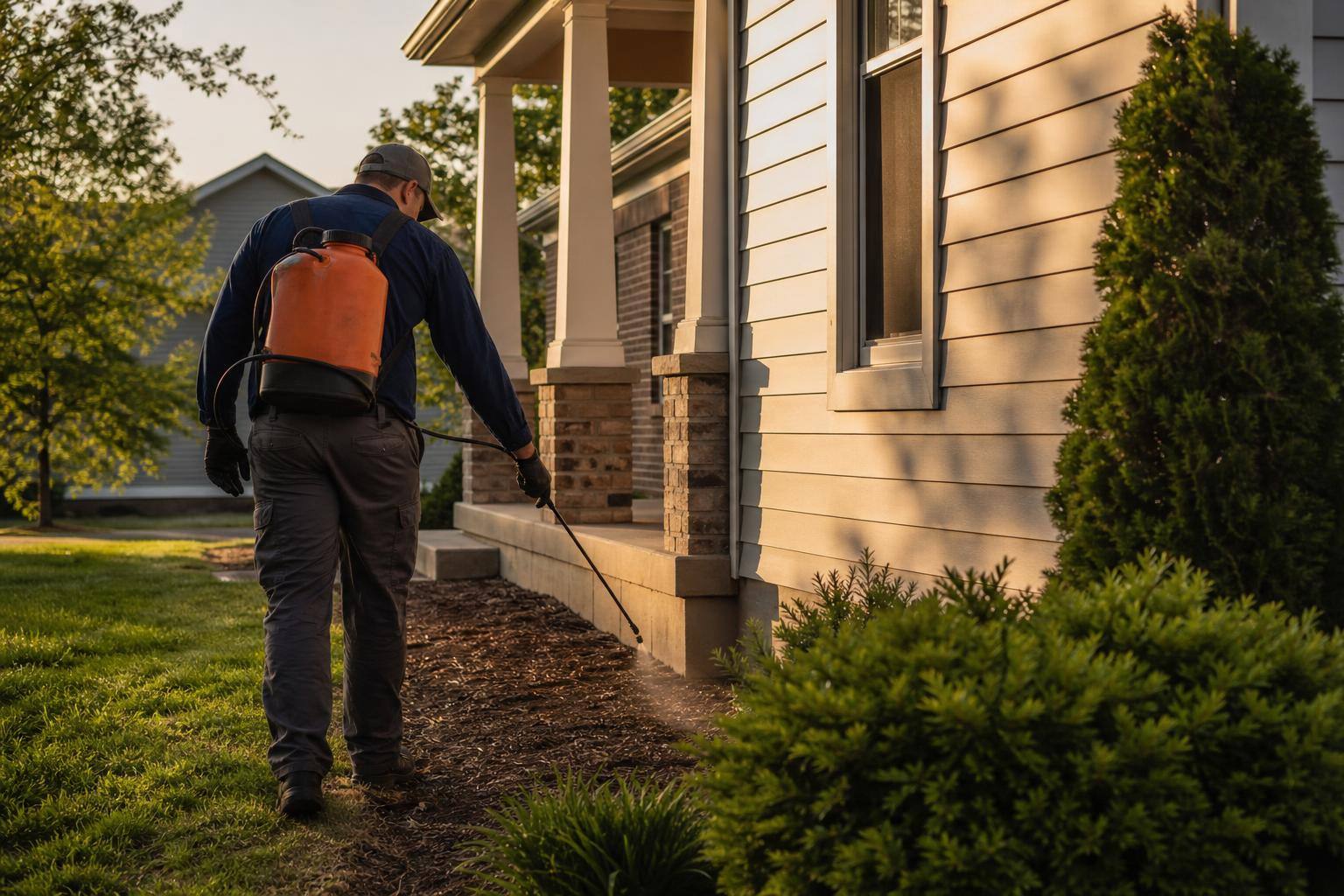
Spider control service · Norfolk, VA
In Ghent, spiders often build webs around shaded porches and damp crawl-space vents after coastal weather. One phone call gets the activity sorted into the right spider treatment.
A real person answers · No forms · No waiting on a quote email
Plan
Older Ghent homes, Ocean View houses, and compact rental properties usually start with an inspection or targeted treatment, depending on where webs and spiders are active.
Quote
The quote is given on the call, based on treatment size, access, activity, materials, distance, and any after-hours work.
Time
The visit time is set on the call around access, household needs, weather, and the condition of the property.
Norfolk spider work changes from Ghent porches to Ocean View garages, Larchmont crawl spaces, and Downtown apartment corridors. Low elevation, humid coastal heat, tidal flooding, and shallow wet soils can push spiders toward dry wall voids, utility rooms, attics, and covered exterior edges.
Services
Norfolk
Norfolk housing puts spider activity in several different places. Ghent and Larchmont homes may have crawl spaces and older exterior openings, while Ocean View properties face damp yards, wind-driven moisture, and salt-air exposure. Apartment buildings, naval-area rentals, garages, and commercial spaces each need the work area checked before treatment is selected.
Residential service covers Norfolk homes, from Ghent porches to Larchmont crawl spaces, with treatment matched to indoor and exterior activity.
Indoor treatment focuses on attics, basements, utility rooms, and garages where Norfolk humidity and sheltered corners support spider activity.
Outdoor treatment addresses webs around Ocean View entries, shaded patios, foundation edges, and other Norfolk exterior areas.
Web removal clears visible webs from Norfolk eaves, porches, garage doors, and sheltered commercial entrances before selected treatment.
Recurring prevention uses scheduled inspections and perimeter treatments for Norfolk properties that repeatedly see webs after humid weather.
Property managers can coordinate treatment across Norfolk apartments, student rentals, and naval-area housing with attention to shared access.
Commercial service handles Norfolk storefronts, offices, warehouses, and service buildings where loading areas, entrances, and lighting attract spiders.
The most common Norfolk jobs fit an inspection or targeted treatment. A whole-home treatment makes more sense when activity crosses rooms and exterior walls, while recurring prevention suits properties that keep developing webs through humid coastal seasons.
A technician checks common hiding areas, identifies spider activity, and looks for conditions attracting spiders.
A technician checks hiding areas, identifies activity, and looks for attracting conditions. This fits a Norfolk homeowner unsure whether webs are limited to a porch or extend into the crawl space.
A targeted treatment addresses visible activity in selected indoor or outdoor areas and may include web removal.
A targeted treatment addresses visible activity in selected indoor or outdoor areas and may include web removal. It suits a Norfolk garage, attic, porch, or utility room with activity in one zone.
A whole-home service treats interior and exterior areas where spiders commonly travel, shelter, or build webs.
This service treats interior and exterior areas where spiders travel, shelter, or build webs. It fits larger Norfolk homes with activity across rooms, foundation edges, and covered entries.
A recurring plan uses scheduled inspections and perimeter treatments to help reduce repeat spider activity.
Scheduled inspections and perimeter treatments help reduce repeat activity. This can fit Norfolk properties near damp yards, tidal areas, or older exterior openings that see recurring webs.
Cost
The exact quote is given on the call after the work area is described. Cost depends on the type and size of treatment, spider activity, parts or materials, time on site, access, distance from the Norfolk service area, and after-hours work.
The number of rooms, exterior elevations, crawl-space edges, and web locations changes the work required at a Norfolk property.
Low crawl spaces, wet soil, basements, narrow side yards, stairs, and tidal-area access can change time on site and distance handling.
Materials used for the selected treatment, web removal, perimeter work, and any needed service supplies affect the quote.
Widespread activity takes different work from one porch, while after-hours service and difficult Norfolk access can also affect cost.
The quote is discussed before the treatment plan is approved. Describe every active area, access restriction, and recurring concern so the work and expected charges are clear before the visit.
What goes in
This covers spiders or webs in attics, basements, garages, utility rooms, and living areas, including the indoor corners common in Norfolk City homes.
This covers webs around porches, eaves, doors, fences, and exterior lights, including a typical Norfolk load of webs along a damp Ocean View entry.
This covers properties that repeatedly see spider activity after cleaning or isolated treatment, including Norfolk rentals and homes near wet yards.
Not accepted. The service does not cover unrelated wildlife, structural repairs, unsafe areas, inaccessible spaces, or materials and conditions outside the approved spider treatment.
Projects
Attic treatment checks roofline gaps, stored items, insulation edges, and vents in Norfolk homes where warm sheltered spaces support web building.
Basement work addresses corners, utility penetrations, and damp edges, especially in lower Norfolk properties affected by wet soil and tidal conditions.
Garage treatment covers door edges, shelving, lights, and adjoining walls in Ghent, Ocean View, and other Norfolk neighborhoods.
Exterior service treats eaves, porches, foundation lines, and doors around Norfolk City homes exposed to coastal humidity and storm moisture.
Web removal clears visible buildup from Norfolk porches, commercial entries, fences, and lighting before the selected spider treatment.
Apartment service focuses on the affected unit, balcony, hallway edge, or utility area while coordinating access in Norfolk rental buildings.
Commercial treatment covers entrances, loading areas, lights, storage spaces, and exterior walls at Norfolk offices, shops, and industrial buildings.
A real person answers by phone. Have the Norfolk address, property type, and main activity area ready for the discussion.
Explain where spiders or webs appear, how often they return, and whether rain, humidity, flooding, or construction changed the pattern.
The treatment type, work areas, access needs, and exact quote are reviewed before you approve the plan.
The technician treats the selected areas, removes webs where applicable, and explains practical steps for reducing repeat activity.
Weather
Norfolk's humid coastal heat can increase activity around shaded walls, lights, porches, and crawl-space vents. Hurricanes, heavy rain, tidal flooding, and shallow wet soils can limit exterior access or shift spiders toward dry indoor edges, so weather and ground conditions are reviewed when setting the visit.
Placement
Work may occur in crawl spaces, on slabs, in basements, utility rooms, garages, attics, yards, porches, and foundation edges. Tidal water, shallow wet soil, narrow side yards, locked gates, stairs, and shared building access can limit where equipment and people can safely move.
Permits
Spider treatment on private property generally does not require a local permit, but street placement, blocked sidewalks, or unusual public access can involve the City of Norfolk. The call covers what needs checking and who should arrange any required approval or inspection.
Norfolk City condominiums, planned communities, and rental properties may have rules about exterior treatment, shared spaces, notices, or service vehicles. Check the HOA, covenant, or landlord instructions before the visit.
Clear access to the active area, utility shutoffs, crawl-space doors, basements, and exterior walls. Provide workable parking for the vehicle, keep people and pets clear, and account for wet ground, flooding, storms, and seasonal heat.
Service covers Norfolk City neighborhoods and corridors including Ghent, Larchmont, Ocean View, Downtown Norfolk, and areas around the naval installations. Nearby service discussions may also include Williamsburg, Gloucester, Edenton, Petersburg, and Pittsville when the address is confirmed.
Not sure about your street? Ask on the call and we will tell you which office handles it.
Timing
Spider activity in Norfolk often becomes more noticeable during humid warm weather, when insects gather near lights and sheltered exterior areas. Rain, tidal flooding, and storm conditions can move activity toward dry interiors. Fall can bring spiders into garages, attics, and utility spaces, while winter inspections may focus on sheltered indoor locations.
Warm coastal air can increase webs around Norfolk porches, eaves, lights, and doors. Wet soil and storm forecasts may change exterior access, so the active areas and ground conditions need to be described.
As outdoor conditions change, spiders may appear in Norfolk garages, attics, basements, and utility rooms. A targeted treatment may fit one area, while repeated activity can point toward recurring prevention.
Service area
Norfolk is part of our Norfolk City coverage, and we also serve the neighboring communities below.
Why us
Norfolk's low elevation and tidal exposure make exterior conditions less predictable than in an inland city. Wet soil, storm runoff, and shaded foundation edges can change where spiders shelter and whether a perimeter treatment is practical.
Getcha Pest Control · Norfolk
Dense naval housing, apartment buildings, older neighborhood homes, and commercial corridors put different demands on access and scheduling. The treatment needs to account for shared entries, tenants, garages, crawl spaces, and active street-side areas.
Click Here to Call (888) 510-9023FAQs
Still have a question about Norfolk? Call (888) 510-9023 and ask a real person.
The exact quote is given on the call. Cost depends on the treatment size, activity, materials, time on site, access, distance, and after-hours work. Describe every indoor and exterior area, especially crawl spaces or wet side yards, so the quote reflects the Norfolk property.
An inspection fits uncertain or limited activity, while a targeted treatment suits one attic, garage, porch, or room. Whole-home treatment fits activity across several areas, and recurring prevention suits repeat webs. The property layout and activity pattern determine the recommendation.
The visit time is set by phone after the address, activity, access, and weather are reviewed. Ask about available timing, including same-day or next-day possibilities, but arrival is not promised until the visit is arranged.
The approved service can cover selected indoor or exterior areas where spiders travel, shelter, or build webs, with web removal where applicable. The work area is chosen from the activity described and the treatment plan approved on the call.
It does not cover unrelated wildlife, structural repairs, unsafe or inaccessible spaces, or conditions outside the approved spider treatment. Tell the technician about damaged crawl-space access, flooding, locked areas, and other limits before work begins.
Private-property spider treatment generally does not need a permit, but street placement, blocked sidewalks, or unusual public access may involve the City of Norfolk. The call covers what needs checking and who arranges any required approval or inspection.
Clear access to the active rooms, crawl-space doors, basements, utility areas, porches, and exterior walls. Secure pets and people away from the work area, provide parking access, and mention gates, stairs, wet soil, or shared building rules.
Have the property address, building type, activity locations, web frequency, recent weather changes, and access restrictions ready. Also mention tenants, pets, landlord instructions, flooding, or storm damage that could affect the treatment area.
Yes, humid heat can increase exterior activity, while hurricanes, heavy rain, tidal flooding, and shallow wet soils can limit access or shift spiders indoors. Weather and ground conditions are reviewed when setting the visit and selecting exterior work.
Yes, the service can be discussed for naval-area homes and rentals, subject to property access and management rules. Shared entries, tenant coordination, parking limits, and any base or landlord requirements should be explained during the phone booking.
A real person answers · No forms · Every quote given on the phone