Home flea treatment
Treatment for Norfolk houses considers bedrooms, flooring, pet resting areas, crawl spaces, and shaded exterior locations that may hold flea activity.
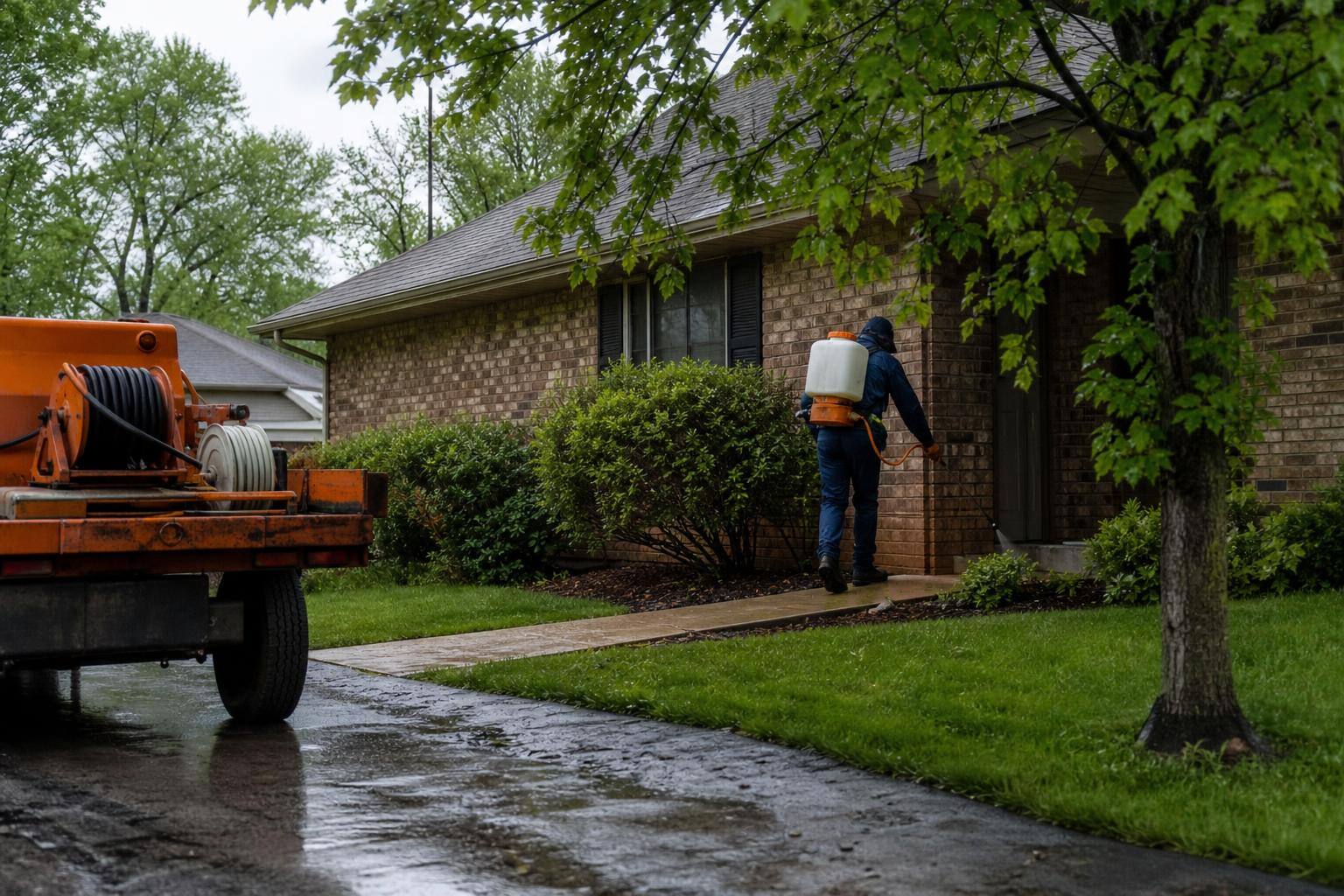
Flea treatment service · Norfolk, VA
A flea problem in Ghent can spread from a pet bed into flooring and shaded porches. One phone conversation sorts out the inspection or treatment that fits your Norfolk home.
A real person answers · No forms · No waiting on a quote email
Plan
Norfolk apartments, older Ghent homes, and Ocean View properties often need an inspection first, with a single-room or whole-home treatment chosen after the findings.
Quote
The quote is given on the call, based on treatment size, preparation, access, materials, distance, and any after-hours work.
Time
The visit time is set on the call around household access, pet arrangements, weather, and the treatment area.
From Ghent and Freemason District row homes to Ocean View houses and Larchmont apartments, flea work changes with flooring, pet resting areas, crawl spaces, and yard shade. Norfolk City’s low ground and tidal flooding can keep exterior soil and porch areas damp, so the inspection includes indoor and outdoor conditions that support activity.
Services
Norfolk
Norfolk homes range from attached row houses and apartment buildings to detached properties near the water. That mix affects how fleas move through carpet, floor gaps, pet bedding, crawl spaces, porches, and shaded yards. In naval neighborhoods with frequent moves, a vacant unit may need an inspection before occupancy, while an occupied home may need treatment planned around pets and household access.
Treatment for Norfolk houses considers bedrooms, flooring, pet resting areas, crawl spaces, and shaded exterior locations that may hold flea activity.
Apartments in Ghent, Downtown Norfolk, and Ocean View need careful room-by-room inspection where shared walls, corridors, and pet areas affect access.
A bedroom treatment targets flooring, furniture edges, bedding areas, and pet harborages without assuming activity is limited to the visible room.
Pet areas around Larchmont homes and Norfolk apartments are checked for bedding, floor edges, porches, and shaded spots where fleas can persist.
Norfolk yards, shaded porch edges, and damp areas near tidal ground receive attention when outdoor conditions support flea activity.
A move-in inspection helps check vacant apartments, naval housing, and older Norfolk homes before furniture and pets occupy the rooms.
Commercial flea service in Norfolk addresses affected rooms and work areas while considering staff access, customers, pets, and building operations.
The inspection is the usual starting point for Norfolk jobs because activity may involve pet bedding, floor transitions, crawl spaces, or shaded yards. Single-room treatment fits a contained bedroom, while whole-home treatment is more suitable when activity follows pets through the house.
A pest professional checks indoor rooms, pet resting areas, flooring, and outdoor locations for flea activity.
This fits a Norfolk move-in, a first report from an apartment, or a home where bites are reported but the source is unclear. Indoor rooms, pet areas, flooring, and outdoor locations are checked.
Treatment targets one affected room and its common flea harborages after the area is prepared.
A bedroom or nursery-sized affected area in Ghent or Larchmont may fit this treatment after preparation. The work targets that room and its common flea harborages.
The service treats affected indoor areas throughout the home based on inspection findings and preparation needs.
This suits a Norfolk house or apartment where pets move between rooms, activity appears in several areas, or inspection findings show treatment needs beyond one room.
Indoor and outdoor treatment addresses pet areas, shaded harborages, and other locations supporting flea activity.
Ocean View and other low, damp Norfolk properties may need indoor and outdoor attention when shaded yards, pet areas, porches, and wet soil support continued flea activity.
Cost
The exact quote is given on the call after the job is described. Cost depends on the type and size of treatment, rooms and outdoor areas involved, preparation, parts or materials, time on site, access, distance within the Norfolk setting, and after-hours work.
A bedroom, apartment, whole home, or home and yard treatment requires different preparation and time, especially where Norfolk pet areas connect several rooms.
Tight parking, stairs, crawl-space limits, waterfront streets, and travel across Norfolk City can change time on site and access planning.
Materials used for the flea treatment depend on inspection findings, surface conditions, pet areas, and whether indoor or outdoor locations require attention.
Furniture, bedding, pet items, occupied rooms, and yard access affect the work area and the time needed to complete treatment properly.
To avoid surprise charges, describe every affected room, pet area, yard, access restriction, and after-hours need during the call. The exact quote is provided before the visit is set.
What goes in
This covers activity found in bedrooms, living areas, flooring, and other indoor spaces. A typical Norfolk load may include an older Ghent row home with several floor transitions.
This covers pet bedding, resting areas, porches, and nearby flooring where fleas gather. Norfolk apartment pets may carry activity between a unit, hallway, and shared outdoor area.
This covers outdoor harborages linked to the home, including shaded soil, porch edges, and pet areas. Damp low ground near Norfolk tidal zones can affect the treatment plan.
Not accepted. The service does not cover unrelated pests, unsafe areas, inaccessible rooms, or treatment of people, pets, food, personal belongings, or materials outside the agreed flea work.
Projects
Bedroom treatment in Ghent, Larchmont, or Ocean View targets flooring, furniture edges, bedding areas, and other harborages found during the inspection.
Norfolk apartment work accounts for shared access, narrow corridors, pet routines, and whether activity is limited to one unit or several rooms.
A whole-home job suits Norfolk houses where pets move between bedrooms, living areas, stairs, and utility spaces.
Pet-area treatment examines bedding, porches, entry flooring, and shaded resting locations around Norfolk City homes and apartments.
Yard work in Ocean View and other low Norfolk areas considers shade, damp soil, porch edges, and the places pets actually use.
A Norfolk move-in inspection can check vacant rooms, flooring, closets, and pet-related harborages before household goods enter an apartment or house.
Commercial service covers affected work areas in Norfolk buildings while planning around staff, customers, pets, operating rooms, and building access.
Provide the Norfolk address, property type, affected rooms, pet details, and whether activity is indoors, outdoors, or both.
Explain flooring, bedding, crawl spaces, porches, yard shade, flooding exposure, vacant rooms, and where people or pets spend time.
Follow the preparation directions for rooms, floors, pet items, furniture, utility spaces, and outdoor areas before the scheduled visit.
The professional treats areas selected from inspection findings, then explains practical steps for reducing harborages and supporting the treatment plan.
Weather
Norfolk’s humid coastal heat can support flea activity around pet areas and shaded soil. Hurricanes, tidal flooding, rain, and wind can make exterior work unsuitable or change where outdoor activity is assessed. The visit plan is set around current conditions rather than assuming a dry yard.
Placement
Work may involve bedrooms, flooring, crawl spaces, slabs, basements, utility rooms, porches, and yards. Norfolk’s shallow wet soils and low elevation can limit exterior access, while tight row-house lots, parked cars, stairs, locked rooms, and standing water can restrict movement.
Permits
A routine flea treatment at a private Norfolk property generally does not involve a building permit, but street use, blocked sidewalks, unusual access equipment, or property changes may bring questions for the City of Norfolk. The call covers what applies and who handles any needed arrangement.
Norfolk City condominiums, planned communities, and rental properties may have HOA, covenant, or landlord rules about treatment notices, pets, entry, and outdoor work. Check those rules before the visit and share any required instructions during the call.
Keep a clear path to affected rooms, pet areas, utility spaces, shutoffs, crawl-space access, and yards. Provide workable parking for the vehicle, keep people and pets away from the work area, and mention flooding, wet soil, wind, or locked gates.
Service covers Norfolk City neighborhoods and corridors including Ghent, Freemason District, Downtown Norfolk, Larchmont, Ocean View, East Ocean View, Park Place, and areas around Naval Station Norfolk. Nearby service discussions may also include Williamsburg, Gloucester, Edenton, Petersburg, and Pittsville.
Not sure about your street? Ask on the call and we will tell you which office handles it.
Timing
Flea work in Norfolk commonly increases during humid warm weather when pets spend more time outside and shaded harborages remain active. Indoor activity can continue through cooler months in heated homes and apartments, especially after a move or when pets share bedding and flooring.
Coastal heat and humidity can keep flea activity moving through pet areas, porches, and shaded yards. Rain, wind, and hurricane conditions may change exterior access around Norfolk’s low ground.
Fleas can remain an indoor concern in heated Norfolk homes, apartments, and move-in properties. Bedrooms, pet bedding, flooring, and utility areas still need inspection when outdoor activity slows.
Service area
Norfolk is part of our Norfolk City coverage, and we also serve the neighboring communities below.
Why us
Norfolk’s dense naval housing, apartment turnover, attached homes, and frequent pet movement make the source of flea activity easy to misread. The inspection follows flooring, bedding, crawl spaces, porches, and yards instead of treating only the room where bites were noticed.
Getcha Pest Control · Norfolk
Low elevation, tidal flooding, shallow wet soils, and humid coastal heat change exterior work in Norfolk. A practical treatment plan accounts for damp shaded harborages, access around parked vehicles and narrow lots, and weather that can interrupt yard treatment.
Click Here to Call (888) 510-9023FAQs
Still have a question about Norfolk? Call (888) 510-9023 and ask a real person.
Norfolk flea treatment cost depends on the treatment tier, affected rooms, pet areas, yard involvement, preparation, materials, access, distance, time on site, and after-hours work. The exact quote is given on the call after the property and flea conditions are described.
An inspection usually fits first because fleas may move between pets, rooms, crawl spaces, and yards. A single-room treatment can fit contained bedroom activity, while a whole-home or home and yard treatment fits broader findings in a Norfolk property.
The visit time is set on the call because availability, household access, pet arrangements, preparation, weather, and the treatment area all matter. Ask about same-day or next-day availability if those options are needed, without assuming they are available.
The work covers affected indoor areas, pet resting locations, flooring, and outdoor harborages selected from inspection findings. The treatment tier determines whether the job focuses on one room, the home, or the home and yard.
It does not cover unrelated pests, unsafe or inaccessible spaces, people, pets, food, personal belongings, or areas outside the agreed flea work. Pet care and household cleaning remain separate responsibilities.
Routine flea treatment at a private property generally does not require a building permit or inspection, but street use, unusual equipment, or property restrictions can raise local questions. The City of Norfolk and property rules are discussed during the call when relevant.
Clear access to affected floors, bedrooms, pet areas, utility rooms, crawl-space openings, and yards. Secure pets and people away from the work area, identify locked rooms, and follow the preparation directions provided for the selected treatment.
Have the Norfolk address, property type, affected rooms, pet routines, flooring types, outdoor locations, recent move-in details, access limits, and any flooding or weather concerns ready. Those details help select the right inspection or treatment.
Rain, wind, hurricanes, standing water, and tidal flooding can limit exterior work or change the treatment plan. Norfolk’s low elevation and shallow wet soils make outdoor conditions especially relevant, so the visit is arranged around workable access and weather.
Yes, an apartment flea service can address affected rooms, flooring, pet areas, and accessible harborages within the unit. Shared walls, corridors, landlord rules, neighboring units, and building access should be described so the treatment area is planned accurately.
A real person answers · No forms · Every quote given on the phone