Bedroom bed bug treatment
A focused Miami bedroom treatment examines the bed, nearby furniture, baseboards, cracks, and other hiding places around the sleeping area.
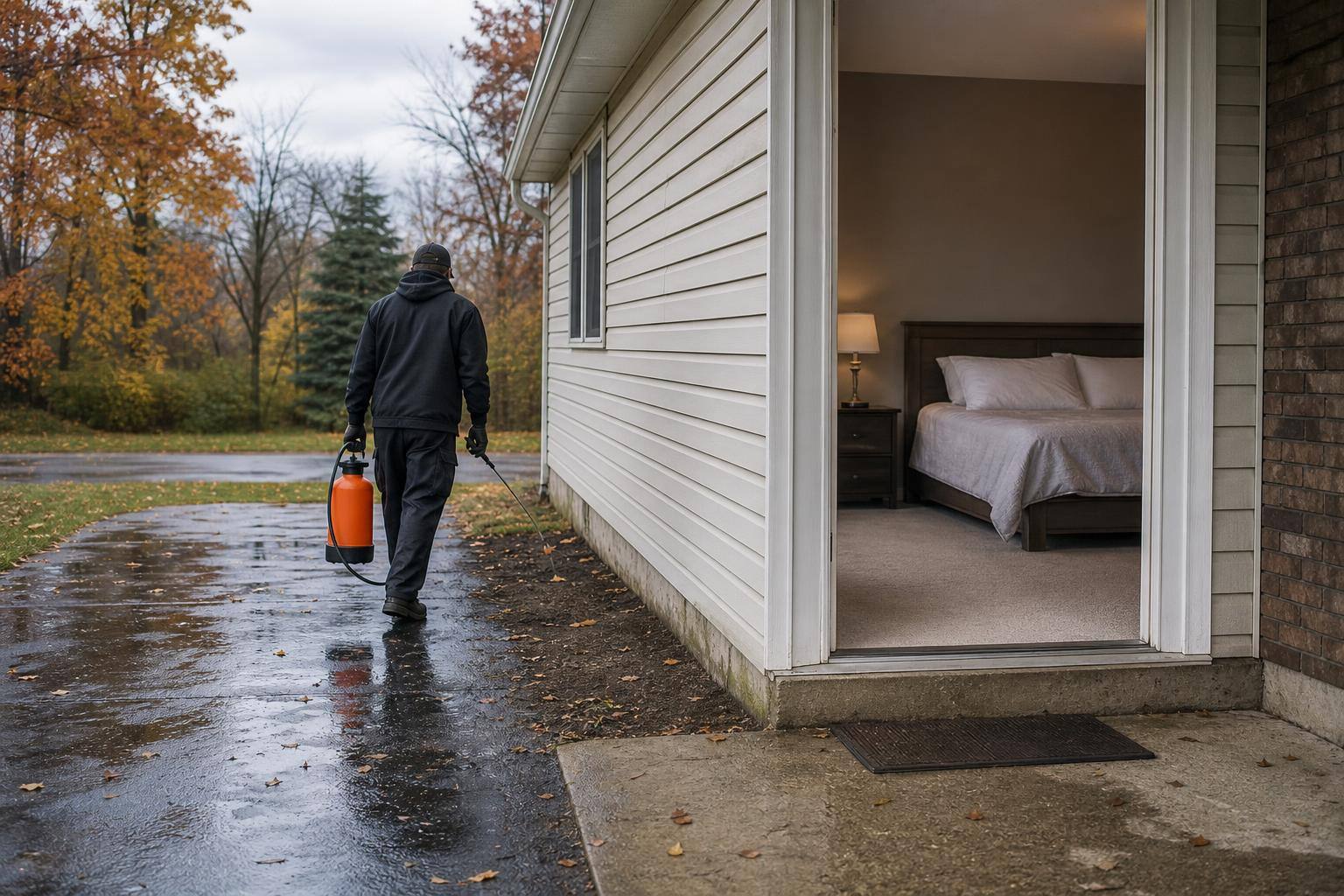
Bed bug treatment · Miami, FL
Brickell apartment bed bug treatment often means working through concrete walls, tight elevators, and shared corridors. A single phone conversation can set the right inspection or treatment for the unit.
A real person answers · No forms · No waiting on a quote email
Plan
For Miami apartments, condos, and guest rooms, the inspection or single-room treatment is often the right starting point, with connected areas added when findings require it.
Quote
The quote is given on the call and changes with rooms, infestation extent, access, materials, and time on site.
Time
The visit time is set on the call around building access, parking, tenants, pets, and treatment preparation.
From Brickell high-rises and Little Havana apartments to Coral Gables homes, Miami Beach hotels, and Hialeah rentals, bed bug work must account for concrete construction, shared walls, tight access, and year round activity. The inspection identifies sleeping areas, furniture, cracks, and nearby harborage before treatment is sized.
Services
Miami
Miami housing ranges from high-rise condos and dense apartment buildings to older homes in Little Havana, Allapattah, and Coral Gables. Concrete walls, shared corridors, elevators, limited loading space, and humid rooms affect how an inspection and bed bug treatment are planned. The work focuses on sleeping areas, furnishings, cracks, and connected spaces rather than treating every property the same way.
A focused Miami bedroom treatment examines the bed, nearby furniture, baseboards, cracks, and other hiding places around the sleeping area.
Apartment work in Brickell, Downtown Miami, or Little Havana considers neighboring units, shared walls, elevators, and the building’s access rules.
Whole-home treatment suits Miami houses where bed bugs have moved beyond one bedroom into connected sleeping and living areas.
Furniture treatment examines mattresses, upholstered pieces, frames, and joints before targeted work, useful for Miami moves and tightly furnished rooms.
A move-in inspection checks sleeping areas and furniture before belongings spread through a Miami apartment, condo, or rental home.
Miami hotel service considers guest rooms, furnishings, housekeeping access, nearby rooms, and the tight scheduling demands of an occupied property.
A Miami Dade County multi-unit program coordinates affected units, shared areas, and nearby units when inspection findings make that appropriate.
Single-room treatment fits many Miami jobs because activity is often first noticed around one bed or sofa. High-rise apartments, concrete construction, shared walls, and tight access make a careful inspection essential before expanding to connected rooms or units.
A pest professional examines sleeping areas, furniture, cracks, and other likely harborage sites for evidence.
This fits a Miami move-in, bite report, or suspected hotel room. A pest professional examines sleeping areas, furniture, cracks, and likely harborage sites for evidence.
Treatment focuses on one affected room and commonly includes targeted application to hiding places and furnishings.
This suits one affected bedroom in a Brickell condo, Little Havana apartment, or Miami home when inspection findings remain concentrated in that room.
The service treats affected rooms and connected areas according to the inspection findings and preparation plan.
This fits a Miami house or apartment where activity appears in several connected rooms, requiring affected rooms and nearby areas to follow the inspection and preparation plan.
A coordinated program inspects and treats affected units, shared areas, and nearby units when appropriate.
This suits Miami Dade County apartment buildings, hotels, or managed properties where affected units, shared areas, and nearby units need coordinated attention.
Cost
The exact quote is given on the call after the job is described. Cost depends on the treatment type, room and home size, infestation extent, preparation, access, distance within Miami, time on site, and the parts or materials needed.
The number of affected rooms, connected areas, units, beds, and furnishings changes the work more than the property label alone.
High-rise elevators, limited parking, secured entrances, narrow corridors, and Miami traffic can affect distance, access, and time on site.
The treatment approach and required application materials depend on inspection findings, furnishings, cracks, hiding places, and the condition of the work area.
Apartments, hotels, and multi-unit properties may require access arrangements across rooms or shared areas, changing preparation and time on site.
To avoid surprise charges, describe every affected room, furnishing, unit, access restriction, and prior treatment during the call. The exact quote is set before the visit based on those details.
What goes in
Visible insects, shed skins, or spotting should be described by room and location. In a Miami apartment, include whether sightings occurred near shared walls or building corridors.
Bites and dark droppings can support an inspection request, though they do not identify bed bugs by themselves. Mention sleeping locations and the typical Miami humidity around the room.
Mattresses, bed frames, sofas, and other furnishings can harbor bed bugs. A Miami move may involve a heavily loaded bedroom, upholstered furniture, and limited elevator access.
Not accepted. The service does not cover unrelated pests, unsafe access, undisclosed rooms, or removal of furniture and belongings that cannot be treated safely.
Projects
Bedroom treatment in Miami focuses on the bed, frame, furnishings, cracks, and nearby harborage instead of treating unrelated areas without inspection findings.
Apartment work in Brickell, Downtown Miami, or Little Havana accounts for shared walls, elevators, secured entries, and nearby rooms.
Miami homes with activity in bedrooms and connected living areas need a treatment plan that follows inspection findings and preparation.
Furniture treatment examines mattresses, sofas, frames, joints, and upholstery, useful during a Miami move or after activity appears on one piece.
Hotel treatment in Miami considers guest rooms, nearby rooms, furnishings, housekeeping access, and the property’s operating requirements.
A Miami move-in inspection checks the apartment, condo, or home before boxes, mattresses, and furniture distribute a hidden problem.
Multi-unit work across Miami Dade County coordinates affected apartments, shared spaces, and nearby units when the inspection supports that approach.
A real person records the Miami property type, affected rooms, signs, access limits, and whether nearby units or guests may be involved.
Explain where insects, droppings, bites, shed skins, or activity appeared, including beds, sofas, closets, and connected rooms.
Follow the preparation plan for bedding, furniture, belongings, pets, people, and access around the affected rooms.
The treatment addresses identified rooms and furnishings, with follow-up planning based on inspection findings and the property’s condition.
Weather
Miami’s tropical heat, heavy rain, hurricanes, and high humidity support year round bed bug activity and can complicate access, parking, ventilation, and preparation. Outdoor conditions matter less than indoor readiness, but storms may affect how the visit is set on the call.
Placement
Work takes place around beds, furniture, cracks, baseboards, closets, and connected rooms. Miami concrete construction can limit hidden routes, while high-rise elevators, secured entries, tight corridors, slab foundations, utility rooms, and limited parking can restrict access.
Permits
A bed bug treatment inside a Miami home, apartment, hotel, or furniture area generally does not require a street permit. If access or staging affects public space, approval comes from the City of Miami or the relevant Miami Dade County authority. The call covers whether an arrangement is needed and who handles it.
Miami Dade County condos, HOAs, landlords, and rental managers may require notice, vendor information, entry approval, or treatment records. Check the property rules before arranging access to shared corridors or nearby units.
Clear a path to affected beds, furniture, closets, cracks, and connected rooms. Provide access to building entrances, elevators, utility areas, and any needed shutoffs, with parking for the work vehicle. Keep people and pets clear, especially during heavy rain or hurricane conditions.
Service covers Miami neighborhoods and settings including Brickell, Downtown Miami, Little Havana, Allapattah, Coconut Grove, Coral Gables, Miami Beach, and high-rise, apartment, hotel, and single-family properties across Miami Dade County. Nearby service areas can include Fort Myers, Sebring, Kissimmee, Plant City, and Oviedo.
Not sure about your street? Ask on the call and we will tell you which office handles it.
Timing
Miami has no true dormant season for bed bugs. Tropical heat and humidity support activity year round, while travel, apartment turnover, student moves, hotel occupancy, and seasonal visitors can increase reports. Winter visitors and summer moves both make inspection planning important in condos, rentals, hotels, and multi-unit buildings.
Seasonal visitors, hotel turnover, and packed luggage can bring new reports through Miami Beach, Brickell, and Downtown properties. Inspect luggage areas, beds, upholstered furniture, and nearby rooms when signs appear.
Summer heat, heavy rain, and high humidity do not eliminate bed bugs. Apartment moves and indoor activity continue, so keep treatment areas accessible and discuss storm conditions when setting the visit.
Service area
Miami is part of our Miami Dade County coverage, and we also serve the neighboring communities below.
Why us
Miami’s dense housing puts bedrooms, sofas, shared walls, elevators, and corridors close together. A treatment plan must account for concrete construction and restricted building access, not just the first room where signs appeared.
Getcha Pest Control · Miami
Tropical heat, heavy rain, hurricanes, limestone ground, and high humidity support year round activity. Careful inspection helps distinguish a focused bedroom job from a whole-home or coordinated multi-unit program.
Click Here to Call (888) 510-9023FAQs
Still have a question about Miami? Call (888) 510-9023 and ask a real person.
The quote is given on the call and depends on affected rooms, treatment type, infestation extent, access, distance, time on site, and required materials. Describe the building, rooms, furnishings, prior treatments, parking, and elevator arrangements so the work can be sized accurately.
An inspection usually fits a first report because it shows whether activity is limited to one room or connected areas. A single-room treatment may fit confirmed activity around one bed, while nearby units or shared areas can require a broader plan.
The visit time is set on the call after the property, signs, access, and preparation needs are reviewed. Ask about available scheduling, including same-day or next-day options, without assuming a timing promise before the property is discussed.
The work covers identified sleeping areas, furniture, cracks, and other likely harborage sites according to the inspection and selected treatment tier. Connected rooms, shared areas, or nearby units are addressed when the findings and plan support that scope.
It does not cover unrelated pests, unsafe or inaccessible areas, undisclosed rooms, or furniture and belongings that cannot be treated safely. Removal of personal items and property preparation remain separate unless specifically arranged.
Interior treatment normally does not require a street permit or government inspection. If equipment, parking, staging, or access affects public space, the City of Miami or Miami Dade County authority may be involved, and the call can clarify who handles the arrangement.
Provide a clear path to beds, furniture, closets, cracks, and connected rooms, and follow the preparation plan for bedding, belongings, pets, and people. Apartment residents should also confirm elevator, entry, parking, and manager access before the visit.
Have the property type, affected rooms, sleeping locations, signs found, dates noticed, prior treatments, furniture details, pets, building access rules, parking limits, and nearby unit concerns ready. Photos or a sealed insect sample can also help describe the issue.
Miami weather can affect parking, access, ventilation, and preparation during heavy rain, tropical storms, or hurricanes, but indoor bed bug activity continues year round. The visit time is set on the call around safe access and the property’s condition.
Yes, a high-rise apartment may need connected-room or nearby-unit attention when inspection findings point to movement through furnishings, shared areas, or adjacent units. Elevators, secured entrances, concrete walls, and building management rules should be described before the treatment is sized.
A real person answers · No forms · Every quote given on the phone