Residential ant control
Homes near downtown Broken Bow and wooded roads may need interior treatment paired with foundation or yard work when trails keep returning.
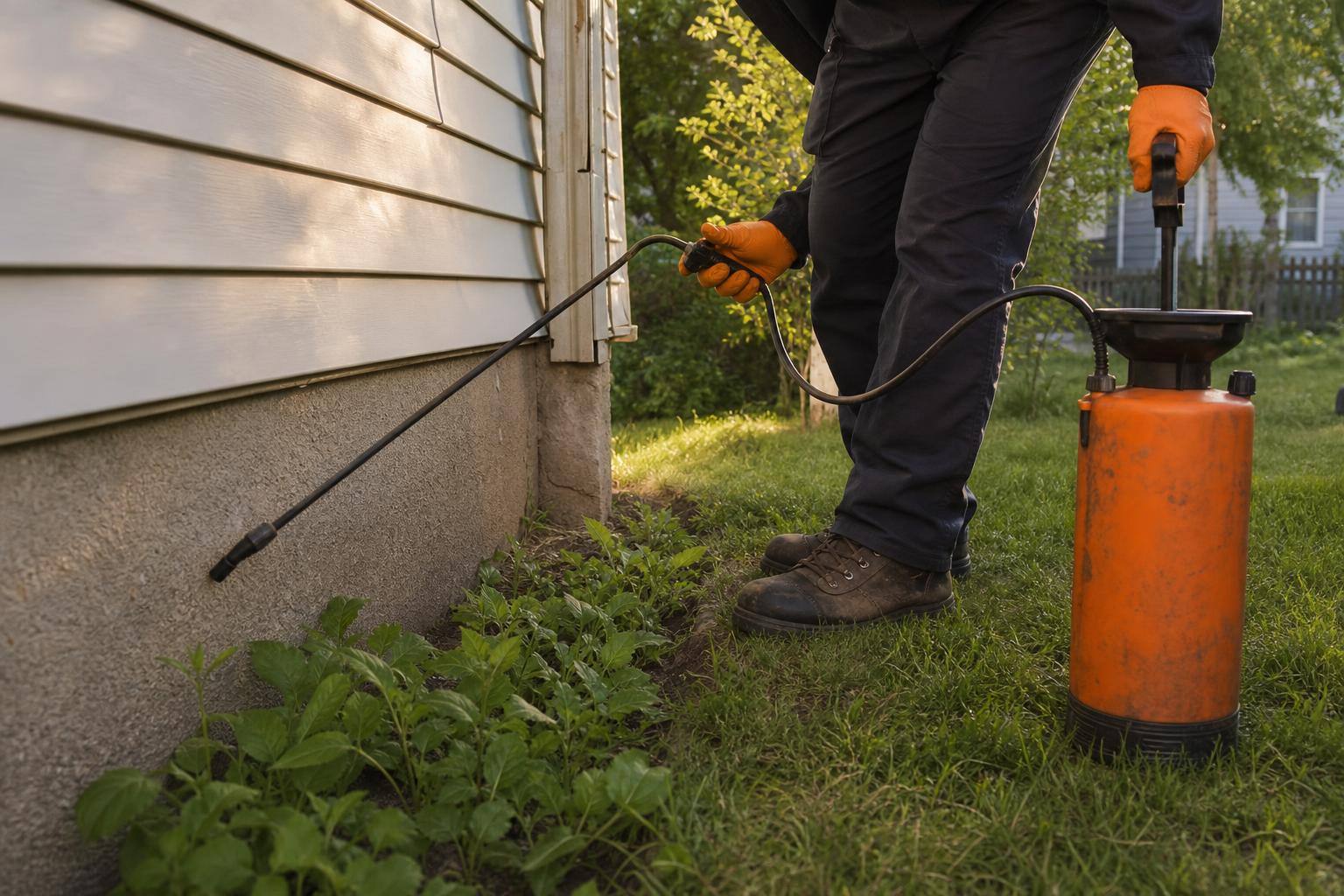
Ant control service · Broken Bow, OK
Cabins near Beavers Bend, wooded homes off South Park Drive, and lake properties around Broken Bow often need ant treatment that reaches beyond the kitchen. One phone conversation gets the job sorted.
A real person answers · No forms · No waiting on a quote email
Plan
For a Broken Bow cabin or wooded vacation property, the right fit is often whole-home control when trails return indoors, with the visit chosen after the housing and activity are described.
Quote
The quote is given on the call and changes with activity, property size, access, treatment areas, materials, and distance from Broken Bow.
Time
The visit time is set on the call around property access, occupants, pets, and the condition of the site.
Ant work changes across downtown Broken Bow homes, cabins near Beavers Bend State Park, lake properties around Broken Bow Lake, and wooded lots toward Hochatown. Kitchens may show the trail, while the nest sits at a foundation, crawl space, tree base, or damp edge of the property.
Services
Broken Bow
Broken Bow has slab homes, crawl spaces, lake cabins, vacation rentals, and wooded properties where red soil, shade, moisture, and heavy summer storms support recurring ant activity. A kitchen trail does not always identify the nest. The work checks species, entry points, trails, and nesting conditions before treatment is matched to the structure and surrounding ground.
Homes near downtown Broken Bow and wooded roads may need interior treatment paired with foundation or yard work when trails keep returning.
Kitchen treatment follows the trail toward cabinets, plumbing penetrations, baseboards, and damp areas common in Broken Bow homes and cabins.
Carpenter ant work examines damp wood, wall voids, crawl spaces, and roof edges around Broken Bow cabins and forested lots.
Fire ant control focuses on mounds and activity in sunny soil around Broken Bow yards, driveways, play areas, and rental properties.
Outdoor work addresses nests near foundations, decks, trees, and walkways at Broken Bow Lake homes and wooded vacation properties.
Restaurants, offices, shops, and lodging around Broken Bow need treatment planned around food areas, guests, staff, storage, and access.
A prevention plan monitors recurring activity around Broken Bow cabins, foundations, utility entries, and outdoor areas before trails become indoor problems.
The most common Broken Bow jobs involve a kitchen trail at a home or cabin with activity continuing outside. Targeted treatment fits a limited problem, while whole-home control suits recurring activity across the structure and wooded property.
A technician identifies ant species, entry points, trails, and nesting conditions.
An inspection fits a Broken Bow cabin where ants appear near a sink, window, porch, or crawl-space opening but the species and nesting location are not clear.
Treatment addresses visible activity and accessible nesting or entry areas.
Targeted treatment suits a defined kitchen trail, foundation entry, or fire ant mound at a Broken Bow home when accessible activity is limited to known areas.
A coordinated interior and exterior treatment targets recurring activity around the property.
Whole-home control fits recurring ants in a Broken Bow vacation rental or wooded house, coordinating interior and exterior treatment around entry points and nesting conditions.
Scheduled visits monitor activity and refresh preventive treatments as needed.
A prevention plan suits a frequently occupied cabin, rental property, or commercial site near Broken Bow where wet ground and forest cover keep activity returning.
Cost
The exact quote is given on the call after the property and activity are described. Cost depends on the ant species, job size, treatment areas, parts and materials, time on site, access, distance from Broken Bow, and after-hours work.
A kitchen trail differs from activity throughout a cabin, crawl space, foundation, and yard, so the treatment area and time on site affect cost.
Forest roads, steep approaches, locked gates, long drives from Broken Bow, and limited parking can change site access and the work required.
Treatment materials and any needed parts depend on the ant problem, entry conditions, nesting access, and whether interior and exterior areas require different work.
After-hours work, occupied vacation rentals, wet red soil, storm conditions, and difficult access can affect the work plan and the quoted cost.
Describe the property, ant locations, access limits, and prior treatment on the call. The exact quote is provided before the work is approved, so the scope is clear before the visit.
What goes in
This covers ants in kitchens, bathrooms, utility rooms, crawl spaces, and living areas. A typical Broken Bow cabin load may include activity brought in from a wooded foundation edge.
This covers accessible mounds and nesting areas near foundations, decks, paths, trees, and yards. Broken Bow red soil and storm-wet ground can keep outdoor activity active.
This covers carpenter ant activity tied to damp or damaged wood, wall voids, crawl spaces, and roof edges around homes, cabins, and forested McCurtain County properties.
Not accepted. The service does not cover inaccessible nests, unsafe work areas, unrelated structural repairs, or materials and pests outside the approved ant treatment.
Projects
Kitchen control traces activity around sinks, cabinets, plumbing openings, and baseboards in Broken Bow homes and vacation cabins.
Foundation control checks slab edges, crawl-space vents, porches, and soil contact where Broken Bow rain and red soil support entry.
Carpenter ant control examines damp wood, roof edges, wall voids, and crawl spaces at wooded McCurtain County cabins.
Fire ant control targets accessible mounds near lawns, driveways, decks, and outdoor areas around Broken Bow homes and rentals.
Yard treatment addresses nests and trails near trees, paths, foundations, and gathering areas on Broken Bow Lake and cabin properties.
Apartment control considers shared walls, plumbing routes, neighboring units, kitchens, and tenant access in Broken Bow buildings.
Commercial control suits lodging, food service, offices, and shops around Broken Bow, with work areas planned around staff and visitors.
Describe the property, location, ant appearance, and whether the activity is indoors, outdoors, or both.
Share where trails begin, how often they return, recent weather, prior treatments, and any access limits at the Broken Bow property.
The technician explains the recommended treatment scope, materials, work areas, and quote before the approved job proceeds.
Follow site guidance about moisture, food storage, vegetation, openings, and future monitoring around the structure.
Weather
Hot, humid Broken Bow summers can keep ants active, while heavy thunderstorms move moisture through red soil and toward foundations. Wet ground may obscure nests or limit access around cabins and yards. Weather conditions are reviewed when setting the visit and choosing accessible treatment areas.
Placement
Work may occur in kitchens, utility rooms, crawl spaces, slab edges, basements where present, foundations, decks, yards, and tree bases. Locked cabins, steep wooded approaches, standing water, stored items, and occupied rooms can limit access. Clear directions and open paths help the inspection cover the actual trail and entry point.
Permits
Ant treatment at a private Broken Bow property usually does not involve a building permit, but work affecting public space, unusual access, or a government-controlled area may require direction from the City of Broken Bow or McCurtain County. The call covers whether an approval or inspection applies and who arranges it.
Some McCurtain County subdivisions, cabin communities, landlords, and vacation rental managers set rules for exterior treatment, gate access, notices, or vendor entry. Check those requirements before the visit and share them on the call.
Clear access to the active trail, foundation, crawl-space door, utility room, and outdoor nest. Provide parking for the work vehicle, keep people and pets away, unlock gates, and remove loose items. Wet ground, storms, steep drives, and forest debris may restrict the work area.
Service covers homes, cabins, rentals, and businesses across Broken Bow, including downtown, north and south sides of town, properties along US 70, and wooded approaches toward Broken Bow Lake and Beavers Bend. Nearby service discussions may include Hochatown and other McCurtain County locations, with distance considered on the call.
Not sure about your street? Ask on the call and we will tell you which office handles it.
Timing
Ant activity often builds through the hot, humid season in Broken Bow, especially around kitchens, shaded foundations, decks, and cabins near wooded ground. Heavy thunderstorms can shift trails toward walls and slabs. Activity may continue indoors outside the warmest period when moisture, food, and protected nesting areas remain available.
Warm humid weather and frequent cabin use can expose trails near kitchens, porches, and decks. Treatment checks both the occupied rooms and the wooded exterior routes feeding activity.
Heavy thunderstorms can saturate red soil and push ants toward slabs, crawl spaces, and wall openings. Allow the technician to assess safe access and changed trail locations after wet weather.
Service area
Broken Bow is part of our McCurtain County coverage, and we also serve the neighboring communities below.
Why us
The treatment plan needs to account for forest cover, wet red soil, storm runoff, and the way vacation properties are occupied.
Getcha Pest Control · Broken Bow
Properties near Broken Bow Lake and Beavers Bend can sit on wooded, uneven lots with limited parking and locked gates. Describing the road, structure, access points, and activity pattern helps match the inspection or treatment to the real site rather than treating only the visible trail.
Click Here to Call (888) 510-9023FAQs
Still have a question about Broken Bow? Call (888) 510-9023 and ask a real person.
The exact quote depends on the ant species, property and treatment size, activity locations, materials, time on site, access, distance, and after-hours work. Describe the cabin or home, indoor and outdoor areas, and prior treatment on the call so the scope can be quoted accurately.
An inspection fits uncertain activity, targeted treatment fits a defined trail or mound, whole-home control fits recurring activity across a structure, and a prevention plan fits ongoing monitoring. A cabin near wooded ground may need interior and exterior attention when trails return.
The visit time is set on the call after the property, access, urgency, and work area are reviewed. Same-day or next-day availability can be discussed, but it is not promised. Have the cabin address, gate details, and activity location ready.
Treatment can address identified indoor activity, accessible outdoor nests, carpenter ant problems, entry points, trails, and accessible nesting areas within the approved scope. The recommended tier depends on whether activity is limited to one area or recurring throughout the property.
It does not cover inaccessible nests, unsafe work areas, unrelated structural repairs, or pests and materials outside the approved ant treatment. Damp wood, damaged roofing, plumbing leaks, and other building conditions may need separate repair work.
Most private ant treatments do not require a building permit, but public areas, unusual access, or government-controlled property may involve the City of Broken Bow or McCurtain County. The call covers whether an approval or inspection applies and who handles it.
Clear cabinets, counters, utility rooms, crawl-space entries, and foundation edges where activity is found. Secure pets and people, unlock gates, provide parking, and share cabin directions. Do not erase every trail before the technician sees it.
Access depends on the approved scope, but recurring cabin activity may require kitchens, utility areas, crawl spaces, foundations, decks, yards, and tree bases. Locked gates, stored items, steep drives, and wet ground can limit what is inspected or treated.
Heavy thunderstorms can move ants toward slabs, walls, and crawl spaces while making red soil and wooded approaches difficult to work. The visit plan considers safe access, visible trails, standing water, and where nests can be reached after wet weather.
Forest cover, humid summers, wet red soil, food sources, foundation openings, and protected nesting areas can keep activity returning. A recurring problem may need whole-home control or a prevention plan that checks both the cabin and the surrounding property.
A real person answers · No forms · Every quote given on the phone