Residential ant control
Gallatin residential work traces trails through kitchens, wall edges, crawl spaces, and foundation joints before choosing interior or exterior treatment.
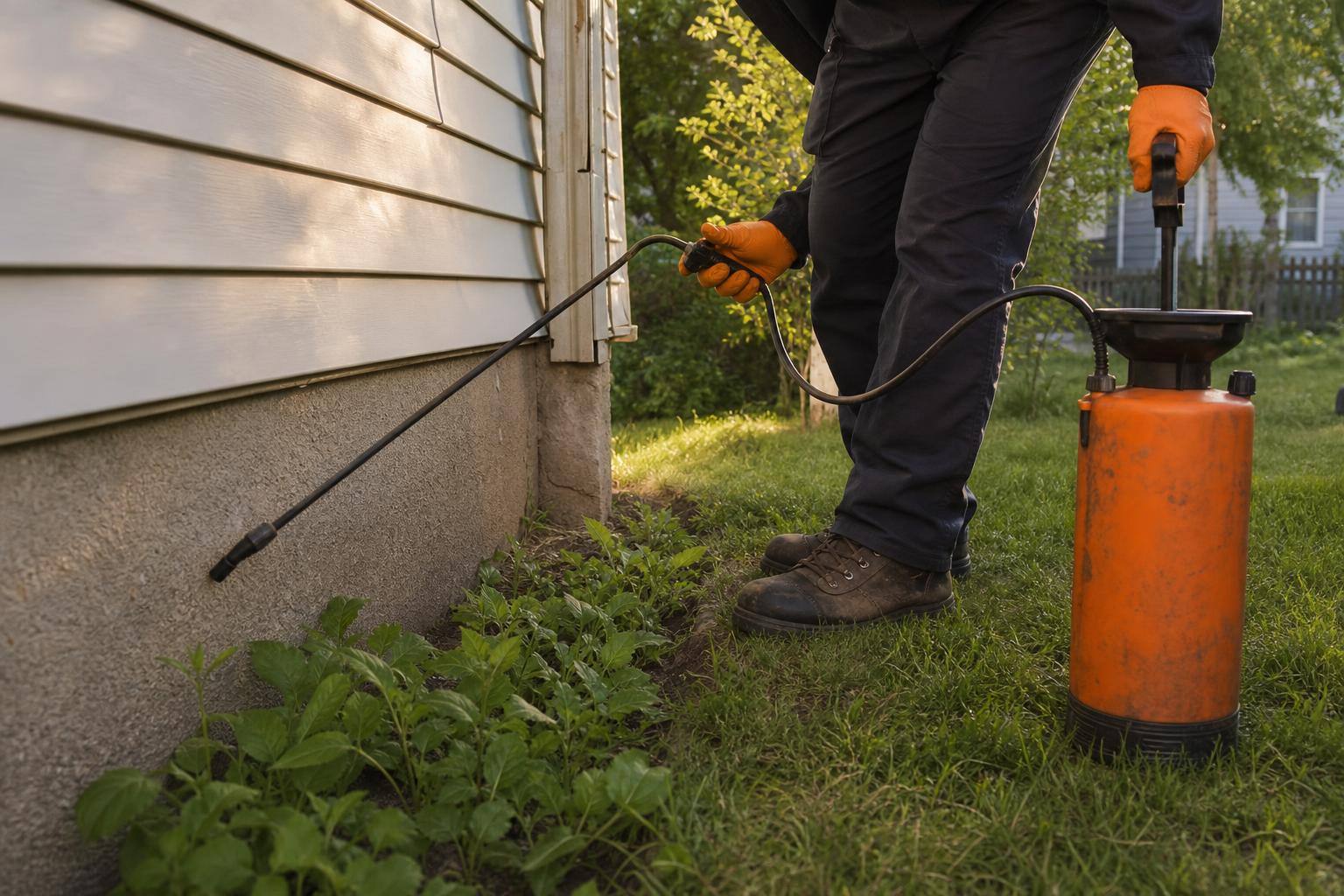
Ant control service · Gallatin, TN
A two-story home off Long Hollow Pike can develop ant trails where rolling clay meets the foundation, and one phone call gets the treatment sorted before activity spreads indoors.
A real person answers · No forms · No waiting on a quote email
Plan
Gallatin homes with recurring trails usually need targeted treatment or whole-home control, depending on whether activity stays near one entry point or crosses rooms and exterior areas.
Quote
The quote is given on the call, based on ant species, treatment area, access, materials, and time on site.
Time
The visit time is set on the call around your household, work schedule, and the property’s access conditions.
From homes near Station Camp to older houses around downtown Gallatin, ant work changes with crawl spaces, slabs, wooded lots, and clay soil against foundations. Properties near Long Hollow Pike may need entry-point treatment, while larger yards toward Saundersville Road often need exterior nest control and monitoring.
Services
Gallatin
Gallatin’s rapid Nashville-area growth has put newer homes beside wooded lots, open clay ground, and older neighborhoods with established entry points. Humid summers keep ants active around kitchens, slabs, crawl spaces, and mulch beds. Treatment starts with species, trail, moisture, and access checks so a house near Station Camp is not handled like a commercial property or an older downtown home.
Gallatin residential work traces trails through kitchens, wall edges, crawl spaces, and foundation joints before choosing interior or exterior treatment.
Kitchen treatment in Gallatin focuses on food paths, plumbing penetrations, cabinet voids, and moisture near sinks, dishwashers, and utility lines.
Carpenter ant work checks damp wood, roofline edges, crawl spaces, and tree contact around Gallatin homes, especially on wooded or sloped lots.
Fire ant control addresses active mounds in Gallatin yards, play areas, garden edges, and sunny disturbed soil where colonies can establish.
Outdoor treatment follows trails around Gallatin foundations, patios, retaining edges, mulch, and clay soil before activity reaches the interior.
Commercial ant control in Gallatin considers kitchens, storage rooms, loading areas, tenant spaces, and operating hours without ignoring exterior entry points.
A Gallatin prevention plan monitors recurring trails, refreshes accessible treatments, and checks foundation edges after humid weather and heavy storms.
Targeted treatment fits many Gallatin jobs where ants are using one kitchen, foundation joint, or outdoor trail. Whole-home control is more suitable when rolling lots, crawl spaces, and multiple entry points keep activity moving around the property.
A technician identifies ant species, entry points, trails, and nesting conditions.
An inspection fits a Gallatin homeowner who sees trails but cannot find the source. The technician identifies species, entry points, nesting conditions, and activity around slabs or crawl spaces.
Treatment addresses visible activity and accessible nesting or entry areas.
Targeted treatment suits a kitchen trail, foundation seam, or isolated yard nest near a Gallatin home. It addresses visible activity and accessible nesting or entry areas.
A coordinated interior and exterior treatment targets recurring activity around the property.
Whole-home control fits recurring activity across rooms and exterior edges, such as a Station Camp property where landscaping, utility penetrations, and foundation contact create several routes.
Scheduled visits monitor activity and refresh preventive treatments as needed.
A prevention plan suits properties with repeated seasonal activity around Gallatin’s humid lots and clay foundations. Scheduled visits monitor trails and refresh preventive treatments as needed.
Cost
The exact quote is given on the call after the ant problem is described. Cost depends on the species, size of the treatment area, number of activity points, access, materials, time on site, distance from Gallatin, and after-hours work.
Carpenter ants, fire ants, and small indoor ants require different treatment approaches. The species, trail length, nesting conditions, and activity level affect the work.
A tight crawl space, steep clay lot, locked utility room, or long route from the vehicle can add time compared with open access near a Gallatin driveway.
Parts and materials include the products and application supplies suited to the species and location. The treatment plan changes when nests or entry points are harder to reach.
The size of the home or business, number of areas, time on site, distance, and after-hours scheduling all influence the quoted cost.
Describe every active area during the call, including trails outside the room where ants are seen. Clear information about access, species clues, and prior treatment helps prevent surprise charges.
What goes in
Indoor activity includes trails in kitchens, bathrooms, utility rooms, wall edges, and living areas. A typical Gallatin load may involve ants entering around a slab, pipe penetration, or damp cabinet base.
Outdoor nests include mounds and trails in yards, mulch, patios, foundation edges, and garden beds. Gallatin’s clay ground and storm runoff can shift where activity appears.
Carpenter ant work covers activity associated with damp wood, crawl spaces, roof edges, wall voids, and tree contact. Older Gallatin homes and wooded lots need careful source checks.
Not accepted. Ant treatment does not cover unrelated wildlife, termites, structural repairs, concealed water damage, or materials and areas that cannot be safely accessed.
Projects
Gallatin kitchen control checks cabinet seams, sink plumbing, appliance edges, and trails leading back toward foundation gaps or wall penetrations.
Foundation work around Station Camp and Long Hollow follows trails through clay soil, mulch, slab joints, siding edges, and utility penetrations.
Carpenter ant control in Gallatin checks damp wood, crawl spaces, roof edges, tree contact, and wall voids rather than treating visible ants alone.
Fire ant control addresses active mounds in Gallatin yards, sunny clay areas, garden borders, and places disturbed by new construction or landscaping.
Yard treatment in Sumner County follows trails around patios, retaining edges, mulch, sheds, and foundation lines before activity moves inside.
Apartment work in Gallatin separates activity inside the unit from shared walls, utility chases, neighboring units, kitchens, and common exterior entry points.
Commercial control near Gallatin’s business corridors considers food areas, storage, tenant spaces, loading zones, waste areas, and operating access.
Describe the property, visible ants, affected rooms, exterior areas, and any concern about crawl spaces, slabs, or wooded edges.
Share where trails begin, when activity appears, what the ants look like, and whether previous treatment changed the pattern.
The technician explains the suitable visit or job type, work areas, access needs, and exact quote for your Gallatin property.
Follow preparation directions, correct accessible moisture or food sources, and use monitoring visits when recurring activity returns.
Weather
Gallatin’s hot humid summers increase ant movement around kitchens, foundations, and shaded yards. Severe storms can redirect trails and expose new entry points. Mild wet winters extend outdoor activity, while damp clay may limit access or change where nests are found.
Placement
Work may occur in kitchens, utility rooms, basements, crawl spaces, slab edges, foundation joints, yards, mulch, and exterior nesting areas. Stored items, locked rooms, steep rolling ground, wet clay, dense landscaping, and limited parking can restrict access.
Permits
Routine ant treatment at a private Gallatin property generally does not involve a building permit or local inspection. If work affects a public area, shared access, or another regulated location, ask the City of Gallatin or Sumner County what applies. The call can cover who needs to arrange any required approval.
Sumner County subdivisions and Gallatin communities may have HOA, covenant, or landlord rules about exterior applications, access, notices, and service records. Check those rules before treatment when the property is rented or governed by an association.
Keep the affected rooms, foundation edges, crawl-space openings, and yard trails reachable. Provide safe parking for the work vehicle, unlock utility or basement areas, move loose items, and keep people and pets clear. Wet clay, storms, and dense landscaping may limit outdoor access.
Service covers central Gallatin, homes near Station Camp, Long Hollow, Westmoreland Road, and the areas around downtown, as well as properties along Long Hollow Pike and Saundersville Road. Nearby Sumner County locations can be discussed when the property sits just outside Gallatin.
Not sure about your street? Ask on the call and we will tell you which office handles it.
Timing
Ant activity in Gallatin often rises during hot, humid weather, especially around kitchens, slabs, crawl spaces, and shaded landscaping. Severe storms can move trails or expose entry points. Mild wet winters keep some outdoor activity going, so inspection and treatment may remain useful beyond the usual summer rush.
Hot humid conditions bring visible trails around Gallatin foundations, patios, kitchens, and clay yards. Treatment planning should account for moisture, storm runoff, shaded landscaping, and nests hidden near structures.
Mild wet winters can extend outdoor ant activity around Gallatin homes and businesses. Damp soil and reduced access near crawl spaces may change where trails are found and how the work area is reached.
Service area
Gallatin is part of our Sumner County coverage, and we also serve the neighboring communities below.
Why us
Gallatin’s fast Nashville-area growth has placed new construction beside older homes, wooded lots, and open clay ground. That mix creates different ant routes through slabs, crawl spaces, mulch, utility penetrations, and damp wood, so the inspection has to follow the property rather than use one broad treatment.
Getcha Pest Control · Gallatin
Rolling terrain and severe storms can move water and ant trails toward foundations, patios, and low exterior edges. Work in Gallatin also has to account for humid summers, mild wet winters, basement or crawl-space access, and the difference between a compact subdivision lot and a larger yard near the town’s outer roads.
Click Here to Call (888) 510-9023FAQs
Still have a question about Gallatin? Call (888) 510-9023 and ask a real person.
The exact quote is given on the call. Cost depends on the ant species, treatment size, number of activity areas, access, parts and materials, time on site, distance, and after-hours work. Describe both indoor trails and outdoor nests so the quote reflects the Gallatin property.
A targeted treatment fits one kitchen trail, foundation route, or defined yard nest. Whole-home control fits recurring activity across rooms and exterior edges, while a prevention plan suits repeated seasonal problems. The inspection and property layout determine the recommendation.
The visit time is set on the call because access, technician availability, weather, and the type of ant treatment all matter. Ask about the earliest suitable visit and describe whether activity is spreading through the home or staying outside.
Treatment can address identified ant species, visible trails, accessible nesting areas, entry points, and coordinated interior or exterior activity. The work area may include kitchens, foundations, crawl spaces, utility rooms, slabs, yards, and commercial spaces.
Ant control does not cover unrelated pests, wildlife, termites, structural repairs, concealed water damage, or areas that cannot be safely accessed. Carpenter ant activity may point to damp wood, but repairing that wood is separate work.
Routine treatment at a private property generally does not need a building permit or local inspection. If work involves public space, shared property, or another regulated location, ask the City of Gallatin or Sumner County what approval applies.
The technician needs access to affected rooms, foundation edges, crawl spaces, utility areas, yards, and visible trails. Clear stored items, unlock relevant rooms, provide vehicle parking, and keep pets and people away from the work area.
Have the property location, affected rooms or yard areas, trail timing, ant photos or a sample if safe, previous treatment details, and access concerns ready. Mention crawl spaces, basements, damp wood, storm changes, and nearby landscaping.
Yes. Hot humid summers increase movement, severe storms can redirect trails, and mild wet winters can extend outdoor activity. Wet clay, runoff, and dense landscaping may affect nest locations and access, so weather conditions are part of the treatment discussion.
Gallatin’s rolling clay terrain, humid weather, storm runoff, mulch, and foundation penetrations can create routes along slabs and crawl spaces. New construction beside wooded or disturbed ground can also shift activity toward kitchens, utility rooms, and exterior walls.
A real person answers · No forms · Every quote given on the phone