Residential ant control
Residential ant control for Green Valley slab homes follows trails from kitchens, patios, irrigation zones, and foundation edges back toward likely entry points.
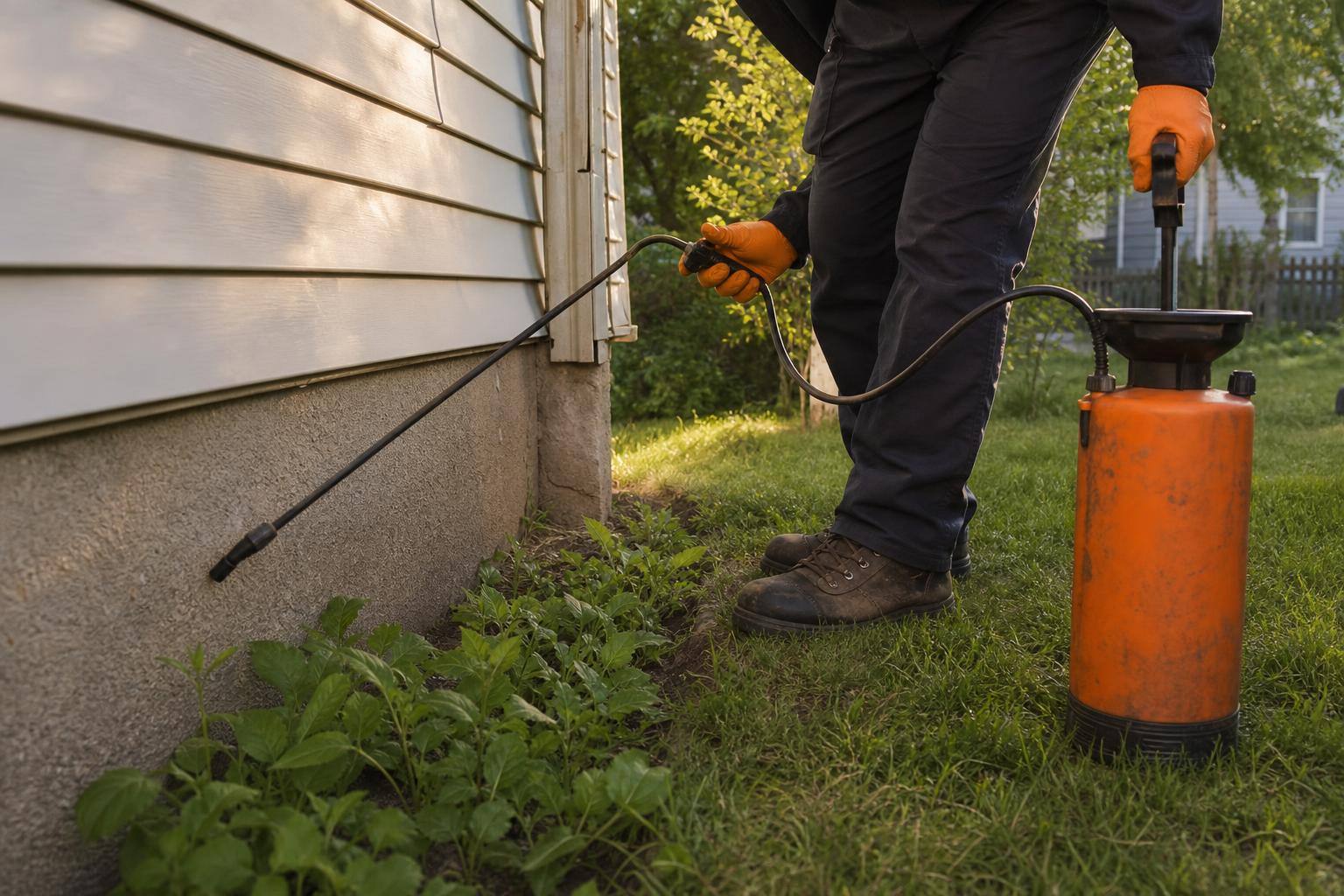
Ant control service · Green Valley, AZ
In the retirement communities around East Duval Mine Road, irrigated planting beds can keep ant trails active after the surrounding soil dries out. Getcha Pest Control sorts the treatment around the actual entry points and nesting conditions.
A real person answers · No forms · No waiting on a quote email
Plan
For Green Valley patios, slab homes, and irrigated community landscaping, the technician usually starts with an Ant Inspection before choosing targeted treatment or whole-home control.
Quote
The quote is given on the call after discussing activity, access, treatment areas, materials, distance, and any after-hours work.
Time
The visit time is set on the call around home access, community rules, pets, and the treatment area.
From Green Valley Village and Continental Ranch to Quail Creek and the homes near the Santa Cruz River, ant work follows irrigation lines, shaded foundations, kitchens, and utility penetrations. Desert landscaping can concentrate activity beside otherwise dry yards, so the inspection looks beyond the room where ants are first noticed.
Services
Green Valley
Green Valley homes often combine concrete slabs, shaded patios, block walls, and carefully irrigated desert plants. Ants may travel from a watered planting zone toward a kitchen, utility opening, or roofline. Retirement communities also bring association rules, gated access, and landscaped common areas into the job, so the technician needs the property layout before selecting interior, foundation, yard, or recurring control work.
Residential ant control for Green Valley slab homes follows trails from kitchens, patios, irrigation zones, and foundation edges back toward likely entry points.
Kitchen ant treatment in Green Valley focuses on trails near sinks, cabinets, plumbing penetrations, food storage, and doors opening toward watered landscaping.
Carpenter ant treatment checks damp wood, shaded trim, roof edges, and irrigation splash areas around Green Valley homes for accessible nesting conditions.
Fire ant control addresses outdoor mounds and activity in Green Valley yards, especially where irrigation keeps soil workable beside paths and planting beds.
Outdoor ant treatment covers foundation lines, patios, walls, and desert landscaping where Green Valley irrigation zones create dependable ant travel routes.
Commercial ant control helps Green Valley offices, care settings, and service buildings track activity across kitchens, utility spaces, entries, and landscaped grounds.
Ant prevention service monitors recurring activity around Green Valley homes and refreshes preventive treatment where irrigation, heat, and construction gaps keep trails active.
The most common Green Valley job starts with an inspection or targeted treatment because activity often begins beside an irrigated bed or slab edge. Whole-home control fits recurring indoor and outdoor trails, while prevention suits properties that need ongoing monitoring.
A technician identifies ant species, entry points, trails, and nesting conditions.
An inspection fits a Green Valley homeowner who sees a short trail near a sink, patio door, or watered planting bed but has not located the entry point.
Treatment addresses visible activity and accessible nesting or entry areas.
Targeted treatment suits visible activity at a kitchen threshold, foundation section, utility opening, or outdoor nest where accessible treatment areas are clearly identified.
A coordinated interior and exterior treatment targets recurring activity around the property.
Whole-home control fits recurring activity moving between a Green Valley kitchen, slab perimeter, patio, and irrigated yard, requiring coordinated interior and exterior work.
Scheduled visits monitor activity and refresh preventive treatments as needed.
A prevention plan fits larger Green Valley properties, recurring seasonal activity, or homes where irrigation zones and landscaped common areas repeatedly support new trails.
Cost
The exact quote is given on the call after the job is described. Ant control cost depends on the type and size of the property, activity level, treatment areas, parts or materials, time on site, access, distance from the Green Valley setting, and after-hours work.
The size of the home or commercial space, ant species, number of trails, and whether activity is indoors, outdoors, or both affect the work.
Gated communities, long drives, blocked side yards, roofline access, and distance from the Green Valley service area can change time on site.
Treatment materials, monitoring supplies, access equipment, and any parts needed around utility penetrations depend on the inspection findings and treatment plan.
A kitchen visit differs from coordinated slab, patio, yard, and interior work, and after-hours service can change the quoted cost.
To avoid surprise charges, describe every active area, mention community or gate restrictions, and ask what work is being quoted before approving the treatment plan. The exact quote is given on the call.
What goes in
Indoor ant activity includes trails in kitchens, bathrooms, utility rooms, and living areas. In Green Valley homes, report activity near sinks, slab cracks, patio doors, and indoor plants.
Outdoor ant nests include visible mounds and trails beside foundations, walkways, walls, and irrigated planting beds. Green Valley yards may keep these areas active despite arid surrounding soil.
Carpenter ant problems include activity around damp trim, roof edges, shaded patios, and wood near irrigation splash. The technician checks accessible nesting conditions rather than assuming every ant is a carpenter ant.
Not accepted. Treatment does not cover unrelated pest species, inaccessible concealed conditions, unsafe work areas, or items and areas the technician cannot safely inspect or treat.
Projects
Green Valley kitchen control checks sink plumbing, cabinet voids, food storage areas, and doors leading toward irrigated desert landscaping.
Foundation work around Green Valley slab homes follows trails along block walls, patios, cracks, and planting beds kept damp by irrigation.
Carpenter ant control checks shaded trim, roof edges, patio structures, and damp wood around Green Valley homes for accessible nesting conditions.
Fire ant control targets mounds and trails in Green Valley yards, especially around watered turf, garden beds, paths, and play areas.
Yard control maps activity across Green Valley desert landscaping, drip zones, walls, and foundation edges before selecting treatment areas.
Apartment control considers shared walls, utility penetrations, kitchens, patios, and property access in Green Valley rental communities.
Commercial control for Green Valley offices and care settings tracks activity through kitchens, service rooms, entrances, loading areas, and maintained grounds in Pima County.
Describe the Green Valley property, the rooms or yard involved, and whether activity is near irrigation, a slab, or a shared community area.
Share ant location, trail direction, frequency, appearance if known, recent watering, and any prior treatment or repair near the entry point.
The technician explains the recommended inspection, targeted treatment, whole-home control, or prevention plan before work begins.
Follow the treatment instructions, correct accessible moisture or entry conditions, and report recurring trails so prevention can be considered.
Weather
Green Valley heat can drive ants toward shaded interiors, plumbing openings, and irrigated beds. Monsoon bursts can disturb outdoor nests and create fresh movement along foundations. Arid soil dries quickly between watering cycles, so treatment planning considers recent rain, irrigation schedules, shaded ground, and safe access during extreme heat.
Placement
Work may occur in kitchens, utility rooms, garages, crawl spaces where present, slab edges, patios, walls, roofline areas, and yards. Access can be limited by locked gates, community landscaping, stored items, narrow side yards, irrigation equipment, pets, or extreme afternoon heat.
Permits
Ant treatment at a private Green Valley property generally does not involve a local construction permit. If work affects a public walkway, street edge, shared community area, or another regulated location, ask the City of Green Valley about approval or inspection. The call covers who needs to arrange it before work is planned.
Green Valley associations, covenants, and landlords may control exterior treatment, entry notices, gate access, visible equipment, or work in shared landscaping. Check the property rules in Pima County and have approval details ready for the call.
Clear the route to kitchens, utility rooms, slab edges, patios, yards, and any suspected nest. Provide parking for the work vehicle, unlock gates, identify shutoffs and irrigation controls, and keep people and pets away. Recent monsoon moisture or extreme heat may affect safe access.
Service covers Green Valley Village, Quail Creek, Continental Ranch, the East Duval Mine Road area, west and east Green Valley, Santa Cruz River surroundings, and nearby residential and commercial corridors. Service details for locations outside Green Valley, including Tumacacori, are set on the call.
Not sure about your street? Ask on the call and we will tell you which office handles it.
Timing
Ant activity in Green Valley can persist year round because irrigated desert landscaping supplies moisture even when surrounding soil is dry. Extreme summer heat may shift trails toward shaded interiors and utility areas, while monsoon bursts can bring new outdoor activity. Spring and fall often reveal routes around foundations, patios, and planting beds.
During extreme heat, ants often use shaded walls, kitchens, utility penetrations, and drip irrigated beds. Share watering schedules and provide safe access to exterior areas before the treatment is planned.
Monsoon bursts can displace outdoor colonies and open new trails along slabs, walkways, and foundation walls. Recheck areas where runoff or irrigation leaves damp soil after the weather clears.
Service area
Green Valley is part of our Pima County coverage, and we also serve the neighboring communities below.
Why us
Green Valley's retirement communities pair slab homes and shaded patios with carefully maintained irrigation zones. That combination can move ants from planting beds toward kitchens, utility openings, and foundation joints, so the job needs more than a treatment aimed only at the first visible trail.
Getcha Pest Control · Green Valley
Across Pima County's arid ground, a small watered area can remain a dependable route through extreme heat. Local treatment planning checks drip lines, landscape borders, block walls, gates, and community access before choosing focused control or a prevention plan.
Click Here to Call (888) 510-9023FAQs
Still have a question about Green Valley? Call (888) 510-9023 and ask a real person.
The quote is given on the call and depends on the property size, ant activity, treatment scope, materials, time on site, access, distance, and after-hours work. Describe every active area, including irrigated beds and shared community spaces, so the quote matches the actual Green Valley job.
An inspection fits uncertain activity, targeted treatment fits a defined trail or nest, whole-home control fits recurring indoor and outdoor activity, and a prevention plan fits repeated seasonal problems. Slab homes near irrigated landscaping often need the entry route checked before the final tier is chosen.
The visit time is set on the call because access, community rules, property location, and the treatment area all matter. Ask about available timing, including same-day or next-day options, and mention any gate, pet, or heat restrictions.
Ant treatment can cover identified indoor activity, outdoor nests, accessible entry areas, foundation routes, kitchens, yards, or coordinated interior and exterior areas. The technician chooses the scope after checking trails, species, nesting conditions, irrigation influence, and access at the property.
It does not cover unrelated pest species, unsafe areas, inaccessible concealed conditions, or locations the technician cannot inspect or treat. It also does not automatically correct leaks, damaged building materials, blocked access, or landscaping conditions that support activity.
Private ant treatment generally does not need a local construction permit. Work affecting a street edge, public walkway, shared community space, or regulated location may require direction from the City of Green Valley, and the call covers who arranges any required approval.
Clear counters, cabinet edges, utility openings, patios, foundation sections, and suspected nests. Unlock gates, identify irrigation controls and shutoffs, provide work vehicle parking, secure pets, and share community or landlord rules before the technician arrives.
Yes. Extreme heat shifts activity toward shade and interiors, while monsoon bursts can disturb nests and create new trails near slabs and walls. Recent rain, irrigation schedules, shaded access, and safe working conditions are discussed when the treatment is planned.
Irrigated planting beds, drip lines, shaded walls, and damp spots can provide dependable routes through otherwise arid soil. Ants may then reach slab joints, patios, kitchens, or utility openings, so recurring activity may fit whole-home control or a prevention plan.
Have the property location, rooms and outdoor areas involved, trail direction, recent watering or monsoon exposure, ant appearance if known, prior treatment details, gate instructions, pet information, and community or landlord rules ready for the call.
A real person answers · No forms · Every quote given on the phone