Residential cockroach control
Cutchogue homes receive a treatment plan based on kitchen activity, bathrooms, utility areas, basement conditions, and accessible hiding places.
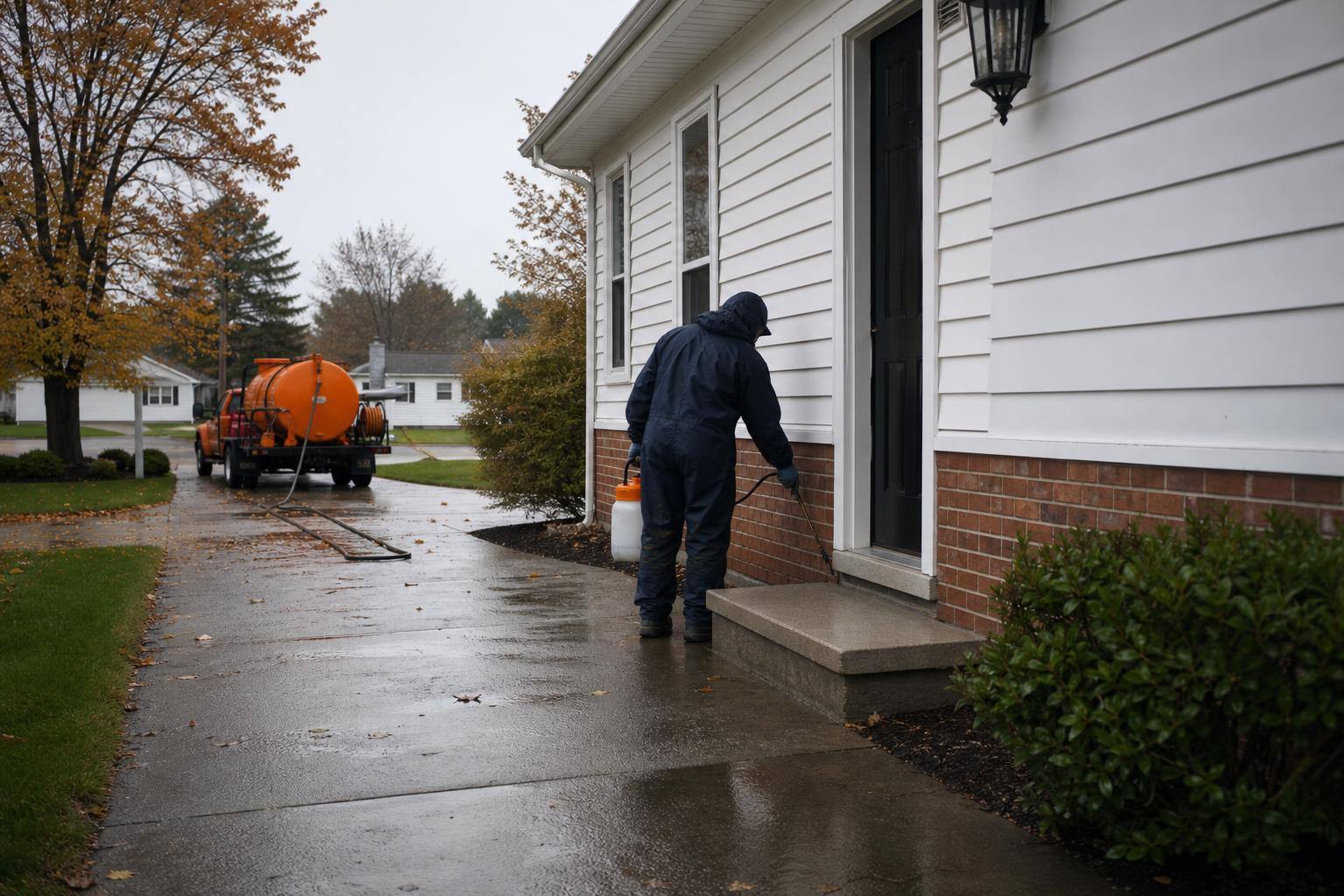
Cockroach control service · Cutchogue, NY
North Fork vineyard homes and coastal cottages in Cutchogue can hide roaches behind warm appliances, plumbing chases, and damp utility areas. One phone call gets the right treatment scope sorted.
A real person answers · No forms · No waiting on a quote email
Plan
For a Cutchogue kitchen, basement, or rental turnover, the technician usually sorts out an inspection, targeted treatment, or whole-home treatment based on activity and building layout.
Quote
The exact quote is given on the call, based on infestation size, access, treatment methods, materials, and time on site.
Time
The visit time is set on the call around access to the property, occupants, tenants, and work areas.
Cutchogue vineyard properties, homes near Nassau Point, cottages along Little Peconic Bay, and houses near Route Twenty Five all present different hiding places. Kitchens, basements, crawl spaces, and utility rooms need different inspection paths, especially where coastal humidity and sandy ground affect moisture movement.
Services
Cutchogue
Cutchogue homes range from older North Fork houses to coastal cottages and larger vineyard properties. That mix changes where roaches travel, from kitchen plumbing and basement drains to utility rooms, crawl spaces, and wall voids. Apartment turnovers and food-service areas need documented access and careful coordination, while sandy lots and humid summers can keep moisture available around foundations.
Cutchogue homes receive a treatment plan based on kitchen activity, bathrooms, utility areas, basement conditions, and accessible hiding places.
Kitchen work focuses on appliance gaps, cabinet voids, plumbing penetrations, and moisture sources common in Cutchogue vineyard and coastal homes.
Apartment treatment considers shared walls, tenant access, neighboring units, and the compact kitchens found in Cutchogue rental properties.
Recurring control suits properties near Cutchogue food-service areas or coastal moisture, with scheduled inspections, follow-up treatments, and monitoring.
A Cutchogue move-in inspection checks kitchens, bathrooms, utility areas, and hiding places before furniture and stored goods fill the rooms.
Property managers in Cutchogue can coordinate tenant access, vacant-unit work, monitoring, and treatment records across rental turnovers.
Commercial control fits Cutchogue restaurants, offices, and vineyard operations where occupied areas require access planning, monitoring, and documentation.
Most Cutchogue residential jobs begin with an inspection or targeted treatment because activity may stay close to kitchens and plumbing. Older coastal homes, active infestations, and connected rental spaces may need whole-home treatment or recurring control.
A technician inspects kitchens, bathrooms, utility areas, and hiding places for cockroaches and signs of activity.
An inspection fits a Cutchogue home with sightings but unclear nesting areas. The technician checks kitchens, bathrooms, utility areas, and hiding places for roaches and signs of activity.
A targeted service treats identified rooms with methods such as approved baits, gels, dusts, or localized applications.
Targeted treatment suits identified activity in a kitchen, bathroom, or utility room at a Cutchogue cottage. Approved baits, gels, dusts, or localized applications address the treated rooms.
A whole-home treatment addresses active areas throughout the residence and includes practical sanitation and exclusion guidance.
Whole-home treatment fits active roach pressure moving through an older Cutchogue house, basement, and utility spaces. It addresses active areas throughout the residence with sanitation and exclusion guidance.
A recurring plan combines scheduled inspections, follow-up treatments, and monitoring to manage ongoing cockroach pressure.
Recurring control suits a Cutchogue rental, food-service space, or coastal home with continuing pressure. Scheduled inspections, follow-up treatments, and monitoring help manage activity over time.
A commercial service treats occupied business areas while coordinating access, monitoring, and documentation with site requirements.
Commercial control fits a Cutchogue restaurant, office, warehouse, or vineyard operation. Work coordinates occupied areas, access, monitoring, and documentation with the site's requirements.
Cost
The exact quote is given on the call after the infestation and property are described. Cost depends on the type and size of the job, parts and materials, time on site, access, distance across the North Fork, and after-hours work.
A sighting limited to one Cutchogue kitchen differs from activity across bedrooms, bathrooms, basements, or several connected rental units.
Crawl spaces, tight utility rooms, occupied apartments, locked areas, and distance along North Fork roads can change the time and access required.
Approved baits, gels, dusts, and localized applications are selected for the conditions found, so materials and parts vary with the treatment plan.
Commercial spaces, tenant turnovers, after-hours work, and monitoring requirements can add time on site compared with an accessible single-family home.
To avoid surprise charges, describe the rooms involved, recent sightings, building type, access limits, and any prior treatment when booking. The exact quote is given on the call before the work is set.
What goes in
Kitchen activity includes roaches or signs around appliances, cabinets, sinks, and food storage. In Cutchogue homes, the technician also checks utility connections and moisture near the foundation.
Apartment infestations include activity in kitchens, bathrooms, utility areas, and shared-wall locations. Tenant access and neighboring units matter in Cutchogue rentals, especially during turnover.
Commercial problems include activity in restaurants, offices, warehouses, and vineyard work areas. Cutchogue food-service loads, storage, occupied rooms, and documentation needs shape the control plan.
Not accepted. The service does not cover inaccessible areas, unrelated structural repairs, unsafe work zones, or treatment of materials and spaces outside the agreed cockroach control plan.
Projects
Kitchen treatment in Cutchogue targets appliance gaps, cabinets, plumbing penetrations, and food storage areas where roaches commonly remain concealed.
Bathroom work checks drains, pipe openings, vanities, and nearby utility spaces, useful for humid coastal homes around Cutchogue.
Apartment treatment in Cutchogue accounts for shared walls, tenant access, neighboring units, and activity moving through compact kitchens.
Suffolk County rental turnover work uses vacant access to inspect rooms, treat activity, and identify sanitation or exclusion concerns before move-in.
Cutchogue restaurant control coordinates kitchens, storage, occupied service areas, monitoring, and documentation around operating requirements.
Office treatment covers break rooms, utility areas, storage, and occupied workspaces in Cutchogue while arranging practical access for staff.
Warehouse work in the North Fork checks storage edges, utility areas, receiving spaces, and other locations where activity can remain hidden.
A real person answers by phone. Have the Cutchogue property type, affected rooms, recent sightings, and access concerns ready.
Explain where activity appears, how often it is seen, any prior treatment, and whether tenants, pets, food areas, or staff are present.
The technician matches the inspection or treatment scope to the building, activity, access, materials, and conditions discussed on the call.
The work addresses identified areas, then uses practical follow-up guidance or monitoring when the selected control plan requires it.
Weather
Humid Cutchogue summers can support activity around kitchens, basements, crawl spaces, and utility areas. Winter winds and nor'easters can drive pests toward protected building gaps. Sandy soils and groundwater sensitivity also make outdoor moisture and drainage conditions relevant when discussing exterior access or exclusion work.
Placement
Work may occur in kitchens, bathrooms, basements, crawl spaces, utility rooms, wall-adjacent areas, and limited yard locations. Tight crawl spaces, stored goods, locked rooms, wet ground, high winds, and occupied rooms can limit access and change the work sequence.
Permits
Cockroach treatment inside a Cutchogue property generally does not involve street work. If exterior placement, access, or a related property change requires local approval or inspection, the City of New Suffolk or another responsible local government authority identifies that requirement. The call covers who needs to arrange it.
Some Suffolk County properties have association rules, covenants, landlord instructions, or advance notice requirements for entry and treatment. Share those rules on the call so access, tenant notice, and exterior activity can be coordinated correctly.
Clear a path to affected rooms, cabinets, appliances, shutoffs, crawl-space entrances, and utility areas. Provide suitable parking for the work vehicle, keep people and pets clear, and mention wet ground, wind, nor'easter conditions, or restricted coastal access before the visit.
Service covers Cutchogue village areas, North Fork vineyard properties, homes near Nassau Point, coastal cottages along Little Peconic Bay, and properties near Route Twenty Five. Nearby North Fork access can also be discussed when the property sits just outside Cutchogue, including surrounding Suffolk County communities.
Not sure about your street? Ask on the call and we will tell you which office handles it.
Timing
Cutchogue cockroach activity often becomes more noticeable through humid summer weather, when kitchens, basements, and utility areas offer moisture and warmth. Coastal homes can also see pressure after weather changes drive pests toward sheltered gaps. Rental turnovers, restaurant work, and move-ins create additional scheduling needs throughout the year.
Humid summer conditions can increase sightings near sinks, appliances, crawl spaces, and damp utility areas in Cutchogue homes. Report leaks and keep affected rooms accessible for a useful inspection.
Winter winds and nor'easters can push pests toward protected building gaps and heated interior areas. Sandy ground, groundwater sensitivity, and wet access routes may affect exterior observations and placement.
Service area
Cutchogue is part of our Suffolk County coverage, and we also serve the neighboring communities below.
Why us
Cutchogue's vineyard country combines work buildings, storage areas, older homes, and food-service spaces. A useful cockroach treatment accounts for how people use those rooms, where plumbing enters, and whether activity can move between connected areas.
Getcha Pest Control · Cutchogue
Coastal homes near Little Peconic Bay face humid air, wind, and changing ground moisture. Those conditions make basements, crawl spaces, utility rooms, and foundation gaps worth checking rather than treating only the first room where a roach was seen.
Click Here to Call (888) 510-9023FAQs
Still have a question about Cutchogue? Call (888) 510-9023 and ask a real person.
The exact quote is given on the call. Cost changes with infestation size, property type, rooms involved, access, distance across the North Fork, materials, time on site, and after-hours work. Describe the building and affected areas so the quote matches the actual Cutchogue job.
An inspection fits uncertain activity, targeted treatment fits identified rooms, and whole-home treatment fits active pressure across a residence. Recurring control may suit continuing activity in a rental or coastal home. The building layout and rooms involved determine the recommendation.
The visit time is set on the call after the property, access, and infestation details are reviewed. Ask about available timing, including any same-day or next-day options, and mention tenant schedules, restaurant hours, or North Fork travel constraints.
Treatment can cover identified kitchens, bathrooms, utility areas, hiding places, or broader active areas depending on the selected tier. Methods may include approved baits, gels, dusts, or localized applications. The technician also provides practical guidance when the whole-home plan calls for it.
It does not cover inaccessible areas, unrelated structural repairs, unsafe work zones, or spaces outside the agreed control plan. In Cutchogue cottages and vineyard properties, disclose locked rooms, crawl-space limits, storage, and exterior restrictions before the work is set.
Interior cockroach treatment generally does not require street work or a local permit. Exterior placement or a related property change may involve the City of New Suffolk or another responsible local authority. The call covers who must arrange any required approval or inspection.
Access requirements depend on the rooms, methods, occupants, pets, and treatment plan. Keep people and pets clear of work areas and provide access to cabinets, appliances, plumbing, utility rooms, and crawl-space entrances. The technician explains practical preparation on the call.
Have the property type, affected rooms, recent sightings, prior treatment details, tenant or staff access, pets, and parking limits ready. For a Cutchogue vineyard or coastal property, mention storage buildings, crawl spaces, basements, and damp utility areas.
Humid summers can increase activity near moisture, while winter winds and nor'easters can push pests toward sheltered gaps. Wet sandy ground or restricted coastal access may affect exterior observations, so describe current conditions when setting the visit.
Commercial control can treat occupied vineyard, restaurant, office, or warehouse areas while coordinating access, monitoring, and documentation. Break rooms, kitchens, storage, utility spaces, and staff movement all affect the plan, especially where food handling or operating hours limit access.
A real person answers · No forms · Every quote given on the phone