Home flea treatment
For Hudson Falls houses, the work can cover affected rooms, flooring, pet resting places, basements, and other areas found during inspection.
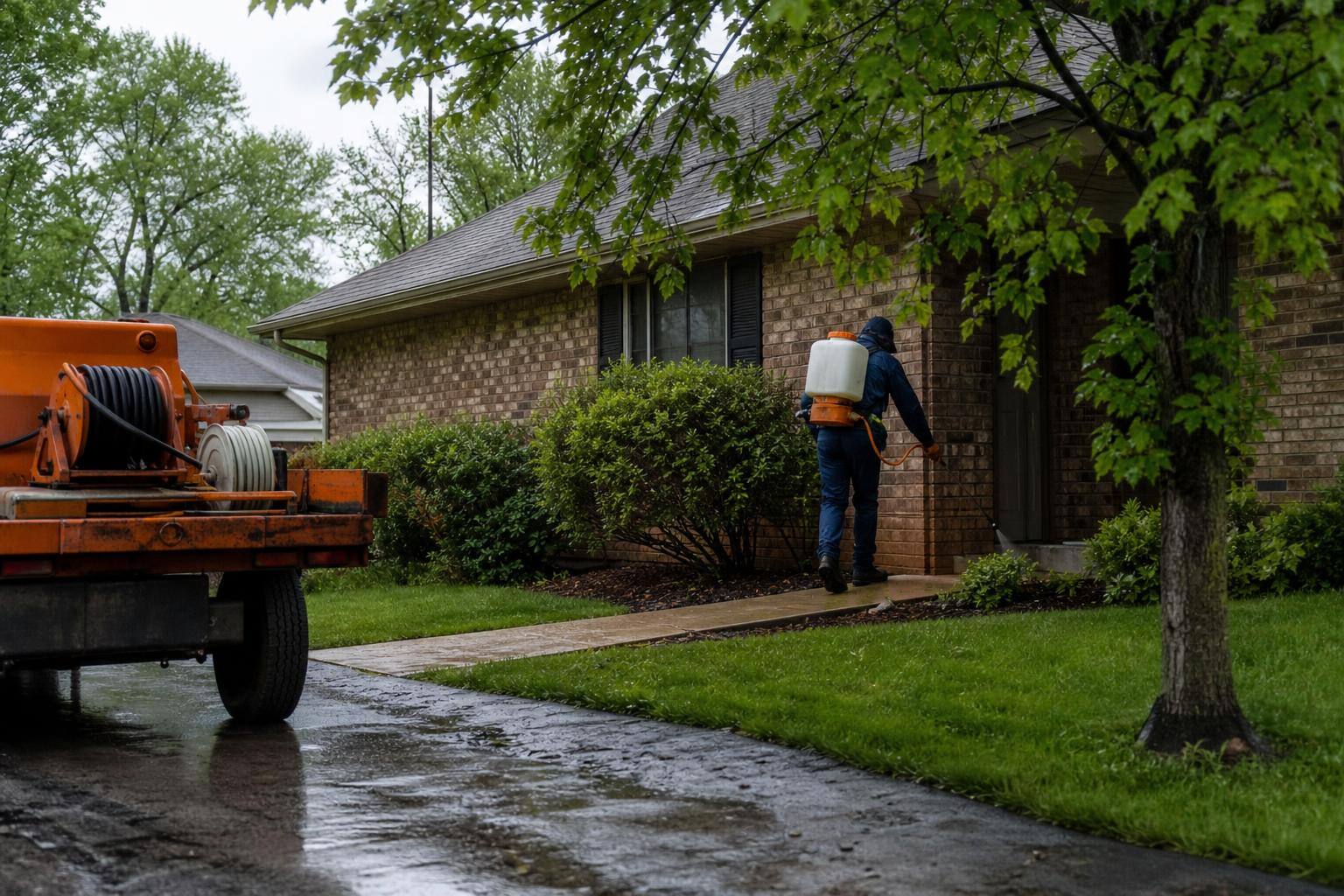
Flea treatment service · Hudson Falls, NY
Riverfront homes near the Hudson River can hold flea activity after spring flooding, especially around damp basements and pet areas. One call sorts the inspection and treatment scope.
A real person answers · No forms · No waiting on a quote email
Plan
Older village houses, apartments, and floodplain properties often need a whole-home treatment when activity has moved beyond one room. The inspection determines the right visit.
Quote
The quote is given on the call and changes with treatment size, preparation, access, materials, and distance.
Time
The visit time is set on the call around access, household routines, pets, and current Hudson Falls conditions.
From the village center and River Street to homes near the Hudson River, treatment changes with older foundations, basement moisture, and pet traffic. Properties near the floodplain may need indoor inspection plus yard attention, while apartments and move-in homes often begin with focused rooms and flooring checks.
Services
Hudson Falls
Hudson Falls homes range from older village properties with settled foundations to apartments and river valley houses with basements, shaded yards, and changing moisture. Fleas can stay around flooring, pet bedding, crawl spaces, and outdoor resting areas. The work begins by checking where activity is present, then matching treatment to the rooms, animals, preparation, and access at the property.
For Hudson Falls houses, the work can cover affected rooms, flooring, pet resting places, basements, and other areas found during inspection.
Apartments near the Hudson Falls village center need room-by-room attention, with preparation shaped by shared entries, flooring, and landlord access rules.
A bedroom treatment targets flooring, bed-adjacent areas, and harborages where activity is found, including rooms in older Hudson Falls homes.
Pet bedding, resting corners, porches, and shaded ground around Hudson Falls homes are checked before treatment is focused on active harborages.
Yards near the Hudson River can stay shaded and damp after wet weather, so outdoor work examines pet paths, resting spots, and sheltered edges.
A move-in inspection helps identify activity before belongings arrive, useful for Hudson Falls apartments, older village houses, and previously occupied rentals.
Commercial spaces in Washington County need treatment planned around occupied rooms, stored goods, access points, and any pet or wildlife connection.
The inspection is the usual starting point for Hudson Falls jobs because older foundations, floodplain moisture, and pet movement can make visible activity misleading. A single-room treatment fits contained problems, while broader findings call for whole-home or yard work.
A pest professional checks indoor rooms, pet resting areas, flooring, and outdoor locations for flea activity.
An inspection suits a Hudson Falls move-in, a basement sighting after wet weather, or an uncertain flea report. Indoor rooms, pet areas, flooring, and outdoor locations are checked.
Treatment targets one affected room and its common flea harborages after the area is prepared.
This fits a contained bedroom or apartment room when inspection findings show activity in one area and preparation can be completed without expanding the work.
The service treats affected indoor areas throughout the home based on inspection findings and preparation needs.
Older Hudson Falls houses with activity across bedrooms, living areas, and basement routes may need treatment throughout affected indoor spaces based on inspection findings.
Indoor and outdoor treatment addresses pet areas, shaded harborages, and other locations supporting flea activity.
River valley properties with pet activity indoors and shaded outdoor harborages may need both areas addressed, especially where spring flooding leaves damp edges.
Cost
The exact quote is given on the call after the job is described. Cost depends on the treatment tier, affected rooms and yard areas, preparation, parts and materials, time on site, access around the Hudson River valley, distance, and after-hours work.
The number of affected rooms, pet areas, basement spaces, and outdoor harborages changes the work size and time required at a Hudson Falls property.
Narrow entries, stairs, crawl spaces, occupied apartments, floodplain roads, and parking distance from the work area can affect access and time on site.
Parts and materials vary with the treatment approach, surface conditions, preparation needs, and whether indoor areas, pet spaces, or yard harborages require attention.
Wet spring ground, winter access, humid summer conditions, after-hours work, and travel from the Hudson Falls setting can all affect the quoted cost.
To avoid surprise charges, describe every affected room, pet area, yard concern, access limitation, and prior treatment on the call. The exact quote is set before the visit based on those details.
What goes in
This covers fleas found on flooring, in bedrooms, basements, or living spaces. A typical Hudson Falls load is an older village home with activity moving from a damp basement into occupied rooms.
This covers activity around bedding, resting corners, porches, and animal access routes. Hudson Falls homes with indoor pets and shaded river valley yards may need both areas inspected.
This covers outdoor harborages near pet paths, shaded edges, and damp ground. Spring flooding around Hudson Falls can leave yard conditions that help activity persist near the home.
Not accepted. Treatment does not cover unrelated pests, unsafe access areas, unattended animals, hazardous materials, or belongings that prevent inspection and preparation of the affected space.
Projects
Bedroom work focuses on flooring and nearby harborages. In Hudson Falls homes, basement moisture or pet movement may require checking adjoining rooms.
Apartment treatment is planned around shared entries, flooring, and landlord rules, including rentals near the Hudson Falls village center.
Whole-home work suits Hudson Falls houses where activity reaches several rooms, basement routes, pet areas, or floors connected by older foundations.
Pet-area work examines bedding, resting corners, porches, and access routes around Washington County homes, then matches treatment to inspection findings.
Yard treatment addresses shaded harborages and pet paths near Hudson River properties, where damp ground can remain after spring flooding.
A move-in service checks an empty or partly empty Hudson Falls home or apartment before furniture covers flooring and room edges.
Commercial work in Washington County is arranged around occupied spaces, storage, access, and any animal or wildlife connection affecting the premises.
Describe the Hudson Falls property, where activity appears, the building type, and whether the concern is indoors, outdoors, or both.
Share pet routines, bedding locations, basement moisture, flooding history, flooring, prior treatment, and rooms where people or animals spend time.
Move items as directed, provide access to floors and harborages, secure pets, and keep people clear of the work area.
The professional treats areas supported by inspection findings and explains practical prevention steps for rooms, pet areas, and outdoor harborages.
Weather
Cold snowy winters can restrict outdoor access and keep activity less visible, while humid summers support flea activity around pets and shaded ground. Spring flooding in the Hudson River valley can add moisture near foundations and yards, so treatment planning considers current ground and basement conditions.
Placement
Work may occur around flooring, basements, slabs, crawl spaces, utility rooms, pet resting areas, and yards. Stored belongings, narrow stairs, standing water, snow, locked rooms, and limited parking can restrict access at Hudson Falls properties.
Permits
Flea treatment at a private Hudson Falls property generally does not involve a local building permit, but street access, vehicle placement, or unusual public-space work may require direction from the Village of Hudson Falls or the Town of Queensbury. The details can be reviewed on the call, including who must arrange any required approval or inspection.
Washington County landlords, covenants, and homeowner associations may set rules for pesticide notices, pets, entry, or outdoor work. Tenants should confirm property access and treatment requirements with the owner or manager before the visit.
Clear a path to affected rooms, basements, crawl spaces, utility areas, and pet locations. Provide practical parking for the work vehicle, keep people and animals away, and account for snow, wet ground, flooding, and slippery access around Hudson Falls properties.
Service covers the village center, River Street, riverfront properties, residential sides of Hudson Falls, and nearby homes in the Hudson River valley. Work can also be arranged for surrounding Washington County locations and close-by areas such as Fort Edward when the property details and travel distance are reviewed.
Not sure about your street? Ask on the call and we will tell you which office handles it.
Timing
Flea work in Hudson Falls often increases during humid summer conditions, when pets and people use yards more often. Spring flooding can expose damp foundation areas and shaded outdoor harborages. Winter snow drives activity indoors and can make outdoor inspection harder, so the current property conditions matter when the visit is planned.
Thawing snow and spring flooding can leave wet soil, damp basements, and muddy access near the Hudson River. Describe standing water, foundation seepage, and yard conditions before outdoor treatment is planned.
Humid summers can increase activity around pets, shaded porches, and protected yard edges. Keep track of where animals rest and where people notice bites or flea movement around the Hudson Falls home.
Service area
Hudson Falls is part of our Washington County coverage, and we also serve the neighboring communities below.
Why us
Hudson Falls properties near the Hudson River can combine older foundations, damp basements, shaded yards, and spring flood conditions. That makes a room-only assumption risky when fleas are also found around pets or lower-level access points.
Getcha Pest Control · Hudson Falls
The village includes apartments, older homes, and properties with different parking and entry layouts. Treatment planning accounts for stairs, shared access, flooring, stored belongings, pet routines, and the route from the vehicle to the work area.
Click Here to Call (888) 510-9023FAQs
Still have a question about Hudson Falls? Call (888) 510-9023 and ask a real person.
The exact quote is given on the call. Cost depends on the treatment tier, affected rooms and yard areas, preparation, parts and materials, time on site, access, distance, and after-hours work around the Hudson Falls property.
The inspection is the usual starting point when the source is uncertain. A single-room treatment fits contained activity, while a whole-home or home and yard treatment fits findings across rooms, pet areas, basements, or outdoor harborages.
The visit time is set on the call because access, preparation, current weather, and the type of treatment all matter. Ask about available scheduling, including same-day or next-day possibilities, without assuming a timing promise.
Treatment covers areas supported by inspection findings, such as indoor rooms, flooring, pet resting spaces, basements, shaded yard harborages, and other locations connected to flea activity at the property.
It does not cover unrelated pests, unsafe access, hazardous materials, unattended animals, or belongings blocking the affected area. It also does not replace needed repairs for moisture, flooding, or foundation conditions.
Private flea treatment generally does not need a building permit, but street placement or unusual public-space access may involve the Village of Hudson Falls or Town of Queensbury. The call can clarify who handles any required approval.
Provide a clear route to affected rooms, floors, basements, crawl spaces, utility areas, pet spaces, and yards. Move stored items as directed, secure pets, and identify stairs, locked areas, snow, standing water, or limited parking.
Have the property type, affected rooms, pet information, flooring, basement or crawl-space details, outdoor concerns, prior treatment, flooding history, and access limitations ready to describe.
Yes. Snow, spring flooding, wet ground, and humid summer conditions can change outdoor access and where activity is likely to remain. Describe current basement, yard, and driveway conditions when setting the visit.
They may need a broader inspection because floodplain moisture, damp foundations, shaded yards, and pet activity can connect indoor and outdoor harborages. The inspection determines whether a room, whole-home, or home and yard treatment fits.
A real person answers · No forms · Every quote given on the phone