Home flea treatment
Home treatment in Lake Park follows inspection findings, including bedrooms, finished rooms, basements, and pet resting areas in seasonal houses.
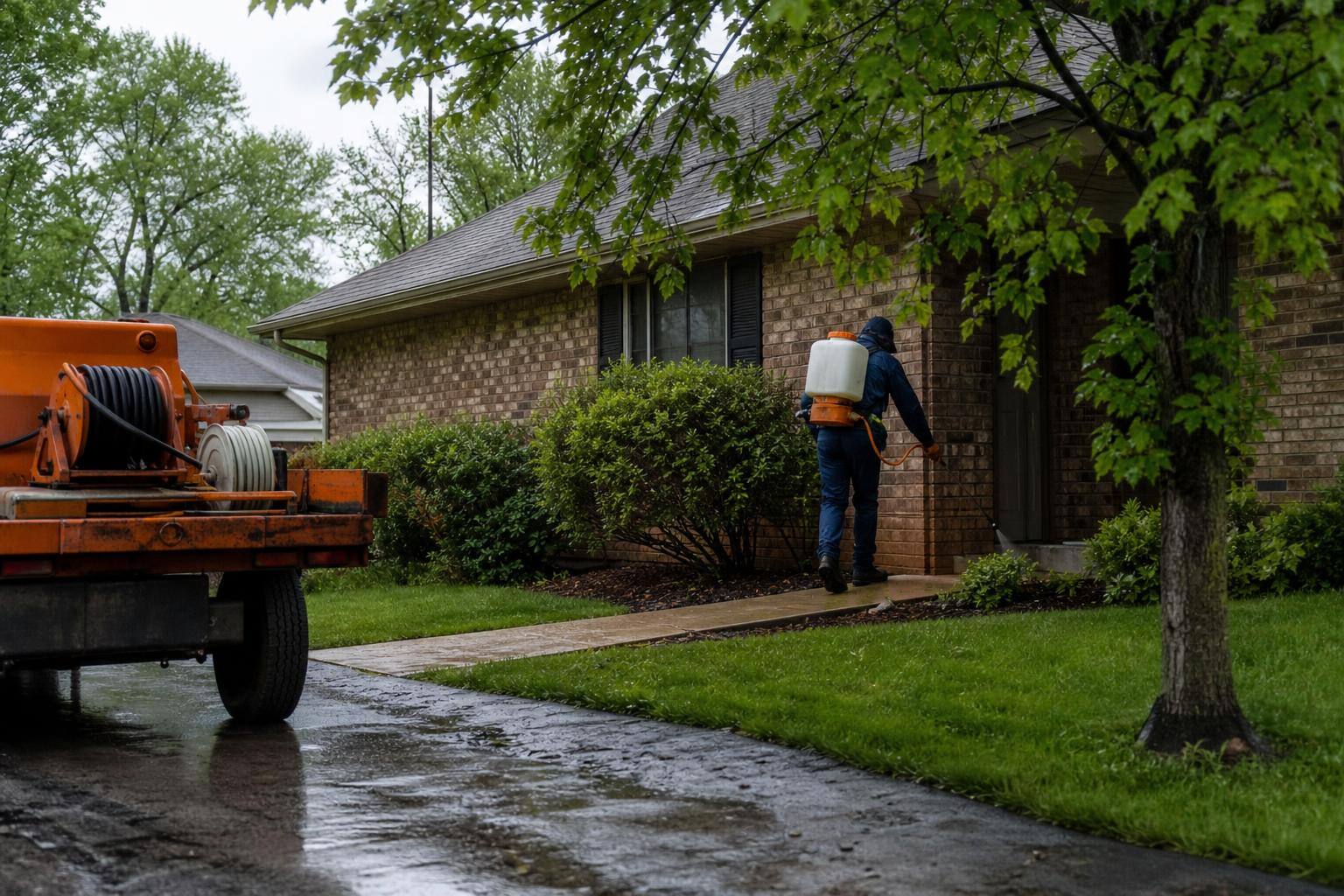
Flea treatment service · Lake Park, IA
Lake Park lakefront homes with seasonal occupancy can bring fleas back after a quiet winter, especially around pet bedding and shaded entry areas. One phone conversation gets the inspection or treatment matched to the property.
A real person answers · No forms · No waiting on a quote email
Plan
For a seasonal lake home, an inspection or whole-home treatment usually fits better than treating one room without checking pet areas and closed-up spaces.
Quote
The exact quote is given on the call, based on treatment size, preparation, access, materials, and distance.
Time
The visit time is set on the call around occupancy, property access, and current road conditions.
Flea work in Lake Park covers lakefront homes, the town center, homes on the residential edges, apartments, and seasonal properties near Dickinson County recreation areas. The visit may involve bedrooms, basements, pet resting places, entry floors, crawl spaces, and shaded yard areas where fleas can remain between occupancies.
Services
Lake Park
Lake Park homes are not all occupied on the same schedule. A lake property may sit closed, then receive pets, luggage, and visitors in a short stay. Humid summers support flea activity around shaded exterior areas, while heavy soil and spring ponding can make yard access uneven. Indoor treatment is planned around flooring, basements, utility rooms, and the areas pets actually use.
Home treatment in Lake Park follows inspection findings, including bedrooms, finished rooms, basements, and pet resting areas in seasonal houses.
Apartment flea treatment separates the affected living area from shared halls and neighboring units, with access planned around Lake Park building conditions.
A bedroom treatment targets flooring, edges, furniture gaps, and nearby pet bedding where Lake Park residents notice bites or flea activity.
Pet-area work focuses on bedding, crates, rugs, and shaded resting spots at Lake Park homes, including properties occupied only seasonally.
Outdoor treatment addresses shaded harborages and pet-use areas around Lake Park yards, with heavy soil and spring ponding considered before placement.
A move-in inspection checks an empty or recently vacated Lake Park home before furniture, luggage, and pets bring activity into new rooms.
Commercial service can address offices, rental properties, and other Lake Park work areas where occupancy changes and access must be coordinated.
Most Lake Park jobs begin with an inspection because seasonal occupancy can hide activity until pets and people return. A whole-home treatment fits recurring indoor activity, while a home and yard treatment suits lake properties with outdoor pet areas.
A pest professional checks indoor rooms, pet resting areas, flooring, and outdoor locations for flea activity.
This is suited to a closed-up lake home, a move-in property, or a Lake Park residence where activity is suspected but the source is unclear.
Treatment targets one affected room and its common flea harborages after the area is prepared.
A single-room treatment fits a bedroom or isolated living area in Lake Park when inspection shows activity limited to one prepared room and its harborages.
The service treats affected indoor areas throughout the home based on inspection findings and preparation needs.
Whole-home treatment suits a seasonal Lake Park house where fleas have moved beyond one bedroom into connected rooms, basements, or several pet resting areas.
Indoor and outdoor treatment addresses pet areas, shaded harborages, and other locations supporting flea activity.
This option fits lake community properties with indoor activity plus shaded yards, pet paths, or outdoor resting places that can support fleas.
Cost
The exact quote is given on the call after the property and flea conditions are described. Cost depends on the treatment type and size, rooms and yard areas involved, preparation, materials, time on site, access, distance, and after-hours work.
The quote changes with an inspection, single-room treatment, whole-home treatment, or home and yard treatment, along with the number of affected areas.
Lake Park seasonal homes, basements, crawl spaces, heavy soil, and spring ponding can change how the technician reaches indoor and outdoor treatment areas.
Parts and materials are not the same for every flea treatment. Preparation needs, harborages, flooring, pet areas, and time on site affect the work.
Distance from the Lake Park setting, property access, occupancy arrangements, and after-hours work can change the service cost and visit plan.
To avoid surprise charges, describe every affected room, pet area, yard concern, seasonal access issue, and known preparation limit on the call. The quote is set after those details are reviewed.
What goes in
Indoor activity can include bedrooms, rugs, basements, utility rooms, and floor edges. A typical Lake Park load is a seasonal home opened after months without regular occupancy.
Pet-area work covers bedding, crates, rugs, resting corners, and other locations used by animals. Describe the pet routine and where bedding stays between visits.
Yard problems may involve shaded harborages, pet paths, and damp areas near the home. Lake Park spring ponding and heavy soil can limit exterior access.
Not accepted. The service does not cover unrelated pests, unsafe work areas, inaccessible rooms, untreated neighboring properties, or disposal of household items and pet belongings.
Projects
Bedroom work targets flooring, edges, furniture gaps, and nearby pet bedding. In Lake Park homes, it may be the first sign activity returned after seasonal closure.
Apartment treatment focuses on the affected unit and its accessible areas, with scheduling coordinated around shared entryways and Lake Park occupancy.
Whole-home work suits Lake Park residences where fleas are found in bedrooms, living spaces, basements, or several pet-use areas.
Pet-area treatment addresses bedding, crates, rugs, and resting places in Lake Park homes, including properties near the lake with indoor and outdoor routines.
Yard work targets shaded harborages and pet-use locations. Heavy Dickinson County soil and spring ponding may affect exterior access.
A move-in inspection helps a Lake Park renter or seasonal owner identify activity before furniture, luggage, and pets occupy the property.
Commercial service fits Lake Park rental, office, and other work areas where changing occupancy requires a clear inspection and treatment plan.
A real person records the property type, occupancy pattern, affected areas, pet details, and whether the Lake Park site is accessible.
Explain flooring, basements, crawl spaces, bedding, outdoor pet areas, and any spring ponding or seasonal closure concerns.
Clear loose items, open agreed work areas, secure pets and people, and make rooms and pet harborages reachable.
The technician treats areas identified during inspection and explains practical steps for reducing flea harborages and keeping treated spaces available.
Weather
Lake Park winters bring cold and snow that can restrict exterior access, while spring ponding can leave heavy soil soft around yards. Humid summers may increase flea pressure around shaded pet areas. Seasonal properties should be checked for safe entry and usable outdoor footing before the visit is set.
Placement
Work may occur around bedrooms, slabs, basements, utility rooms, crawl spaces, pet bedding, and yards. Access can be limited by stored belongings, locked seasonal homes, snow, soft heavy soil, ponding, narrow entries, or areas that cannot be cleared safely.
Permits
Flea treatment at a private Lake Park property generally does not involve placing equipment in the street. If access, vehicle positioning, or temporary activity affects public property, ask the City of Lake Park about approval. The call can cover which party should arrange any local inspection or permission.
Some Dickinson County lake properties may have covenants, association rules, landlord requirements, or seasonal access policies. Renters and seasonal owners should review those rules before treatment, especially for exterior work and entry scheduling.
Clear a path to the affected rooms, pet areas, utility spaces, and any requested yard locations. Provide safe parking for the work vehicle, keep pets and people away, and mention snow, ponding, soft soil, locked buildings, or seasonal shutoffs before the visit.
Service covers Lake Park lakefront properties, the town center, residential areas on the east and west sides, seasonal homes, apartments, and nearby Dickinson County properties reached from Lake Park. Nearby linked communities include Saint Joseph, Saint Cloud, Huron, and Union.
Not sure about your street? Ask on the call and we will tell you which office handles it.
Timing
Flea activity in Lake Park often becomes more noticeable when seasonal homes reopen, pets return, and humid summer conditions support activity around shaded areas. Indoor concerns can continue through colder months in heated rooms, basements, and pet bedding. Spring access may need extra planning because ponding and heavy soil affect exterior work.
When a lake property opens after winter, an inspection can check bedrooms, floors, pet areas, and stored furnishings before regular occupancy resumes.
Humid summers can make shaded outdoor pet areas more relevant, while spring ponding and heavy soil may limit where exterior treatment can safely occur.
Service area
Lake Park is part of our Dickinson County coverage, and we also serve the neighboring communities below.
Why us
Lake Park seasonal homes need a different inspection than continuously occupied housing. Fleas may remain unnoticed while a property is closed, then show up after pets, luggage, and visitors return.
Getcha Pest Control · Lake Park
Local access matters around Dickinson County. Snow, spring ponding, heavy soil, humid summers, basements, crawl spaces, and shaded lake-property yards can all change where the flea treatment is performed.
Click Here to Call (888) 510-9023FAQs
Still have a question about Lake Park? Call (888) 510-9023 and ask a real person.
The exact quote is given on the call. Cost depends on whether the job is an inspection, single-room treatment, whole-home treatment, or home and yard treatment, plus affected areas, preparation, materials, access, distance, and after-hours work.
An inspection fits suspected activity or a seasonal property reopening. A single-room treatment fits isolated activity, while whole-home treatment or home and yard treatment fits findings across rooms, pet areas, and shaded exterior locations.
The visit time is set on the call after property access, occupancy, and current conditions are reviewed. Ask about the available schedule and explain if the home is seasonal, locked, or affected by snow or ponding.
The work covers the indoor and outdoor areas identified by the selected service, such as rooms, flooring, pet resting areas, shaded harborages, and other locations supporting flea activity. Preparation and access needs are reviewed before treatment.
It does not cover unrelated pests, unsafe or inaccessible areas, untreated neighboring properties, or disposal of household items and pet belongings. Pet care and personal belongings remain the property owner's responsibility.
Private flea treatment generally does not require a local permit or inspection. If work affects public space or unusual access arrangements, ask the City of Lake Park, and discuss who handles any required approval on the call.
Clear loose items and provide access to affected floors, bedrooms, basements, utility rooms, crawl spaces, pet bedding, and yard areas. Secure pets and people, and explain locked rooms or seasonal access limits before the visit.
Have the property location, occupancy pattern, affected rooms, pet details, flooring types, basement or crawl-space information, outdoor concerns, and access restrictions ready. Mention whether the Lake Park home has been closed for a season.
Yes. Snow, spring ponding, heavy soil, and humid summer conditions can affect exterior access and where yard work is practical. Indoor treatment still depends on safe entry, room preparation, and access to the affected areas.
Activity may remain unnoticed while the home is closed, then become apparent when pets and people return. An inspection can check bedrooms, flooring, pet areas, basements, and likely outdoor harborages before regular occupancy.
A real person answers · No forms · Every quote given on the phone