Residential spider control
Residential control for Perryman homes considers basements, crawl spaces, porches, garages, and damp foundation edges where spiders can shelter.
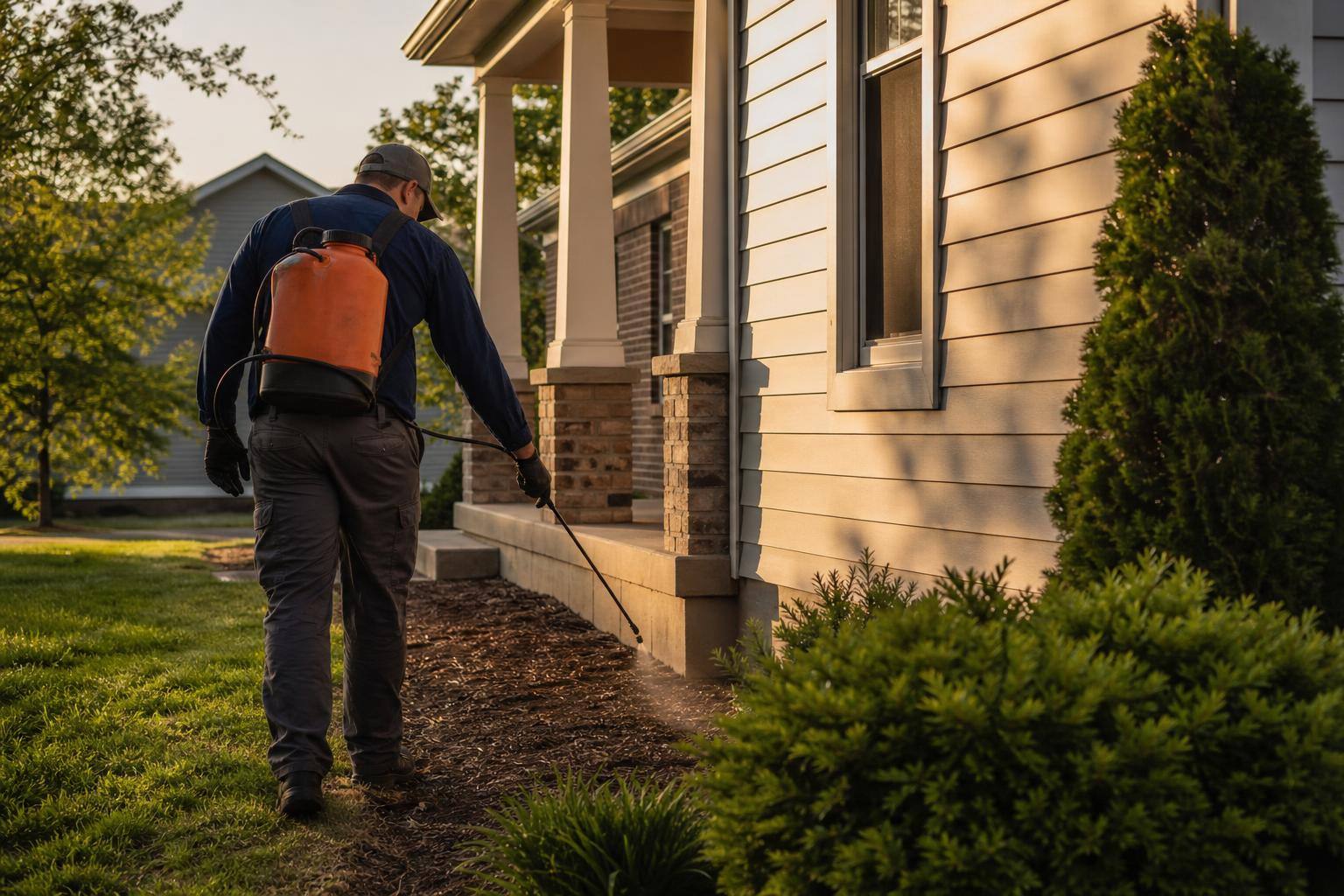
Spider control service · Perryman, MD
Industrial peninsula properties near Perryman’s tidal wetlands often collect webs around doors, lights, and utility areas. One phone call gets the spider treatment matched to the site.
A real person answers · No forms · No waiting on a quote email
Plan
For Perryman homes, garages, and industrial buildings, the inspection or targeted treatment usually fits first, with whole-home treatment for activity across several areas.
Quote
The quote is given on the call and changes with treatment size, activity, access, materials, and distance.
Time
The visit time is set on the call around site access, occupants, weather, and any operating restrictions.
Spider work around Perryman Road, Spesutia Road, and the industrial peninsula is shaped by wet ground, tidal drainage, storage buildings, and exterior lighting. Homes near low ground may need indoor checks as well as perimeter treatment, while commercial sites often need work coordinated around loading areas, utility rooms, and working crews.
Services
Perryman
Perryman combines older homes, apartments, garages, industrial buildings, and open peninsula lots beside wet drainage. Spiders can use sheltered eaves, foundation gaps, stored materials, utility rooms, and exterior lights. A treatment plan depends on whether activity is inside, around one structure, or spread across a residential or commercial property near Perryman’s tidal wetlands.
Residential control for Perryman homes considers basements, crawl spaces, porches, garages, and damp foundation edges where spiders can shelter.
Indoor treatment checks Perryman attics, utility rooms, basements, and corners around doors for active spiders, webs, and attracting conditions.
Outdoor treatment addresses webs and travel routes around Perryman siding, entry doors, lighting, sheds, and wet ground near the peninsula.
Web removal clears visible webs from Perryman eaves, windows, railings, and exterior fixtures while the technician checks why they are returning.
Recurring prevention suits Perryman properties where humid weather, outdoor lighting, and repeated activity keep bringing spiders back around structures.
Property managers in Perryman can arrange treatment for apartments, shared entrances, utility areas, and exterior common spaces with access planned around residents.
Commercial treatment for Perryman warehouses and industrial buildings accounts for loading areas, storage, utility spaces, and worksite access near tidal ground.
The most common Perryman jobs start with an inspection or targeted treatment around a home, garage, or commercial entrance. Whole-home treatment fits activity across connected areas, while recurring prevention is better for properties repeatedly affected by wet conditions and exterior shelter.
A technician checks common hiding areas, identifies spider activity, and looks for conditions attracting spiders.
An inspection fits a Perryman home, garage, or industrial office when the source is unclear. The technician checks hiding areas, identifies activity, and looks for conditions attracting spiders.
A targeted treatment addresses visible activity in selected indoor or outdoor areas and may include web removal.
A targeted treatment suits visible webs around a Perryman entry, porch, garage, or selected commercial area. It addresses chosen indoor or outdoor locations and may include web removal.
A whole-home service treats interior and exterior areas where spiders commonly travel, shelter, or build webs.
A whole-home treatment fits a Perryman house with activity in several rooms, the basement, attic, garage, and exterior. Interior and exterior travel and shelter areas are treated.
A recurring plan uses scheduled inspections and perimeter treatments to help reduce repeat spider activity.
Recurring prevention suits Perryman buildings beside wet lowlands or industrial lots where activity returns. Scheduled inspections and perimeter treatments help reduce repeat spider activity.
Cost
The exact quote is given on the call after the job is described. Cost depends on the type and size of treatment, indoor or outdoor areas, spider activity, parts and materials, time on site, access, distance, and after-hours work.
Cost changes with an inspection, selected-area treatment, whole-home work, or recurring prevention across a Perryman residence or commercial building.
Distance to Perryman’s industrial peninsula, restricted loading areas, wet ground, stairs, stored materials, and limited parking can change time on site.
Parts and materials depend on the treatment plan, the areas involved, web removal needs, and conditions found around the building.
Indoor occupants, operating businesses, after-hours access, weather, and the amount of active spider activity all affect the work and quote.
Describe every affected area during the call, including webs, sightings, access limits, pets, and commercial restrictions. The exact quote is given before the visit, based on the information available and the approved treatment plan.
What goes in
This covers spiders or webs in Perryman homes, apartments, attics, basements, garages, and utility rooms, including activity around stored household items.
This covers webs on Perryman porches, doors, windows, lighting, siding, sheds, and commercial exteriors, including areas near industrial loading activity.
This covers repeat activity around Perryman properties affected by humid air, wet lowlands, exterior lights, sheltering materials, or open perimeter ground.
Not accepted. The service does not cover unrelated pests, unsafe work areas, inaccessible spaces, or materials and conditions outside the approved spider treatment plan.
Projects
Attic treatment checks rafters, insulation edges, vents, stored items, and access points in Perryman homes where warm, sheltered spaces support webs.
Basement work examines corners, utility penetrations, sump areas, and foundation edges, with attention to the wet ground conditions common around Perryman.
Garage treatment addresses door tracks, stored materials, exterior lights, and wall edges for Perryman homes, workshops, and detached structures.
Exterior work treats selected siding, eaves, windows, porches, and entry lights around Perryman houses exposed to humid air and wet drainage.
Web removal targets visible webs on Perryman doors, railings, fixtures, eaves, and commercial exteriors while checking the nearby shelter conditions.
Apartment treatment can cover unit interiors, shared entrances, storage areas, and building edges in Perryman, with access arranged around residents and management.
Commercial treatment suits Perryman industrial buildings, offices, warehouses, and loading areas where lighting, stored materials, and tidal wetland surroundings affect activity.
A real person answers by phone. Describe the Perryman property, the spider concern, and whether the work is residential, managed, or commercial.
Share where webs or spiders appear, how often they return, affected rooms, exterior areas, access limits, and any wet or sheltered conditions.
The technician matches the job to an inspection, targeted treatment, whole-home treatment, or recurring prevention and provides the exact quote on the call.
The approved work addresses the selected areas, may include web removal, and can identify perimeter conditions that support repeat spider activity.
Weather
Perryman’s humid summers can support spider activity around shaded walls, lights, and sheltered exterior spaces. Coastal storms and saturated ground near tidal drainage may affect access, outdoor placement, and the condition of foundation edges. The visit is set around current site conditions.
Placement
Work may occur in crawl spaces, on slabs, in basements, utility rooms, garages, yards, eaves, and entry areas. Stored materials, narrow access, wet ground, active loading zones, pets, and occupied rooms can limit where the technician works.
Permits
Spider treatment on private property generally does not require a local government permit, but unusual work affecting public space, street placement, or a managed industrial site can require approval. The City of Perryman is not an incorporated municipality, so the relevant Harford County office or property authority should be checked. The call covers who needs to arrange it.
Harford County homeowners associations, covenants, landlords, and property managers may set rules for exterior treatment, entry access, notices, or contractor parking. Check those requirements before scheduling work at a managed Perryman property.
Keep a clear path to the affected rooms, crawl-space openings, basements, utility areas, shutoffs, and exterior walls. Provide parking for the work vehicle, keep pets and people clear, and mention saturated ground, storm damage, locked areas, or active loading operations.
Service covers Perryman homes, apartments, garages, yards, and industrial properties along Perryman Road, Spesutia Road, and the peninsula’s commercial areas. Nearby Harford County locations can also be discussed, including Abingdon and Rising Sun. Properties near Bush River drainage, tidal wetlands, or active loading corridors receive access planning suited to the site.
Not sure about your street? Ask on the call and we will tell you which office handles it.
Timing
Spider activity in Perryman often becomes more noticeable during humid summer weather, when exterior lights, eaves, and damp perimeter areas support webs. Activity can also shift indoors during cooler weather. Coastal storms and wet lowlands may change access around foundations, yards, and industrial properties, so conditions are reviewed when the visit is arranged.
Summer humidity can increase webs around Perryman doors, lights, eaves, sheds, and commercial walls. Outdoor treatment may need attention to shaded areas and wet ground near tidal drainage.
Coastal storms can leave yards, slabs, and foundation edges wet or difficult to reach. Describe standing water, storm debris, and restricted industrial access so the work area can be planned properly.
Service area
Perryman is part of our Harford County coverage, and we also serve the neighboring communities below.
Why us
Perryman’s industrial peninsula places commercial buildings, storage areas, lighting, and loading zones close to tidal wetlands. Spider work has to account for those sheltered edges and for access that may change around active operations.
Getcha Pest Control · Perryman
Wet lowlands and Chesapeake drainage can leave foundation edges, yards, and slabs saturated after storms. The treatment plan should distinguish indoor activity from exterior sources instead of treating every Perryman property the same way.
Click Here to Call (888) 510-9023FAQs
Still have a question about Perryman? Call (888) 510-9023 and ask a real person.
The exact quote is given on the call. Cost depends on the treatment type and size, indoor or outdoor areas, activity level, parts and materials, time on site, distance, access, and after-hours work. Perryman’s industrial peninsula may also require planning around loading areas or restricted parking.
An inspection fits an unclear sighting, targeted treatment fits selected webs or active areas, whole-home treatment fits activity across several connected spaces, and recurring prevention fits repeat problems. The technician uses the building type, affected areas, and conditions around your Perryman property to recommend the visit.
The visit time is set on the call because availability depends on the work type, access, weather, and operating restrictions. Share whether the property is a home, apartment, or industrial building, and mention any after-hours or loading-area requirements.
Spider treatment can cover selected indoor or outdoor areas where spiders travel, shelter, or build webs. Depending on the approved service, that may include rooms, basements, garages, eaves, entry doors, lights, siding, yards, and commercial exterior areas. Web removal may be included with a targeted treatment.
It does not cover unrelated pests, unsafe work areas, inaccessible spaces, or conditions outside the approved spider treatment plan. Describe other pest activity, locked rooms, stored materials, storm damage, and industrial restrictions during the Perryman booking call.
Private-property spider treatment generally does not need a local government permit or inspection. Work affecting public space, street placement, or a managed industrial site may require approval from the relevant Harford County office or property authority, and the call can clarify who arranges it.
Clear access to affected rooms, crawl spaces, basements, utility areas, shutoffs, and exterior walls. Keep pets and people away as directed, provide work-vehicle parking, and mention wet ground, locked areas, stored materials, or loading activity before the visit.
Have the property address, building type, affected rooms or exterior areas, recent sightings, web locations, access limits, pets, and preferred visit conditions ready. Commercial customers should also describe operating hours, loading areas, and any site rules.
Yes, humid summers can increase exterior webs, while coastal storms and saturated ground can limit access around foundations, yards, slabs, and industrial lots. Mention standing water, storm debris, or difficult approaches so the visit can be planned around the actual site.
Treatment can address selected accessible areas around Perryman properties near tidal wetlands, including exterior walls, lights, doors, eaves, and sheltered work areas. Saturated ground, protected drainage, active industrial operations, and limited access may affect placement and the treatment plan.
A real person answers · No forms · Every quote given on the phone