Residential ant control
Residential treatment for Charleston houses checks kitchens, porches, crawl spaces, and foundation edges where humid coastal conditions support recurring ant activity.
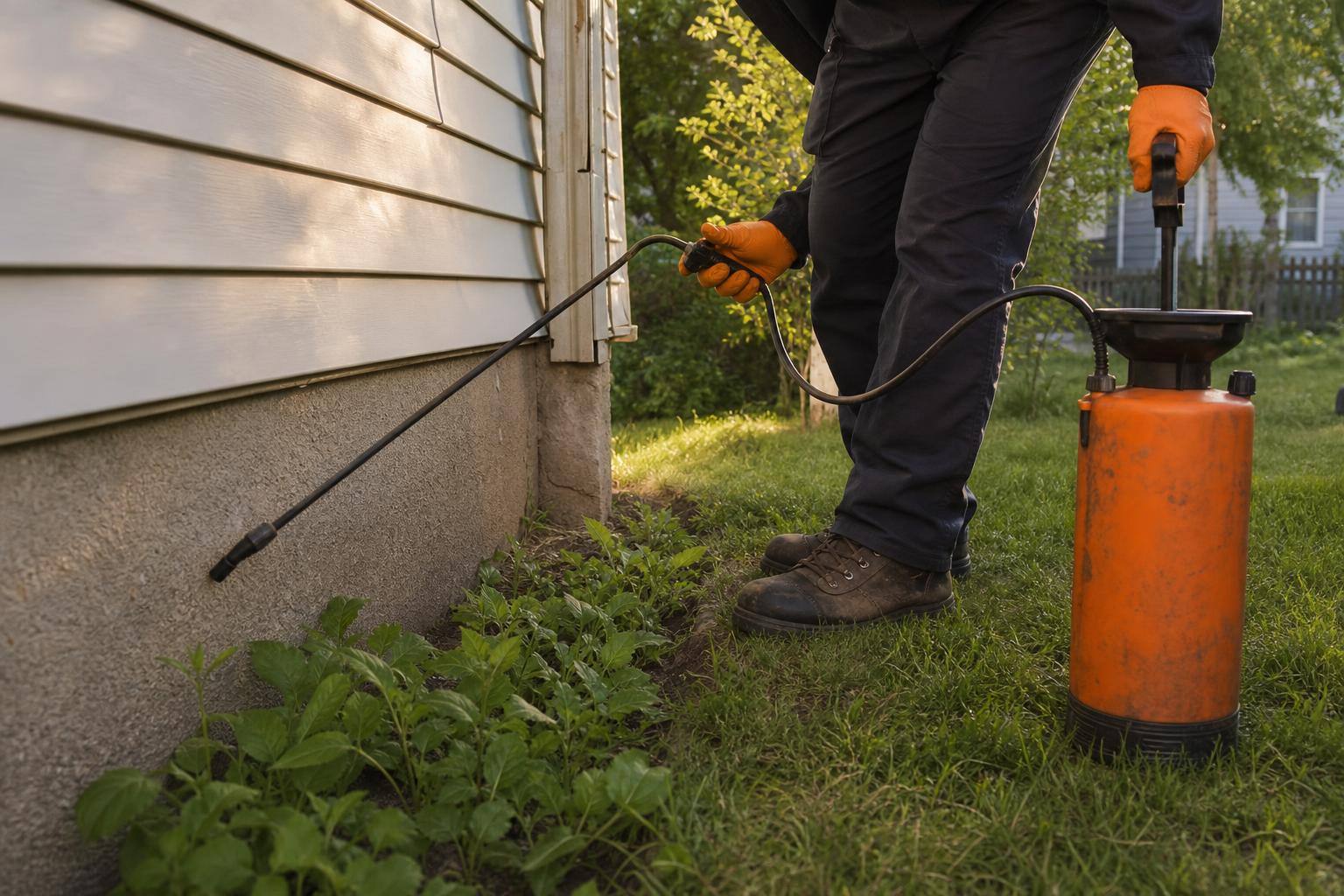
Ant control service · Charleston, SC
South of Broad homes can hide ant trails behind old trim after tidal moisture and storm exposure, so one call gets the right ant treatment sorted for the property.
A real person answers · No forms · No waiting on a quote email
Plan
Charleston kitchens, crawl spaces, and historic foundations commonly start with an inspection, then move to targeted treatment when entry points and nesting conditions are clear.
Quote
The exact quote is given on the call, based on property size, activity, access, treatment areas, materials, and distance.
Time
The visit time is set on the call around access to the home, work area, pets, and Charleston weather.
From South of Broad and Harleston Village to West Ashley, James Island, and Daniel Island, Charleston ant work must account for historic construction, crawl spaces, sandy ground, yards, and tidal moisture. Kitchen trails, foundation entries, and carpenter ant activity each need a different treatment approach.
Services
Charleston
Charleston homes range from historic houses with aging trim to newer properties on slabs, raised foundations, and filled coastal ground. Humid summers, salt air, sandy soils, tidal flooding, and hurricane moisture can keep entry areas damp. Treatment may focus on kitchen walls, crawl spaces, utility penetrations, foundation edges, porches, or commercial service areas where ants follow food and water.
Residential treatment for Charleston houses checks kitchens, porches, crawl spaces, and foundation edges where humid coastal conditions support recurring ant activity.
Kitchen treatment traces trails around cabinets, plumbing penetrations, windows, and baseboards in Charleston homes instead of treating only the visible ants.
Carpenter ant work in Charleston examines damp trim, roof leaks, porch framing, and crawl spaces around historic and storm-exposed homes.
Fire ant control addresses outdoor mounds in Charleston yards, sandy planting beds, play areas, and property edges where soil stays warm.
Outdoor treatment follows trails around Charleston foundations, patios, fences, utility lines, and landscaped areas before activity reaches the interior.
Commercial control in Charleston considers kitchens, service corridors, storage rooms, dumpsters, and customer areas where food and moisture draw ants.
Prevention visits monitor Charleston properties for new trails, damp entry points, and exterior nesting around foundations, porches, and utility penetrations.
Most Charleston jobs begin with an inspection because historic construction, raised foundations, sandy soil, and storm-related moisture can hide the source. A targeted treatment fits contained activity, while whole-home control or a prevention plan suits recurring trails across the property.
A technician identifies ant species, entry points, trails, and nesting conditions.
An inspection fits a first trail in a South of Broad kitchen, a West Ashley crawl space, or a Charleston County yard when the species and entry route are not clear.
Treatment addresses visible activity and accessible nesting or entry areas.
A targeted treatment suits visible kitchen activity, one foundation edge, or an accessible outdoor nest at a Charleston home when the problem remains contained.
A coordinated interior and exterior treatment targets recurring activity around the property.
Whole-home control fits recurring activity across a historic Charleston house, raised foundation, porch, yard, or multiple rooms where interior and exterior routes connect.
Scheduled visits monitor activity and refresh preventive treatments as needed.
A prevention plan suits Charleston properties with repeated summer activity, storm-related moisture, commercial exposure, or several treatment areas that need continued monitoring.
Cost
The exact quote is given on the call after the job is described. Cost depends on the type and size of the property, ant species and activity, interior and exterior areas, access, time on site, distance, after-hours work, and parts or materials used.
Prices change with the property size, ant species, number of trails, nesting conditions, and whether Charleston activity is limited to one room or spread outside.
Crawl spaces, tight historic construction, raised foundations, gated yards, parking limits, and travel from the Charleston service area can change the work involved.
Parts and materials depend on the treatment areas, accessible nesting conditions, application method, and whether interior and exterior locations both need attention.
Time on site and after-hours work affect cost, especially when a Charleston commercial kitchen, apartment building, or storm-damp property needs careful access.
To avoid surprise charges, describe every active area, recent treatment, moisture issue, access limitation, and property type on the call. The exact quote is given before the visit is set.
What goes in
Indoor activity includes trails in kitchens, bathrooms, utility rooms, and living areas. Charleston homes may show ants after heavy humidity or water intrusion near old trim.
Outdoor nests include mounds and trails beside foundations, patios, fences, and planting beds. Sandy Charleston yards and warm soil can support activity near the house.
Carpenter ant work addresses activity near damp wood, roof leaks, porches, crawl spaces, and wall voids, a practical concern for storm-exposed Charleston homes.
Not accepted. Ant treatment does not cover unrelated plumbing, structural reconstruction, inaccessible concealed damage, hazardous materials, or pests outside the agreed treatment plan.
Projects
Kitchen control traces activity around cabinets, sinks, windows, and plumbing openings in Charleston homes, including older properties with layered trim and wall gaps.
Foundation control follows exterior trails along slabs, piers, porches, and crawl-space vents in Charleston and nearby Charleston County properties.
Carpenter ant control checks damp wood, roof edges, porch framing, and crawl spaces around historic Charleston houses exposed to storms and salt air.
Fire ant control treats outdoor problem areas in Charleston yards, sandy beds, pathways, and property edges where people and pets pass.
Yard control maps nests and trails around lawns, patios, fences, and foundations in West Ashley, James Island, and other Charleston areas.
Apartment control considers shared walls, kitchens, utility penetrations, tenant access, and recurring activity in Charleston rental properties.
Commercial control suits Charleston restaurants, offices, shops, and service spaces where food storage, drains, deliveries, and customer areas affect treatment access.
Describe the Charleston property, active rooms, outdoor areas, and any recent moisture or storm exposure when requesting the inspection.
Share photos if available, trail locations, timing, ant size or color, food sources, and whether activity returns after cleaning.
Review the recommended inspection, targeted treatment, whole-home control, or prevention plan and approve the work before the visit is set.
Follow preparation instructions, correct accessible moisture, seal food, and keep monitoring Charleston entry points after treatment.
Weather
Charleston heat and humidity increase ant activity, while heavy rain, tidal flooding, and hurricanes can shift nests and open new entry routes. Salt air and damp coastal materials also affect where trails appear. Weather and ground conditions are considered when the visit is arranged and treatment areas are reviewed.
Placement
Work may happen in kitchens, utility rooms, crawl spaces, basements where present, slab edges, porches, foundation walls, and yards. Historic Charleston construction, tight crawl-space openings, stored belongings, flood water, gates, and limited parking can restrict access to the active area.
Permits
Ant treatment at a private Charleston property generally does not require a street permit, but street-side equipment placement, public right-of-way use, or work tied to a larger building project may involve the City of Charleston or Charleston County. The call covers who checks requirements and who arranges any needed approval or inspection.
Charleston County neighborhoods, condominiums, and planned communities may have HOA or covenant rules for exterior applications, access, parking, or notices. Landlords and property managers may also require approval before treatment in rentals.
Clear access to the active room, crawl-space entry, foundation, yard, and nearby shutoffs where relevant. Provide parking for the work vehicle, keep pets and people clear, and mention flooding, wet ground, heat, wind, or storm conditions before the visit.
Service covers Charleston neighborhoods and settings including South of Broad, Harleston Village, West Ashley, James Island, Daniel Island, the peninsula, and areas across Charleston County. Nearby service discussions may also include Mount Pleasant, North Charleston, and other close-by communities depending on the property and travel distance.
Not sure about your street? Ask on the call and we will tell you which office handles it.
Timing
Charleston ant activity often builds through warm, humid spring and summer weather, with kitchens and foundations showing trails after rain. Outdoor nests may remain active in warm soil, while storms and tidal flooding can redirect ants toward raised homes, utility penetrations, and dry interior spaces. Commercial and rental properties may need attention whenever food and moisture persist.
Spring through summer brings heat, humidity, and active trails around Charleston kitchens, foundations, porches, and sandy yards. Treatment planning checks both the visible route and nearby nesting conditions.
Heavy rain, hurricanes, and tidal flooding can displace outdoor nests or increase dampness around crawl spaces and trim. Report recent water exposure so the work area and access plan reflect current conditions.
Service area
Charleston is part of our Charleston County coverage, and we also serve the neighboring communities below.
Why us
Charleston's historic homes often combine old trim, raised foundations, crawl spaces, porches, and later repairs. Ant treatment must follow those connections instead of stopping at the first visible kitchen trail, especially after humid weather or storm exposure.
Getcha Pest Control · Charleston
Coastal conditions change the exterior route. Sandy soil, salt air, tidal flooding, and hurricane rain can move nests toward drier walls and utility openings, so Charleston treatment checks yards, foundation edges, crawl spaces, and interior food or moisture sources together.
Click Here to Call (888) 510-9023FAQs
Still have a question about Charleston? Call (888) 510-9023 and ask a real person.
The exact quote is given on the call. Cost depends on property size, ant species, activity level, treatment areas, access, time on site, distance, after-hours work, and parts or materials. Describe whether the Charleston property is historic, raised, slab-built, commercial, or a rental so the work can be scoped accurately.
An inspection fits an uncertain first sighting, targeted treatment fits contained activity, whole-home control fits connected interior and exterior trails, and a prevention plan fits recurring problems. Charleston crawl spaces, old trim, sandy yards, and storm moisture can make a broader inspection useful before treatment is selected.
The visit time is set on the call, and availability depends on the work area, access, weather, and existing schedule. Mention active indoor trails, commercial operating hours, rental access, or recent flooding so the visit can be arranged around the property.
Treatment can address identified indoor activity, outdoor nests, carpenter ant problems, accessible entry points, visible trails, and agreed interior or exterior areas. The recommendation may cover a kitchen, foundation, crawl space, yard, commercial area, or several connected locations.
Ant control does not cover unrelated plumbing, structural reconstruction, hazardous materials, inaccessible concealed damage, or pests outside the agreed treatment plan. Leaks, damaged wood, flood repairs, and other building issues may need a separate trade before ant prevention can hold.
Private ant treatment generally does not need a permit, but street-side placement, public right-of-way use, or larger building work may involve the City of Charleston or Charleston County. The call covers who checks requirements and who arranges any needed approval or inspection.
Clear access to kitchens, utility rooms, crawl-space entries, foundation edges, and yards. Secure food, move stored items from baseboards, identify shutoffs where relevant, arrange parking, and keep pets and people away from the work area as directed.
Have the property address, property type, active rooms or outdoor areas, ant appearance, trail locations, recent treatments, moisture or storm history, access limits, and preferred visit constraints ready. Photos can help describe activity, but the inspection determines the treatment conditions.
Yes, heat, humidity, heavy rain, tidal flooding, and hurricanes can increase activity or move outdoor nests. Wet ground, wind, standing water, and damp crawl spaces may affect access and treatment planning, so mention recent weather and water exposure when arranging the visit.
Yes, treatment can be planned for historic Charleston homes by checking kitchens, old trim, porches, crawl spaces, foundations, and utility penetrations. Limited access, layered repairs, damp wood, and storm exposure can determine whether the work stays targeted or needs whole-home control.
A real person answers · No forms · Every quote given on the phone