Home flea treatment
Home treatment follows inspection findings through Charleston rooms, pet resting areas, flooring, and accessible harborages.
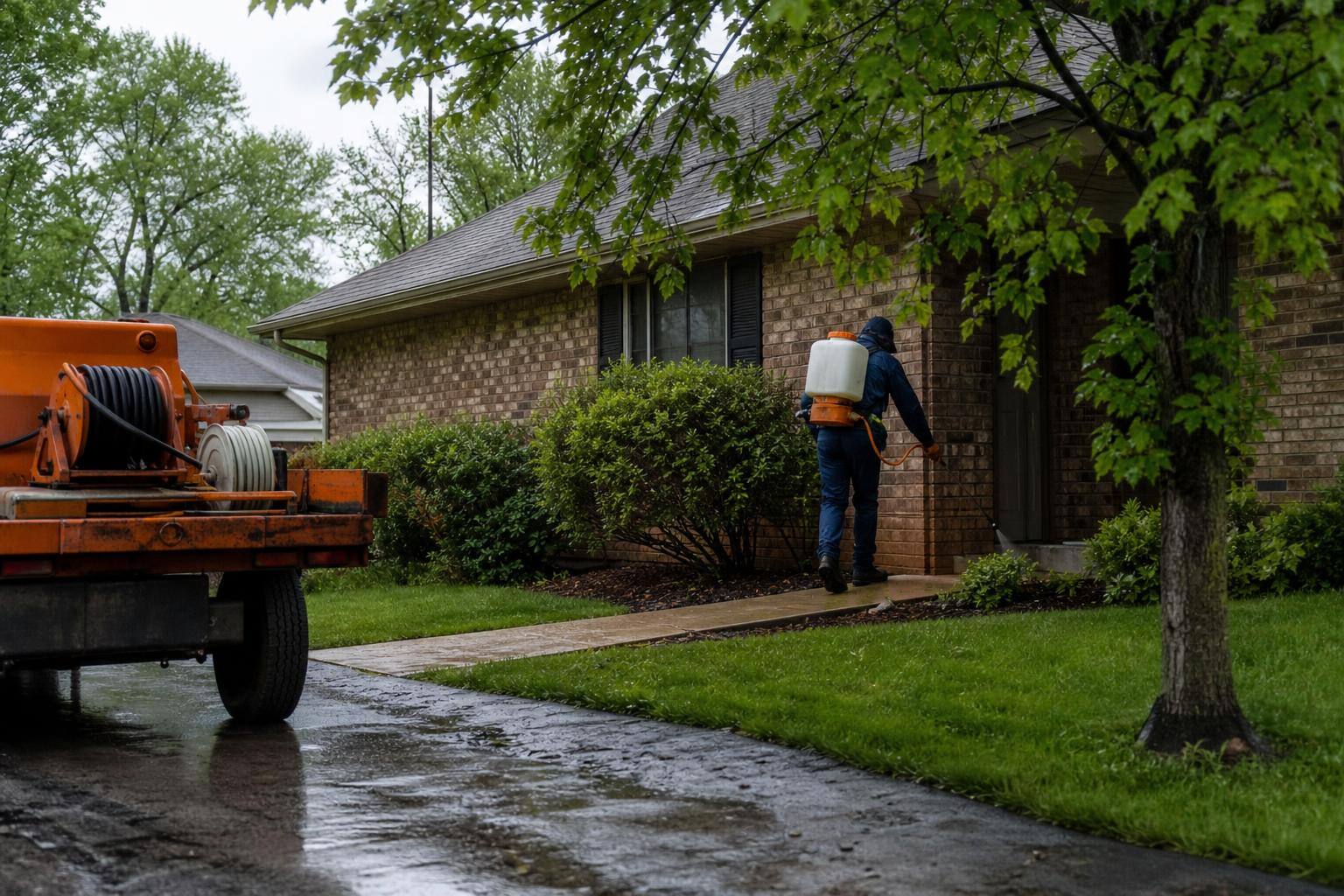
Flea treatment service · Charleston, SC
Historic Charleston homes in South of Broad can hold flea activity after tidal moisture reaches crawl spaces and pets use shaded porches. One phone conversation sorts the inspection and treatment path.
A real person answers · No forms · No waiting on a quote email
Plan
For Charleston apartments, raised homes, and storm-exposed yards, the inspection or whole-home treatment is usually selected after the property and flea activity are described.
Quote
The exact quote is given on the call, based on treatment size, access, materials, distance, and time on site.
Time
The visit time is set on the call around access, household needs, pets, and weather conditions.
From South of Broad and Harleston Village to West Ashley, James Island, and the Charleston peninsula, flea work changes with crawl spaces, porches, yards, and historic floors. The flea treatment is planned around pet resting areas, shaded harborages, tidal moisture, and the rooms that need preparation.
Services
Charleston
Charleston housing gives fleas plenty of places to persist, from old floor gaps and enclosed porches to crawl spaces below raised homes. In West Ashley and James Island, pets may move between indoor rooms and damp, shaded yards. Apartments and historic buildings require careful room-by-room planning so the treatment follows actual harborages rather than treating space that does not need it.
Home treatment follows inspection findings through Charleston rooms, pet resting areas, flooring, and accessible harborages.
Apartment treatment focuses on affected rooms, pet areas, and preparation limits common in Charleston peninsula buildings.
A bedroom treatment targets flooring and resting areas, useful in Charleston homes where pets spend much of the day indoors.
Pet-area work addresses bedding, resting spots, and nearby harborages around Charleston homes and shaded porches.
Outdoor treatment examines shaded yards and pet paths in Charleston, James Island, and other humid coastal settings.
A move-in inspection checks rooms, floors, pet areas, and outdoor locations before occupancy in Charleston apartments or homes.
Commercial service plans around affected rooms, access, and operating conditions in Charleston lodging, offices, and managed properties.
The most common Charleston jobs begin with an inspection because historic construction, crawl spaces, pets, and storm-related moisture can spread activity beyond the room where fleas are noticed. Treatment size follows what the inspection finds and what the property can be prepared for.
A pest professional checks indoor rooms, pet resting areas, flooring, and outdoor locations for flea activity.
An inspection checks indoor rooms, pet resting areas, flooring, and outdoor locations. It fits a Charleston move-in, a first report in a historic house, or uncertain activity after heavy rain.
Treatment targets one affected room and its common flea harborages after the area is prepared.
This treatment targets one affected room and common harborages after preparation. It suits a Charleston bedroom, apartment room, or enclosed porch where activity is contained.
The service treats affected indoor areas throughout the home based on inspection findings and preparation needs.
Whole-home treatment addresses affected indoor areas throughout the property based on inspection findings and preparation needs, including older Charleston homes with connected rooms and floor gaps.
Indoor and outdoor treatment addresses pet areas, shaded harborages, and other locations supporting flea activity.
This option treats indoor and outdoor locations, including pet areas and shaded harborages. It fits Charleston County homes where pets move between the house, crawl-space access, and humid yards.
Cost
The quote is given on the call after the property and flea conditions are described. Cost depends on the type and size of the job, affected rooms, parts and materials, time on site, distance, access, and after-hours work.
A single room, whole home, or home and yard treatment requires different preparation and work areas, especially in Charleston houses with connected historic rooms.
Crawl-space entries, raised foundations, narrow Charleston lanes, stairs, parking, and distance from the service route can change time on site and access needs.
Materials used for the treatment depend on inspection findings, flooring, pet areas, outdoor harborages, and the surfaces requiring work at the property.
After-hours work, heavy rain, tidal flooding, and storm conditions can affect scheduling, access, and the time required to work safely.
Describe the rooms, pet areas, yard conditions, access limits, and any recent storm or flooding issue on the call. The exact quote is set before the visit so the job size and possible charges are understood.
What goes in
Indoor activity includes fleas found in bedrooms, living areas, flooring, and other rooms. In Charleston homes, old floor gaps and enclosed porches can be part of the treatment area.
Pet-area activity includes bedding, resting spots, and routes between rooms and yards. A Charleston pet moving through a shaded crawl-space entrance can carry activity indoors.
Yard problems include shaded harborages and outdoor pet areas supporting flea activity. Charleston humidity, sandy soil, and storm-wet ground can keep these locations active.
Not accepted. The service does not cover unrelated pests, inaccessible areas, unsafe work conditions, or treatment of people and animals, and household items cannot be left in the treatment area.
Projects
Bedroom treatment focuses on flooring and resting areas. It fits Charleston homes where pets sleep indoors and activity stays concentrated near one room.
Apartment treatment follows inspection findings and preparation limits, useful in Charleston peninsula buildings with shared walls and compact access.
Whole-home treatment addresses affected indoor areas throughout a Charleston property, including connected rooms in older homes and houses in West Ashley.
Pet-area treatment focuses on resting spots and nearby harborages around Charleston homes, porches, and routes leading into the yard.
Yard treatment examines shaded outdoor locations supporting activity in Charleston County, including damp areas around pet paths and crawl-space entrances.
A move-in inspection checks the property before occupancy, useful for Charleston apartments, historic houses, and homes changing tenants.
Commercial service addresses affected rooms and access conditions for Charleston lodging, offices, and managed properties without treating unrelated areas.
A real person records the Charleston property type, affected locations, pet conditions, and whether indoor or outdoor activity is suspected.
Explain pet movement, flooring, crawl-space access, shaded yards, recent flooding, and any rooms where bites or flea activity were noticed.
Clear loose items, expose accessible floors and pet areas, and arrange for people and pets to remain away from work spaces.
The pest professional treats locations supported by inspection findings and discusses practical prevention steps for the home and yard.
Weather
Charleston heat and humidity can support persistent flea activity, while heavy rain and hurricanes can change yard conditions and access. Tidal flooding may leave damp areas around raised homes and crawl spaces. Weather is reviewed when the visit is set, especially for outdoor treatment.
Placement
Work may involve interior floors, bedrooms, pet resting areas, crawl-space entrances, slabs, basements where present, utility rooms, porches, and yards. Historic Charleston properties can have narrow access, stairs, enclosed additions, or low clearances. People, pets, stored items, and standing water can limit safe placement and movement.
Permits
Flea treatment at a private property generally does not involve a street permit, but blocked sidewalks, public right of way, or unusual placement questions belong with the City of Charleston or the relevant local government. The call covers what should be checked and who arranges any required approval or inspection.
Charleston County communities, condominiums, and historic districts may have HOA, covenant, landlord, or property-management rules about exterior work, access, parking, and notices. Have those requirements ready on the call so the treatment plan fits the property rules.
The work area needs clear access to affected rooms, pet areas, crawl-space entries, utility spaces, and any relevant shutoffs. Provide workable parking for the vehicle, keep people and pets clear, and mention narrow lanes, flooding, rain, sandy ground, or storm debris before the visit.
Service covers Charleston peninsula areas including South of Broad, Harleston Village, and the French Quarter, plus West Ashley, James Island, Johns Island, Daniel Island, and nearby Charleston County properties. Saint George, Elgin, Aiken, Wilmington, and Waxhaw are handled through their linked local pages.
Not sure about your street? Ask on the call and we will tell you which office handles it.
Timing
Flea activity can remain persistent through Charleston's hot, humid summers, especially where pets use shaded yards, porches, and crawl-space edges. Heavy rain and hurricanes can shift activity and access, while indoor activity may continue through cooler months. Seasonal conditions help determine whether indoor work, outdoor work, or both need attention.
Hot, humid Charleston weather supports activity around pet resting areas, shaded yards, and damp edges of raised homes. Outdoor conditions and indoor preparation are reviewed together when pets move between both spaces.
Heavy rain, hurricanes, and tidal flooding can change yard harborages and limit access around coastal properties. Share recent water exposure, standing water, debris, and crawl-space conditions when setting the visit.
Service area
Charleston is part of our Charleston County coverage, and we also serve the neighboring communities below.
Why us
Charleston's historic coastal housing often combines old flooring, enclosed porches, raised foundations, and crawl-space access. Those details change where fleas can harbor and whether a single room or broader treatment makes sense.
Getcha Pest Control · Charleston
On the peninsula, narrow streets and limited parking can affect access. In West Ashley, James Island, and Johns Island, pets may move between humid yards and indoor rooms, so outdoor harborages and indoor flooring are considered together.
Click Here to Call (888) 510-9023FAQs
Still have a question about Charleston? Call (888) 510-9023 and ask a real person.
The exact quote is given on the call. Cost depends on the treatment size, affected rooms, pet and yard conditions, materials, time on site, distance, access, and after-hours work. Historic construction, narrow access, or storm-related conditions can change the work required.
An inspection is the starting point when the source or spread is uncertain. A single-room treatment fits contained activity, whole-home treatment fits affected indoor areas, and home and yard treatment fits properties where pets move through shaded outdoor harborages.
The visit time is set on the call. Describe the affected rooms, pets, access, and weather conditions, and ask about available scheduling, including any same-day or next-day option you may need.
The flea treatment covers affected indoor rooms, pet resting areas, flooring, and outdoor locations supported by inspection findings. The selected service may focus on one room, the whole home, or the home and yard.
It does not cover unrelated pests, inaccessible or unsafe areas, people, animals, or household items left in the treatment area. Describe any unusual condition on the call before the work is planned.
Private flea treatment generally does not need a street permit, but public right of way, sidewalk obstruction, or unusual exterior placement may involve the City of Charleston or another local government. The call covers who should check and arrange any required approval.
Clear loose items from affected floors and rooms, expose pet resting areas, provide access to crawl-space or utility areas when relevant, and arrange for people and pets to stay clear during treatment.
Have the property type, affected rooms, pet details, flooring, yard conditions, recent bites or flea sightings, access limits, parking information, and any storm or flooding history ready for the call.
Hot humidity can support activity, while heavy rain, hurricanes, and tidal flooding can change outdoor harborages and access. Mention standing water, storm debris, wet crawl-space areas, and current yard conditions when scheduling.
Historic Charleston homes can require more careful planning because old floors, enclosed porches, raised foundations, narrow access, and crawl spaces create different harborages. The inspection determines whether activity is limited or extends through connected rooms and outdoor areas.
A real person answers · No forms · Every quote given on the phone