Home flea treatment
Indoor treatment follows inspection findings in Wilmington homes, including rooms, flooring, pet resting areas, and locations near crawl-space entries.
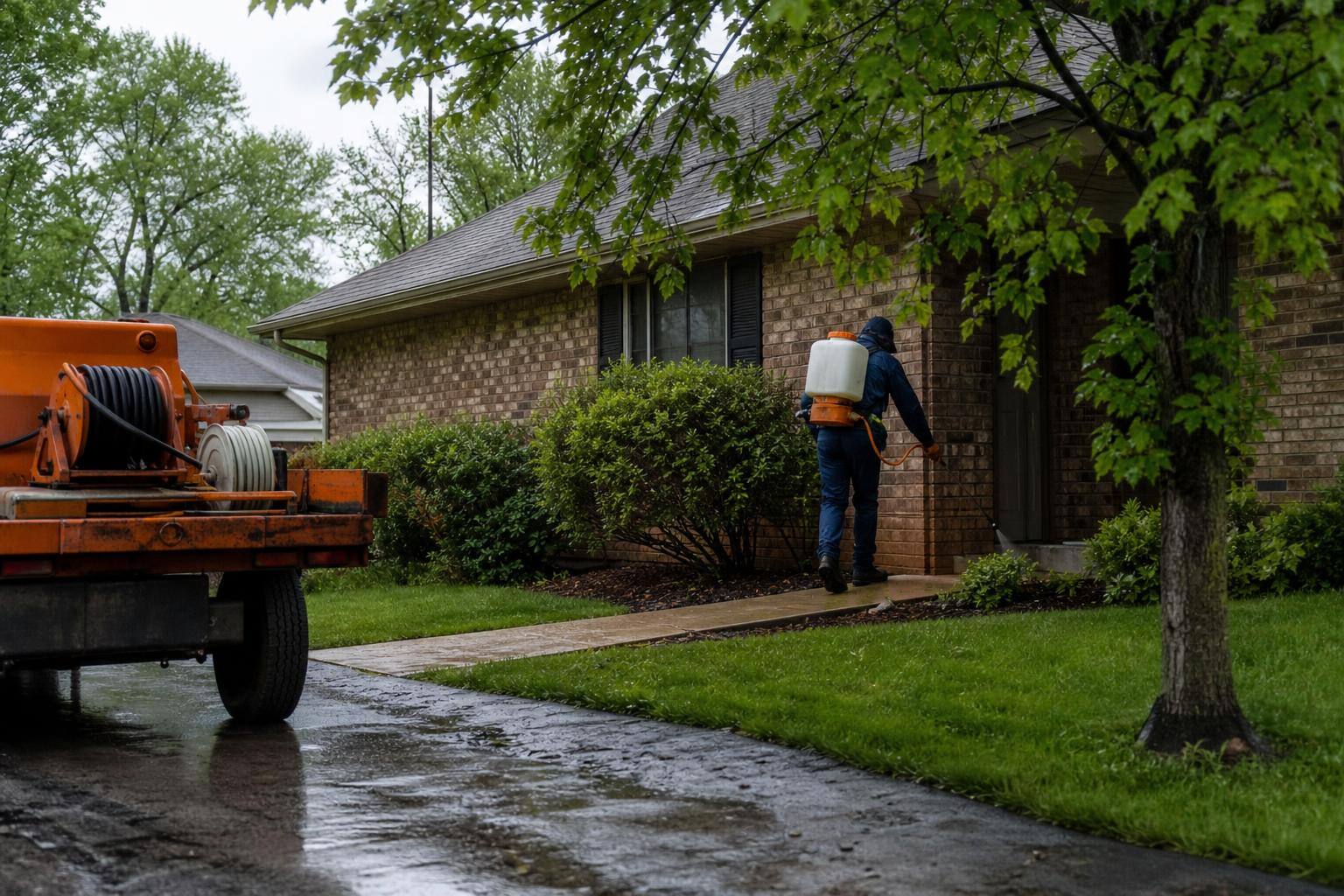
Flea treatment service · Wilmington, NC
In Carolina Place, a flea problem can follow pets through a storm-damp rental before the next tenant settles in. One phone call sorts the inspection, treatment scope, and preparation list.
A real person answers · No forms · No waiting on a quote email
Plan
For Wilmington apartments, older homes, and storm-prone rentals, the right visit may be an inspection, single-room treatment, or whole-home treatment based on pet areas and findings.
Quote
The exact quote is given on the call, based on treatment size, preparation, access, materials, distance, and any after-hours work.
Time
The visit time is set on the call around your occupancy, pets, property access, and current Wilmington weather.
From Carolina Place and Forest Hills to Wrightsville Beach rentals and homes near the Cape Fear River, flea work changes with flooring, crawl spaces, pet areas, and storm exposure. New Hanover County properties may need indoor treatment, yard attention, or a move-in inspection when humid conditions keep outdoor activity persistent.
Services
Wilmington
Wilmington's humid summers, sandy coastal soil, and heavy rain can keep flea activity going around shaded yards, crawl-space entries, and pet resting areas. In storm-prone rental housing, the work also has to fit tenant turnover, landlord access, and belongings left close to baseboards. The inspection identifies where treatment is needed before choosing a smaller room visit or broader home and yard treatment.
Indoor treatment follows inspection findings in Wilmington homes, including rooms, flooring, pet resting areas, and locations near crawl-space entries.
Apartments in Carolina Place or near downtown Wilmington may need focused treatment around flooring, bedrooms, pet areas, and shared access limits.
A bedroom treatment targets one affected room after preparation, useful when flea activity is concentrated around bedding, flooring, or a pet's resting place.
Pet-area work addresses indoor resting spots and nearby harborages, including Wilmington rentals where pets move between rooms and sandy outdoor ground.
Outdoor treatment examines shaded harborages, pet paths, and yard locations around Wilmington properties where humid coastal conditions support activity.
A move-in inspection checks rooms, floors, pet areas, and outdoor locations before occupancy in Wilmington apartments and storm-prone rental homes.
Commercial service fits Wilmington offices, rentals, and other work areas where access, occupied rooms, pet activity, and treatment boundaries must be planned.
Many Wilmington jobs begin with an inspection because flea signs can be indoors, around pets, or outside in shaded sandy areas. Apartments and isolated bedrooms often suit a smaller treatment, while rental turnover or recurring yard activity may require broader coverage.
A pest professional checks indoor rooms, pet resting areas, flooring, and outdoor locations for flea activity.
This visit checks indoor rooms, pet resting areas, flooring, and outdoor locations. It fits a Wilmington move-in, tenant turnover, or uncertain flea report before treatment is chosen.
Treatment targets one affected room and its common flea harborages after the area is prepared.
This treatment targets one prepared room and common flea harborages. It suits a Wilmington bedroom, apartment room, or isolated area where inspection findings stay localized.
The service treats affected indoor areas throughout the home based on inspection findings and preparation needs.
This service treats affected indoor areas throughout the home according to inspection findings and preparation needs, fitting larger Wilmington homes or rental units with activity across rooms.
Indoor and outdoor treatment addresses pet areas, shaded harborages, and other locations supporting flea activity.
Indoor and outdoor treatment addresses pet areas, shaded harborages, and other supporting locations. It fits Wilmington properties where sandy yards, humidity, and pet traffic connect the problem.
Cost
The exact quote is given on the call after the treatment scope is discussed. Cost depends on the type and size of the job, parts and materials, time on site, distance, access, preparation, and after-hours work. Wilmington rental turnover and outdoor treatment can change the work area.
A single room, several indoor areas, or a home and yard changes time on site and the materials needed for the Wilmington property.
Distance from the Wilmington service area, parking, stairs, crawl-space entries, occupied rooms, and limited rental access can affect the work.
Parts and materials depend on the treatment areas, indoor and outdoor harborages, preparation needs, and the findings from the flea inspection.
After-hours work, tenant schedules, storm conditions, wet yards, and difficult access can change how the visit is planned and priced.
To avoid surprise charges, describe the property honestly on the call, including rooms, pets, yard conditions, access limits, rental occupancy, and any storm-related restrictions. The exact quote is given before the visit is set.
What goes in
Indoor activity includes bedrooms, flooring, pet resting areas, and room edges. A typical Wilmington apartment load may involve treated rooms, furniture clearance, and access around occupied belongings.
Pet-area work covers locations where animals rest or pass through, inside or outside. Wilmington homes may need attention near doors, shaded porches, crawl-space entries, and sandy paths.
Yard problems include shaded harborages and outdoor areas supporting flea activity. Coastal Wilmington lots can require attention around pet routes, damp ground, and protected areas after rain.
Not accepted. The service does not cover unrelated pests, inaccessible areas, people or pets remaining in treatment zones, or work outside the agreed flea treatment scope.
Projects
Bedroom treatment targets one prepared room, useful for Wilmington homes and apartments where activity stays near bedding, flooring, or a pet resting spot.
Apartment treatment accounts for shared walls, tenant belongings, stairs, and access. It fits Carolina Place, downtown Wilmington, and other rental settings.
Whole-home treatment addresses affected indoor areas based on inspection findings, including larger New Hanover County homes with activity across rooms.
Pet-area treatment focuses on resting spots and nearby harborages, including Wilmington properties where animals move between indoor rooms and sandy yards.
Yard treatment addresses shaded outdoor harborages and pet routes around Wilmington homes, especially after humid weather and heavy coastal rainfall.
Move-in service begins with an inspection of rooms, floors, pet areas, and outdoor locations in storm-prone Wilmington rental housing.
Commercial flea service plans access and treatment boundaries for Wilmington work areas, rental properties, and other occupied or changing spaces.
A real person records the Wilmington property type, rooms involved, pet activity, outdoor conditions, and access concerns.
Explain flooring, bedrooms, crawl-space entries, shaded yards, prior treatment, tenants, and any storm or rain-related restrictions.
Clear floor edges and treatment zones, arrange pet and occupant separation, and provide access to affected rooms and outdoor locations.
The professional treats the agreed areas and explains practical prevention steps tied to pet locations, harborages, preparation, and property conditions.
Weather
Wilmington's hot humid summers can support persistent flea activity, while heavy rainfall may leave yards wet and shaded areas active. Hurricanes can disrupt access, move debris, and change outdoor conditions. Weather is reviewed when setting the visit, especially for home and yard treatment.
Placement
Work may involve bedrooms, flooring, crawl-space entries, slabs, utility rooms, pet resting areas, and yards. Basements are less typical in coastal Wilmington, but any lower or enclosed area must be accessible. Stored belongings, locked rooms, standing water, storm debris, pets, and occupied spaces can limit treatment access.
Permits
Flea treatment at a private property generally does not involve a street placement permit, but unusual access, equipment, or property conditions may require review. If a Wilmington or New Hanover County government inspection or approval is relevant, the call covers who needs to arrange it before work is planned.
Homeowners associations, covenants, landlords, and property managers in New Hanover County may set rules for chemical work, outdoor access, tenant notice, or service vehicles. Check those property rules before the visit and share any restrictions on the call.
Clear a path to affected rooms, pet areas, crawl-space entries, utility rooms, and yard locations. Keep shutoffs and access points reachable, provide parking for the work vehicle, and keep pets and people away. Wet ground, hurricane debris, and seasonal rain may limit outdoor work.
Service covers Wilmington neighborhoods and corridors including Carolina Place, Forest Hills, downtown, areas near the Cape Fear River, and rental housing toward Wrightsville Beach. Nearby New Hanover County properties can be discussed on the call, along with the linked service areas around Lillington, Edenton, Mebane, Charleston, and Elgin.
Not sure about your street? Ask on the call and we will tell you which office handles it.
Timing
Flea work stays relevant through Wilmington's warm, humid season, when pets use yards and coastal conditions support outdoor harborages. Heavy rainfall and hurricanes can shift activity toward indoor rooms or delay yard access. Rental turnover also creates inspection demand when apartments and homes change occupants.
During Wilmington's hot humid months, inspect pet resting areas, flooring, shaded yards, and crawl-space entries. Outdoor activity can follow pets back inside, so the right tier depends on findings across the property.
After heavy rain or hurricane conditions, check access, debris, and wet outdoor ground before planning yard work. Move-in inspections help Wilmington landlords and tenants identify flea activity before occupancy.
Service area
Wilmington is part of our New Hanover County coverage, and we also serve the neighboring communities below.
Why us
Wilmington's coastal humidity, sandy soil, heavy rain, and shaded yards can keep flea harborages active around pets and crawl-space entries. Treatment planning has to account for indoor rooms and outdoor conditions rather than assuming the bedroom is the whole problem.
Getcha Pest Control · Wilmington
Storm-prone rental housing adds turnover, tenant access, belongings, and landlord scheduling to the job. An inspection helps separate a localized room issue from activity carried through several rooms or between a home and its yard.
Click Here to Call (888) 510-9023FAQs
Still have a question about Wilmington? Call (888) 510-9023 and ask a real person.
The exact quote is given on the call. Cost depends on the type and size of the job, treatment areas, parts and materials, time on site, distance, access, preparation, and after-hours work. Describe the rooms, pets, yard, rental status, and storm-related access limits.
An inspection is the starting point when the source is unclear. A single-room treatment fits localized activity, a whole-home treatment fits affected indoor areas, and a home and yard treatment fits connected indoor and outdoor harborages. The recommendation follows the property details and inspection findings.
The visit time is set on the call because availability depends on the schedule, property access, treatment scope, and weather. Ask about the timing you need and explain whether the property is occupied, between tenants, or affected by storm conditions.
Treatment covers the agreed indoor rooms, pet areas, flooring, outdoor locations, and flea harborages identified for the selected service. The scope can be a single room, affected indoor areas, or the home and yard, depending on preparation and inspection findings.
It does not cover unrelated pests, inaccessible areas, people or pets left in treatment zones, or work outside the agreed flea treatment scope. Share other pest concerns separately so the service can be described accurately before the visit.
Most private flea treatments do not involve a street placement permit. If a Wilmington or New Hanover County government review is relevant because of unusual access or property conditions, the call covers who arranges it before work is planned.
Clear loose belongings from floors and room edges, arrange access to affected rooms and pet areas, and keep people and pets away as directed. Mention locked rooms, crawl-space limits, tenant belongings, wet yards, storm debris, and parking restrictions.
Have the property address, housing type, rooms involved, pet details, flooring, outdoor conditions, prior treatment information, occupancy status, and access limits ready. For a Wilmington rental, also have landlord or property manager instructions available.
Heavy rain can leave yards wet, move debris, and affect outdoor access, while humid weather supports persistent activity. Indoor work may still be planned, but home and yard treatment is set around safe access and current property conditions.
Flea problems can persist in Wilmington rental housing because pets, humid conditions, sandy outdoor areas, and tenant turnover connect indoor rooms with outdoor harborages. A move-in inspection can check floors, rooms, pet areas, and nearby outdoor locations before occupancy.
A real person answers · No forms · Every quote given on the phone