Residential cockroach control
Residential control fits Charleston houses, including older homes where crawl spaces, utility penetrations, and storm moisture can support hidden activity.
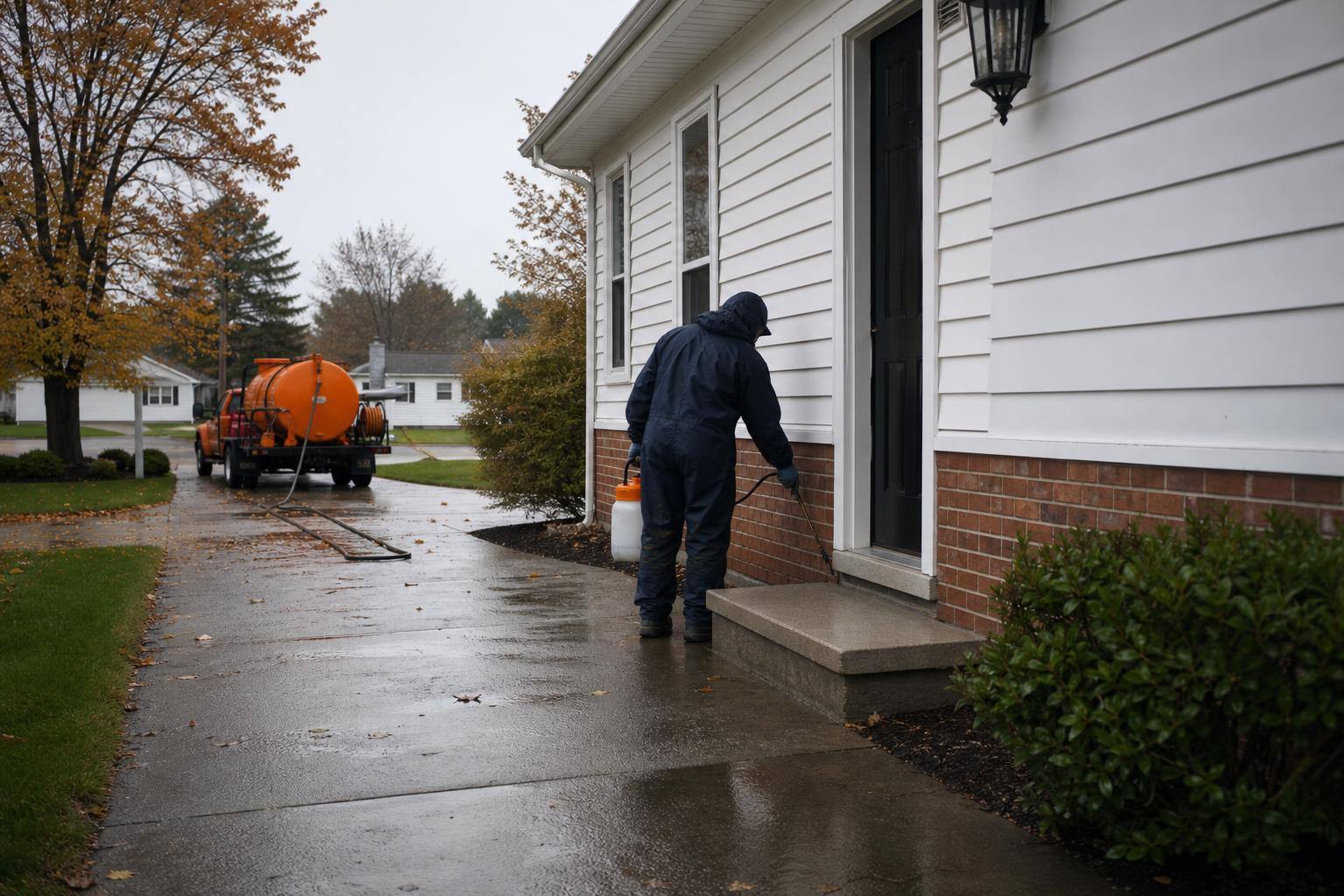
Cockroach control service · Charleston, SC
A historic Charleston single house in South of Broad can hide roaches behind cabinets and utility lines after tidal moisture or heavy rain. One phone call gets the treatment sized for the property.
A real person answers · No forms · No waiting on a quote email
Plan
Older Charleston homes often need a whole home treatment when activity reaches kitchens, bathrooms, and utility areas, while a targeted treatment can fit one contained room.
Quote
The quote is given on the call and changes with property size, activity, access, materials, and time on site.
Time
The visit time is set on the call around access, occupants, pets, and current conditions.
From South of Broad and Harleston Village to West Ashley, Park Circle, and James Island, Charleston properties bring different access problems. Historic homes may have tight wall voids and crawl spaces, while apartments and commercial kitchens need coordinated treatment around occupants, staff, and stored food.
Services
Charleston
Charleston’s hot, humid summers keep cockroach activity persistent, and heavy rain or tidal flooding can push insects toward kitchens, bathrooms, crawl spaces, and utility rooms. Historic coastal housing may have older plumbing penetrations and difficult wall voids. Apartments, restaurants, offices, and rental turnovers require a treatment plan that respects occupants, food areas, access windows, and property management rules.
Residential control fits Charleston houses, including older homes where crawl spaces, utility penetrations, and storm moisture can support hidden activity.
Kitchen treatment focuses on cabinets, plumbing openings, appliances, and food storage areas in Charleston homes, apartments, and working kitchens.
Apartment treatment considers shared walls, neighboring units, tenant access, and activity around kitchens and bathrooms in Charleston buildings.
Recurring control suits Charleston properties with repeated pressure after humid weather, rain, nearby construction, or ongoing access through shared building spaces.
A move in inspection checks vacant Charleston rental kitchens, bathrooms, utility areas, and hiding places before occupants bring in furniture and boxes.
Property managers in Charleston can coordinate inspections, tenant access, follow up treatments, and monitoring across rental units and turnover work.
Commercial control serves Charleston restaurants, offices, warehouses, and other occupied spaces with access planning, monitoring, and documentation for site requirements.
The most common Charleston jobs fit a targeted treatment or whole home treatment. A contained kitchen problem may stay localized, while activity in an older coastal house, apartment building, or storm exposed property usually needs broader inspection and treatment.
A technician inspects kitchens, bathrooms, utility areas, and hiding places for cockroaches and signs of activity.
An inspection fits a Charleston home with uncertain activity, especially after rain or flooding. The technician checks kitchens, bathrooms, utility areas, and hiding places for roaches and signs of activity.
A targeted service treats identified rooms with methods such as approved baits, gels, dusts, or localized applications.
A targeted treatment suits a contained kitchen or bathroom issue in West Ashley, James Island, or a Charleston apartment. Identified rooms receive approved baits, gels, dusts, or localized applications.
A whole-home treatment addresses active areas throughout the residence and includes practical sanitation and exclusion guidance.
A whole home treatment fits historic Charleston housing where activity travels through wall voids, crawl spaces, plumbing openings, or several rooms. It addresses active areas throughout the residence with sanitation and exclusion guidance.
A recurring plan combines scheduled inspections, follow-up treatments, and monitoring to manage ongoing cockroach pressure.
Recurring control fits Charleston rentals, restaurants, and homes facing repeated pressure from humidity, heavy rain, shared walls, or nearby food handling. Scheduled inspections, follow up treatments, and monitoring manage ongoing activity.
A commercial service treats occupied business areas while coordinating access, monitoring, and documentation with site requirements.
Commercial control suits Charleston restaurants, offices, and warehouses that need occupied areas treated while access, monitoring, and documentation are coordinated with site requirements.
Cost
The exact quote is given on the call after the operator understands the property and the activity. Cockroach treatment cost depends on the type and size of the job, rooms involved, parts and materials, time on site, access, distance, and after hours work.
A single kitchen differs from a whole Charleston house, apartment group, restaurant, or warehouse. The number of active rooms and treatment areas changes the work.
Narrow crawl spaces, historic wall voids, locked rooms, tidal area access, parking limits, and distance across Charleston County can change time on site.
Approved baits, gels, dusts, and localized applications depend on the activity and treatment area. The materials selected are discussed as the plan is prepared.
After hours work, tenant coordination, food service schedules, pets, children, and occupied commercial areas can affect preparation, access, and the time required.
To avoid surprise charges, describe every active room, access problem, tenant concern, and scheduling restriction before the quote is given. The exact quote is provided on the call after those details are reviewed.
What goes in
Kitchen activity includes roaches or signs around cabinets, appliances, plumbing openings, sinks, and food storage. Charleston homes may also need attention after heavy rain or tidal moisture reaches lower areas.
Apartment infestations include activity in kitchens, bathrooms, utility spaces, and shared wall areas. Have tenant access details ready, especially for Charleston buildings with several occupied units.
Commercial problems include activity in restaurants, offices, warehouses, and service areas. A Charleston restaurant may need treatment coordinated around food preparation, deliveries, staff movement, and stored supplies.
Not accepted. The service does not cover unrelated wildlife, structural repairs, unsafe access, discarded chemicals, or treatment of areas that cannot be entered or prepared safely.
Projects
Kitchen treatment checks cabinets, appliances, plumbing openings, and food storage. Charleston homes often need attention around older utility connections and moisture after heavy rain.
Bathroom work focuses on drains, pipe penetrations, cabinets, and nearby hiding places. In Charleston, humid air and storm moisture can keep these areas active.
Apartment treatment accounts for shared walls, tenant schedules, and neighboring activity. Charleston buildings may need coordinated access across occupied kitchens and bathrooms.
Turnover work inspects vacant kitchens, bathrooms, and utility areas before the next occupant arrives. Charleston property managers can prepare keys, access notes, and known activity locations.
Restaurant treatment is coordinated around food preparation, staff movement, storage, and cleaning. Charleston commercial kitchens need clear access without disrupting required site procedures.
Office treatment checks break rooms, utility rooms, storage, and service penetrations. Charleston offices may need work arranged around occupied suites and building access controls.
Warehouse treatment considers stored materials, loading access, utility areas, and monitoring points. Charleston County sites may need planning around large work areas and storm affected access.
A real person answers by phone around the clock. Share the Charleston property type, address area, and the rooms where activity is suspected.
Explain sightings, droppings, odors, recent rain or flooding, prior treatment, occupants, pets, and any rooms that cannot be entered.
The operator reviews the recommended inspection or treatment, access needs, materials, scheduling, and exact quote before work is arranged.
The technician treats the identified areas, provides practical sanitation and exclusion guidance when applicable, and sets out monitoring or follow up needs.
Weather
Charleston’s hot humid summers sustain activity, while heavy rain, hurricanes, and tidal flooding can move roaches toward drier indoor areas. Sandy soils and damp crawl spaces may keep pressure persistent. Weather and storm damage can affect access, exterior conditions, and the visit plan.
Placement
Work may occur in kitchens, bathrooms, utility rooms, crawl spaces, basements, slabs, and nearby yards. Historic Charleston properties can have narrow access and older wall voids. Clear the problem area, identify shutoffs, and mention standing water, storm damage, locked rooms, or unsafe surfaces before the visit.
Permits
A routine cockroach treatment inside a private Charleston property generally does not involve a street permit, but sidewalk work, vehicle placement, or unusual public access can bring local requirements. Approval for street placement comes from the City of Charleston or the applicable local government. The call covers who needs to arrange any required permission or inspection.
Charleston County neighborhoods, condominiums, and planned communities may have HOA or covenant rules about exterior work, service vehicles, access hours, and notices. Landlords can also set entry requirements, so confirm those rules before arranging treatment.
Clear access to kitchens, bathrooms, utility rooms, crawl spaces, shutoffs, and active areas. Provide parking for the work vehicle where allowed, keep pets and people clear, and mention flooded ground, standing water, heat, rain, or storm debris that could limit safe work.
Service covers Charleston neighborhoods and settings including South of Broad, Harleston Village, the French Quarter, West Ashley, Park Circle, James Island, Johns Island, Daniel Island, and the peninsula. Coverage also extends through Charleston County, with nearby service details confirmed by phone for places outside Charleston.
Not sure about your street? Ask on the call and we will tell you which office handles it.
Timing
Cockroach activity can remain persistent in Charleston because humidity and warm weather support movement through homes and commercial spaces. Hot summers often increase sightings, while heavy rain, hurricanes, and tidal flooding can shift activity indoors. Rental turnovers, restaurant schedules, and storm cleanup can also change access and treatment planning.
Hot humid Charleston summers can increase activity around kitchens, bathrooms, crawl spaces, and utility penetrations. Keep food sealed, reduce clutter, and describe new sightings rather than relying on outdoor conditions to settle the problem.
Heavy rain, hurricanes, and tidal flooding may push roaches toward higher or drier areas. Mention water entry, damp crawl spaces, damaged access points, and standing water when the visit is arranged.
Service area
Charleston is part of our Charleston County coverage, and we also serve the neighboring communities below.
Why us
Charleston’s historic coastal housing can hide activity in older wall voids, crawl spaces, plumbing penetrations, and tight utility areas. A treatment plan has to account for tides, storm moisture, sandy ground, and the actual path the technician can safely reach.
Getcha Pest Control · Charleston
The peninsula, West Ashley, James Island, and Charleston County rentals do not all load or access the same way. Kitchens, apartments, restaurants, and vacant turnovers each need different preparation, occupant coordination, materials, and monitoring decisions.
Click Here to Call (888) 510-9023FAQs
Still have a question about Charleston? Call (888) 510-9023 and ask a real person.
The exact quote is given on the call. Cost depends on the job type and size, rooms involved, activity level, parts and materials, time on site, distance, access, and after hours work. Describe whether the property is a historic home, apartment, rental, restaurant, office, or warehouse.
A targeted treatment fits activity contained in one identified room, while a whole home treatment fits activity across several rooms or through older construction. An inspection is useful when signs are uncertain, and recurring control suits repeated pressure. The property layout and activity details determine the recommendation.
The visit time is set on the call after access, occupants, pets, distance, and current conditions are reviewed. Emergency questions can be discussed because phone booking is available around the clock, but an arrival time is not promised until the visit is arranged.
The service can inspect kitchens, bathrooms, utility areas, and hiding places, then treat identified rooms or broader active areas with approved baits, gels, dusts, or localized applications. Whole home work also includes practical sanitation and exclusion guidance, while commercial work coordinates access, monitoring, and documentation.
It does not cover unrelated wildlife, structural repairs, unsafe access, discarded chemicals, or areas that cannot be entered or prepared safely. Water damage, building defects, and construction openings may need another trade even when they contribute to Charleston cockroach activity.
Routine treatment inside a private property generally does not need a permit, but public sidewalk use, street placement, or unusual access can involve the City of Charleston or another local government. The call covers who needs to arrange any required permission or inspection.
Clear cabinets and floor edges, secure food, remove unnecessary clutter, arrange access to active rooms, and keep people and pets away from the work area. Mention locked rooms, crawl spaces, shutoffs, standing water, storm damage, and any preparation limits when booking.
Access depends on the inspection or treatment selected. A targeted treatment may need one room, while whole home work needs kitchens, bathrooms, utility areas, and identified hiding places. Historic homes may have narrow crawl spaces or wall voids, so describe what can safely be reached.
Hot humid summers sustain activity, while heavy rain, hurricanes, and tidal flooding can move roaches toward indoor areas. Sandy soils and damp crawl spaces can add pressure. Report recent flooding, water entry, standing water, or storm damage so the visit is planned around actual conditions.
Yes, activity can move through shared walls, plumbing openings, utility spaces, deliveries, storage, or nearby occupied areas. Apartment and commercial control should include access planning and monitoring, with tenants, staff, property managers, and site requirements coordinated before treatment.
A real person answers · No forms · Every quote given on the phone