Residential ant control
Waterbury homes in Town Plot and Bunker Hill receive treatment based on trails, foundation openings, basement conditions, and the location of accessible nests.
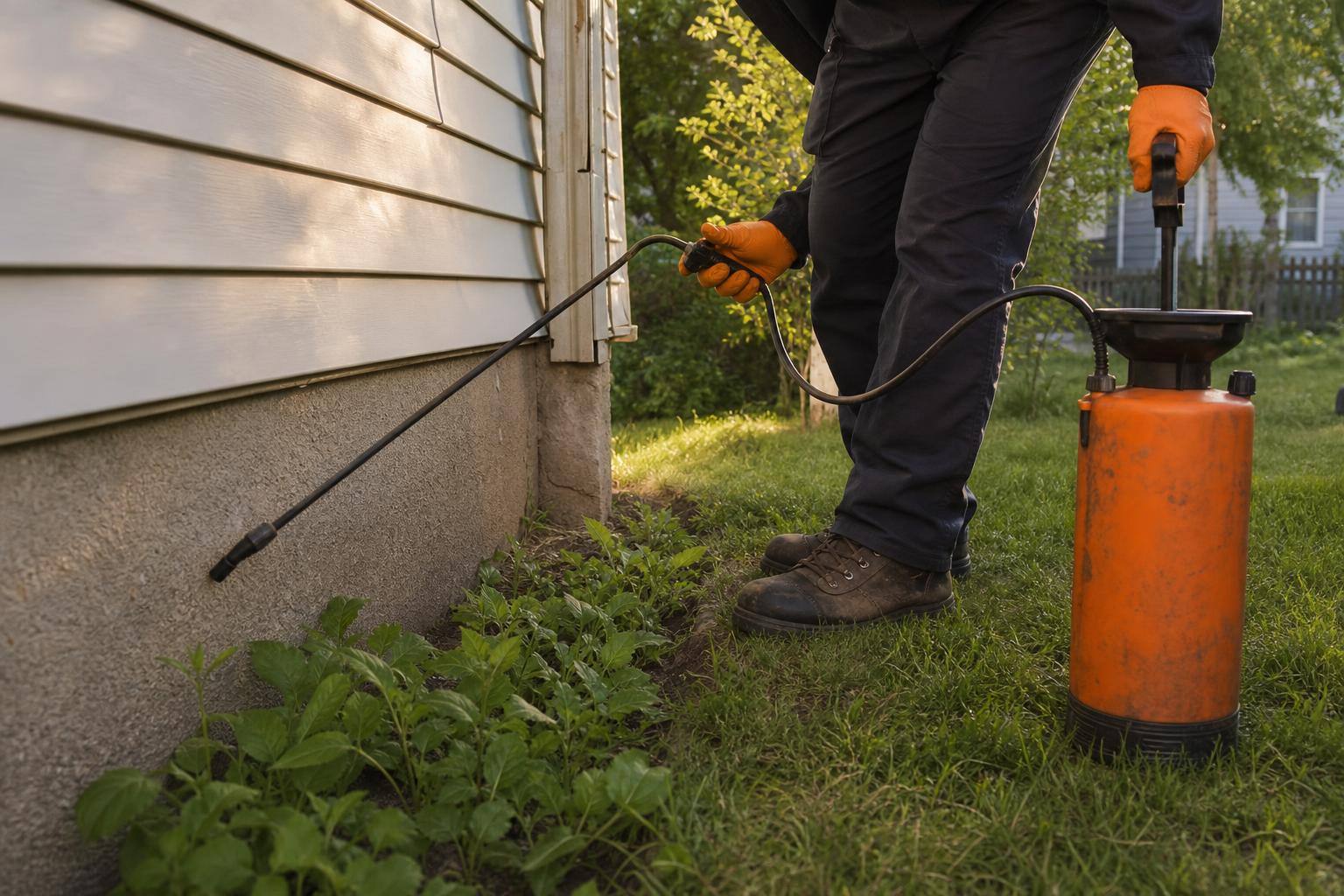
Ant control service · Waterbury, CT
A kitchen ant trail in Town Plot or a carpenter ant entry in Bunker Hill needs more than a surface spray. One call gets the inspection and treatment plan sorted.
A real person answers · No forms · No waiting on a quote email
Plan
Older Waterbury homes with basement access and dense adjoining lots usually need a targeted treatment first, while recurring activity may suit whole-home control.
Quote
The quote is given on the call and changes with activity, access, treatment areas, materials, and time on site.
Time
The visit time is set on the call around your access needs, household schedule, and the property's location.
Ant work in Town Plot kitchens, Bunker Hill foundations, Overlook yards, and the steep streets near Waterville often involves older construction, tight side access, and damp soil. The technician traces trails, checks entry points, and looks at basements, utility rooms, slabs, and exterior nesting areas before selecting an ant treatment.
Services
Waterbury
Waterbury's older two and three family homes can hide ant access around stone foundations, basement windows, plumbing penetrations, and worn exterior joints. Steep streets and close property lines also make equipment movement and exterior treatment placement less straightforward. Work is matched to the species, the trail, and the accessible nesting conditions instead of treating every property the same way.
Waterbury homes in Town Plot and Bunker Hill receive treatment based on trails, foundation openings, basement conditions, and the location of accessible nests.
Kitchen work follows trails around sinks, cabinets, pipe openings, and wall gaps, with attention to older Waterbury plumbing and damp utility areas.
Carpenter ant work checks wood edges, moisture, wall void access, and exterior entry points around Waterbury's older housing stock.
Fire ant control addresses visible activity and accessible outdoor nesting areas, including yards and foundation edges in Waterbury.
Outdoor treatment targets trails and nests near foundations, steps, retaining walls, and tight side yards across Waterbury's steep neighborhoods.
Commercial properties near Waterbury's downtown corridors need treatment planned around entrances, service areas, storage spaces, and operating access.
A prevention plan monitors recurring activity and refreshes treatment around Waterbury homes, apartments, and commercial properties as conditions change.
Most Waterbury ant jobs begin with an inspection or targeted treatment. Older foundations, basement utility routes, close neighboring structures, and wet spring ground can make recurring activity more suitable for whole-home control or a prevention plan.
A technician identifies ant species, entry points, trails, and nesting conditions.
This fits a first visit for a Town Plot kitchen trail, a Bunker Hill basement sighting, or unclear activity where species, entry points, and nesting conditions need identification.
Treatment addresses visible activity and accessible nesting or entry areas.
This suits visible activity at a Waterbury kitchen, foundation edge, or accessible outdoor nest when the affected areas are defined and treatment can stay focused.
A coordinated interior and exterior treatment targets recurring activity around the property.
This is appropriate when ants recur across a Waterbury house, basement, kitchen, and exterior foundation areas, requiring coordinated interior and exterior treatment.
Scheduled visits monitor activity and refresh preventive treatments as needed.
This fits properties with repeated seasonal activity, including older homes and rentals near dense Waterbury blocks where monitoring and refreshed preventive treatment are useful.
Cost
The exact quote is given on the call after the work area and activity are discussed. Ant treatment cost depends on the type and size of the job, species, treatment areas, parts and materials, time on site, access, distance, and after-hours work.
A kitchen trail, carpenter ant issue, and property-wide activity require different inspection and treatment work, materials, and time on site.
Steep streets, tight side yards, basement entries, shared walls, and dense lots can affect equipment movement, parking, and access to treatment areas.
The species and nesting conditions determine which treatment materials and application methods are suitable for interior, foundation, crawl space, or yard work.
Distance, difficult access, the amount of activity, and after-hours work can change the work required at a Waterbury property.
The quote is discussed before the treatment is approved. Describe every active area, mention basement or crawl space access, and identify steep parking or shared access so the scope is not guessed.
What goes in
This includes trails in kitchens, bathrooms, basements, utility rooms, and living areas. A typical Waterbury load is activity entering through older foundation or plumbing openings.
This covers accessible nests and trails near foundations, steps, retaining walls, yards, and walkways, including tight exterior areas common on Waterbury's slopes.
This addresses carpenter ant activity around wood, moisture, wall openings, and exterior entry points in older Waterbury homes and New Haven County properties.
Not accepted. The service does not cover unrelated plumbing work, concealed structural repairs, inaccessible areas, or materials and conditions outside the approved ant treatment scope.
Projects
Waterbury kitchen treatment traces activity around sinks, cabinets, backsplashes, pipe openings, and wall gaps before addressing accessible entry areas.
Foundation work in Bunker Hill and Town Plot checks stone, masonry joints, basement windows, steps, and soil contact where ants enter.
Carpenter ant work in older Waterbury homes examines moisture, wood edges, wall void access, and exterior routes before selecting treatment.
Fire ant control addresses visible nests and trails in accessible Waterbury yards, foundation edges, walkways, and landscaped areas.
Yard treatment follows outdoor trails near retaining walls, steps, fences, and foundations, with access shaped by Waterbury's steep lots.
Apartment work considers shared walls, kitchens, utility chases, and landlord access in Waterbury's dense multi-family housing.
Commercial treatment around downtown Waterbury and New Haven County properties is planned around entrances, storage areas, service rooms, and operating access.
Describe the property, neighborhood, visible activity, and any urgent access concern so the right inspection can be arranged.
Share where ants appear, when activity is noticed, what they look like, and whether trails reach kitchens, basements, foundations, or yards.
Review the recommended treatment, affected areas, access needs, materials, and exact quote before approving the work.
Follow preparation guidance, correct accessible moisture issues, and discuss monitoring or refreshed treatment if activity returns.
Weather
Waterbury's snowy winters can limit exterior access, while wet springs increase damp soil and foundation activity. Humid summers can keep trails active around kitchens, basements, crawl spaces, and shaded yards. Weather and ground conditions are reviewed when setting the visit and treatment areas.
Placement
Work may occur in kitchens, basements, crawl spaces, slabs, utility rooms, foundation edges, and yards. Steep Waterbury lots, narrow side passages, snow, parked vehicles, stored items, and shared access can limit movement and must be discussed before the visit.
Permits
Ant treatment at a private Waterbury property generally does not require a street permit, but work involving public space, unusual equipment placement, or a local inspection can differ. The City of Waterbury is the place to ask about public placement, and the call covers who is responsible for arranging any required approval.
Homeowners association, covenant, and landlord rules in New Haven County may limit exterior treatment, yard access, parking, or notice to occupants. Confirm those rules before work, particularly for shared Waterbury properties and apartment buildings.
Clear a path to the affected room, basement, crawl space, utility area, foundation, or yard. Keep shutoffs and access points reachable, provide lawful parking for the work vehicle, and keep people and pets clear. Snow, wet ground, and steep surfaces can restrict exterior placement.
Service covers Waterbury neighborhoods and settings including Town Plot, Bunker Hill, Overlook, Waterville, the downtown area, and properties on the city's steeper residential streets. Nearby service areas may include Plainville, Farmington, Middletown, Sherman, and Kent when the job is discussed by phone.
Not sure about your street? Ask on the call and we will tell you which office handles it.
Timing
Waterbury ant activity commonly becomes easier to notice as spring moisture brings trails toward foundations and kitchens. Humid summer conditions can keep activity moving through older homes, yards, and utility spaces. Winter may reduce outdoor movement, but indoor activity can continue around heated rooms, basements, plumbing routes, and stored materials.
Thawing ground, wet foundations, and runoff around older Waterbury homes can open routes toward basements and kitchens. Exterior access may also be affected by mud, standing water, and steep yard conditions.
Humid summers can keep outdoor trails active around steps, retaining walls, and foundation edges while indoor trails appear near sinks and utility rooms. Treatment placement depends on shade, moisture, and accessible surfaces.
Service area
Waterbury is part of our New Haven County coverage, and we also serve the neighboring communities below.
Why us
Waterbury's older housing often places ant routes at stone foundations, basement windows, plumbing penetrations, and wood affected by moisture. The inspection needs to connect what appears in a kitchen with what is accessible outside.
Getcha Pest Control · Waterbury
Dense blocks and steep neighborhoods change how a technician reaches yards, side entries, crawl spaces, and foundation walls. Treatment planning accounts for narrow access, shared property lines, parking, and the wet conditions common around Waterbury homes.
Click Here to Call (888) 510-9023FAQs
Still have a question about Waterbury? Call (888) 510-9023 and ask a real person.
The exact quote is given on the call after the job is understood. Cost changes with the species, size of the affected area, treatment type, materials, time on site, access, distance, and after-hours work. Mention basements, crawl spaces, steep access, and every active room before the quote is prepared.
An inspection fits uncertain activity, targeted treatment fits a defined trail or accessible nest, whole-home control fits recurring activity across interior and exterior areas, and a prevention plan fits repeated seasonal problems. Older Waterbury homes with connected basements and foundations may need more than a single focused area.
The visit time is set on the call after the property, activity, access, and scheduling needs are reviewed. Same-day or next-day availability can be asked about, but it is not promised. Have the address, affected areas, and any access restrictions ready.
Ant treatment covers the approved inspection or treatment areas, including accessible indoor trails, outdoor nests, entry points, and nesting conditions identified during the visit. The work may involve kitchens, foundations, basements, utility rooms, crawl spaces, slabs, and yards depending on the treatment plan.
Ant control does not cover unrelated plumbing work, hidden structural repairs, inaccessible areas, or conditions outside the approved treatment scope. Water damage, leaks, damaged wood, and building repairs need to be discussed separately so they are not mistaken for ant treatment.
Private ant treatment usually does not require a permit, but public-space placement, unusual equipment use, or a local inspection can change that. Ask the City of Waterbury about public placement, and discuss the property details on the call so responsibility for any approval is clear.
Clear stored items from affected walls, basement areas, utility rooms, crawl space openings, and foundation edges where possible. Keep pets and people away from work areas, make shutoffs reachable, and mention shared access, landlords, or steep parking before the visit.
Rain, snow, wet soil, and steep slippery surfaces can limit exterior access and change where treatment can be placed. Indoor work may still be considered, while exterior areas are reviewed around current conditions. Waterbury's wet springs and snowy winters make access planning especially relevant.
Yes, carpenter ant treatment can address visible activity and accessible entry or nesting areas in older Waterbury houses. The inspection checks wood, moisture, foundations, wall openings, crawl spaces, and exterior routes because surface activity may not show the full access path.
Have the property address, neighborhood, type of building, rooms or outdoor areas affected, activity pattern, photographs if available, pets, children, landlord or association restrictions, and access details ready. Also mention basement, crawl space, utility room, steep lot, and any suspected moisture.
A real person answers · No forms · Every quote given on the phone