Home flea treatment
Indoor treatment for Waterbury homes checks rooms, floors, pet resting places, basements, and other areas where flea activity is found.
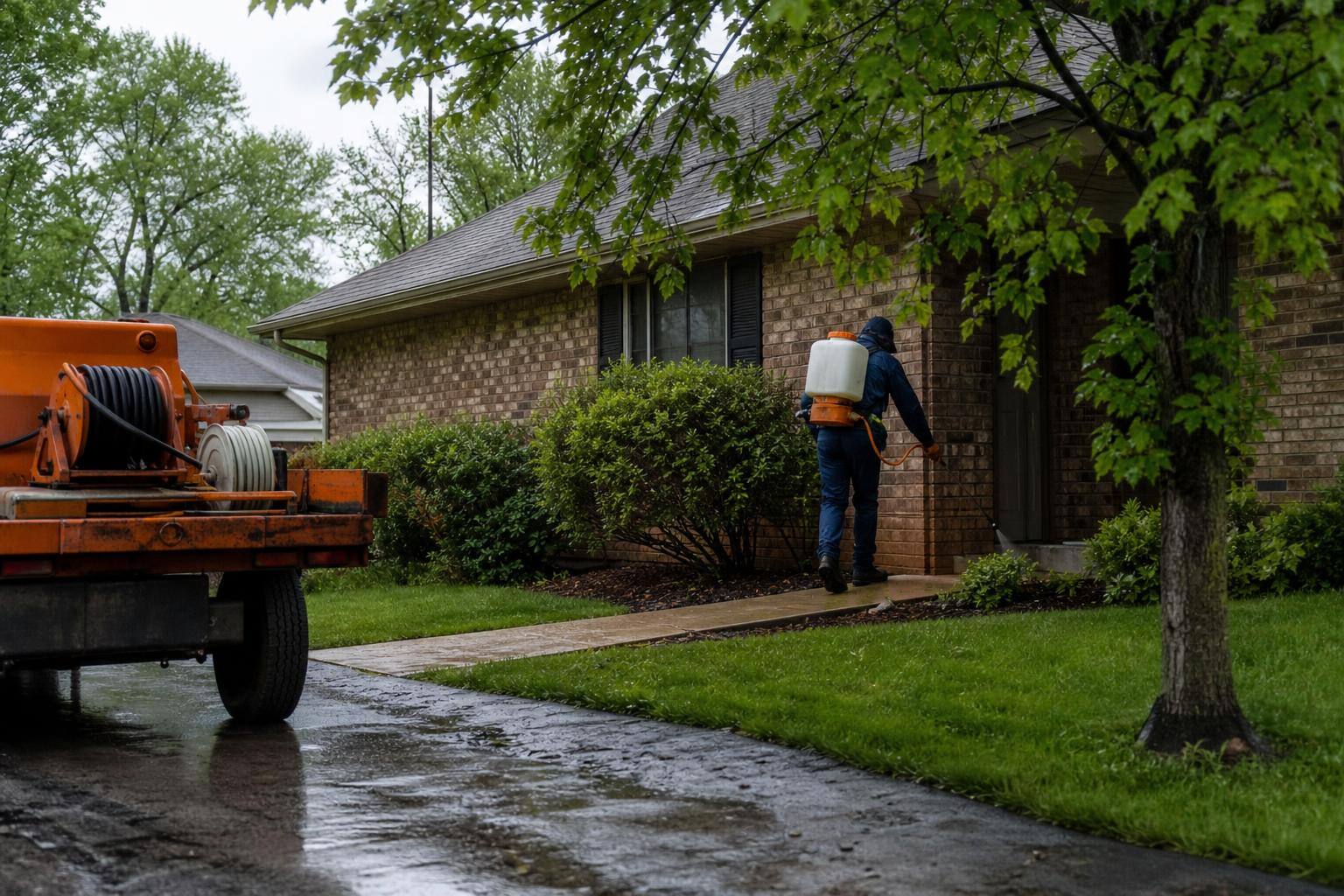
Flea treatment service · Waterbury, CT
An older Town Plot apartment with fleas needs different work from a detached home near Bunker Hill. One phone conversation sorts the inspection, treatment size, preparation, and visit details for Waterbury.
A real person answers · No forms · No waiting on a quote email
Plan
A flea inspection often fits Waterbury apartments and compact older homes first, then the findings determine a single-room, whole-home, or home and yard treatment.
Quote
The exact quote is given on the call, based on treatment size, access, preparation, materials, distance, and time on site.
Time
The visit time is set on the call around access to the home, pets, occupants, and any preparation needed.
From Town Plot and Brooklyn to the East End, Bunker Hill, and Waterville, Waterbury properties often have older floors, basements, shared walls, and tight entrances. Flea work starts by checking rooms, pet resting areas, flooring, and outdoor harborages, then matching the treatment to the affected spaces rather than treating every property the same way.
Services
Waterbury
Waterbury's compact industrial layout means many flea jobs involve aging multifamily housing, shared walls, narrow stairs, and basement or utility-room access. Town Plot apartments, East End homes, and rentals near downtown may need room-by-room preparation. The work can cover indoor rooms, pet areas, flooring, shaded outdoor harborages, or commercial spaces according to inspection findings.
Indoor treatment for Waterbury homes checks rooms, floors, pet resting places, basements, and other areas where flea activity is found.
Apartment work in Town Plot or downtown Waterbury accounts for compact rooms, shared walls, stair access, and the affected unit's preparation needs.
A bedroom treatment targets one affected room and common harborages, useful in older Waterbury housing where activity stays concentrated.
Pet-area work checks resting spots, nearby flooring, and connected indoor locations in Waterbury homes before treatment is matched to the findings.
Outdoor treatment addresses shaded harborages and pet areas around Waterbury yards, including tight side yards and damp areas near older foundations.
A move-in inspection checks vacant or recently occupied rooms in Waterbury apartments before furniture and household items limit access.
Commercial service suits Waterbury offices, shops, and multi-unit properties where treatment areas, occupants, access, and operating conditions must be reviewed.
The inspection is the usual starting point for Waterbury's older apartments and compact homes because flea activity may sit in flooring, pet areas, basements, or shaded yards. Findings determine whether one room, the whole home, or the home and yard need treatment.
A pest professional checks indoor rooms, pet resting areas, flooring, and outdoor locations for flea activity.
A professional checks indoor rooms, pet resting areas, flooring, and outdoor locations. This fits a Waterbury move-in, apartment turnover, or unclear flea source.
Treatment targets one affected room and its common flea harborages after the area is prepared.
Treatment targets one prepared room and its common harborages. It can fit a Waterbury bedroom or compact apartment room when inspection findings stay localized.
The service treats affected indoor areas throughout the home based on inspection findings and preparation needs.
Treatment covers affected indoor areas based on inspection findings and preparation needs. It suits larger East End or Bunker Hill homes with activity across rooms.
Indoor and outdoor treatment addresses pet areas, shaded harborages, and other locations supporting flea activity.
Indoor and outdoor work addresses pet areas, shaded harborages, and other supporting locations. It fits Waterbury homes where activity extends beyond the building.
Cost
The exact quote is given on the call after the work area is discussed. Flea treatment cost depends on the type and size of the job, affected rooms, preparation, access, materials, time on site, distance, and after-hours work.
A single bedroom, several rooms, or indoor and outdoor areas change the work involved. Waterbury apartments often require a different scope from detached homes.
Basements, narrow stairs, shared entrances, utility rooms, and limited parking can affect time on site and access in compact Waterbury properties.
Parts and materials are not the main flea-treatment issue, but treatment materials and the preparation required for flooring, pet areas, and harborages affect the quote.
Travel from the Waterbury service area, difficult access, and after-hours work can change the service cost, along with the number of areas requiring treatment.
To avoid surprise charges, describe every affected room, pet area, yard concern, access problem, and after-hours need before the quote is given. The exact scope and price are set on the call.
What goes in
This covers flea activity in rooms, bedrooms, flooring, basements, and other indoor areas. A typical Waterbury load may involve an older multifamily unit with several connected rooms.
This covers activity around pet bedding, resting places, and nearby flooring. In Waterbury homes, the inspection can distinguish a pet area problem from activity spreading through the house.
This covers outdoor pet areas, shaded harborages, and locations supporting flea activity. Tight Waterbury side yards and damp foundation edges may need careful access review.
Not accepted. The service does not cover unrelated pests, unsafe access, people or pets remaining in treatment areas, or items and conditions outside the agreed flea-treatment scope.
Projects
Bedroom treatment targets one affected room and its harborages, a practical fit for concentrated activity in Waterbury homes near Town Plot or the East End.
Apartment work accounts for shared walls, compact rooms, stairs, and preparation needs in Waterbury's aging multifamily housing.
Whole-home treatment addresses affected indoor areas across the property, including rooms and flooring in larger Waterbury houses.
Pet-area work checks resting places and nearby floors, helping separate a localized concern from wider flea activity in Waterbury residences.
Yard treatment addresses shaded outdoor harborages and pet areas around Waterbury homes, including tight side yards and foundation edges.
A move-in inspection checks vacant rooms before belongings arrive, useful for Waterbury apartment turnovers and rental properties in New Haven County.
Commercial flea service defines affected areas and access conditions for Waterbury shops, offices, and multi-unit properties.
A real person records the Waterbury property type, suspected locations, pet details, and access conditions so the visit can be scoped.
Explain pet resting areas, flooring, basements, bedrooms, outdoor spots, shared walls, and any activity noticed after moving or cleaning.
Clear access to affected rooms and pet areas, follow the preparation directions, and keep people and pets away from work areas.
The professional treats the agreed areas based on findings, then reviews practical prevention steps for the home, pet areas, and yard.
Weather
Waterbury's cold snowy winters can restrict outdoor access, while wet springs keep foundation edges and shaded areas damp. Humid summers can support flea activity around pets and harborages. Weather may affect yard work, parking, and safe access, so outdoor conditions are reviewed when the visit is set.
Placement
Work may occur in bedrooms, living spaces, basements, crawl spaces, slabs, utility rooms, pet resting areas, and yards. Older Waterbury homes can have narrow stairs, tight entries, shared access, stored belongings, or locked utility areas that limit how the affected locations are reached.
Permits
Flea treatment at a private property generally does not require a street permit or local inspection, but placement or access in public space can raise a separate question. The City of Waterbury is the local government to ask about street use, and the call covers who needs to arrange any required approval.
A landlord, condominium association, HOA, or covenant in New Haven County may control treatment notices, entry, pets, or shared areas. Have those rules available so the work can be coordinated with the responsible property contact.
The work area needs clear access to affected rooms, pet areas, utility spaces, and relevant shutoffs, plus workable parking for the service vehicle. Keep people and pets clear. Snow, wet ground, muddy yards, stored items, and narrow Waterbury entries can limit access.
Service covers Waterbury areas including Town Plot, Brooklyn, Bunker Hill, the East End, Hopeville, Overlook, Waterville, downtown, and other sides of the city. Nearby service questions may also include Plainville, Farmington, Middletown, Sherman, and Kent.
Not sure about your street? Ask on the call and we will tell you which office handles it.
Timing
Flea work in Waterbury often becomes more noticeable during humid summers, especially around pets, flooring, shaded yards, and damp edges near older foundations. Wet spring conditions can complicate outdoor inspection, while winter usually shifts attention indoors to heated apartments, basements, and rooms where pets spend time.
Snow and frozen ground can limit yard access, so Waterbury work often centers on bedrooms, apartments, basements, pet resting areas, and indoor flooring during colder months.
Wet spring ground and humid summer conditions can support activity around shaded harborages and pet areas. Waterbury outdoor treatment depends on safe access and workable ground.
Service area
Waterbury is part of our New Haven County coverage, and we also serve the neighboring communities below.
Why us
Waterbury's aging multifamily housing brings shared walls, compact rooms, basement access, and frequent apartment turnovers into flea-treatment decisions. The inspection helps separate one-room activity from a wider building or home concern.
Getcha Pest Control · Waterbury
Industrial corridors, older residential streets, and tight side yards create different access conditions across Waterbury. Treatment planning accounts for flooring, pet areas, shaded outdoor spots, stairs, parking, and the locations that can actually be reached.
Click Here to Call (888) 510-9023FAQs
Still have a question about Waterbury? Call (888) 510-9023 and ask a real person.
The exact quote is given on the call after the job is described. Cost changes with the treatment tier, affected rooms, preparation, materials, time on site, access, distance, and after-hours work. Mention shared entrances, basements, yards, pets, and any Waterbury parking or access issue.
A flea inspection is usually the starting point when the source or spread is unclear. A single-room treatment can fit localized bedroom activity, while whole-home or home and yard treatment fits findings across rooms or outdoor pet areas. The property layout and inspection findings determine the tier.
The visit time is set on the call because access, preparation, pets, occupants, and the affected areas must be reviewed first. Ask about available timing, including same-day or next-day options, without assuming a delivery or arrival promise.
The work can cover affected indoor rooms, flooring, pet resting areas, shaded outdoor harborages, and other locations supporting flea activity. The actual coverage follows inspection findings and preparation needs, so describe bedrooms, basements, yards, and connected rooms before the quote.
It does not cover unrelated pests, unsafe access, people or pets left in treatment areas, or conditions outside the agreed flea-treatment scope. In Waterbury apartments, adjoining units and shared spaces may require separate coordination with the landlord or property manager.
Private-property flea treatment generally does not require a permit or local inspection. Questions about public street use or placement go to the City of Waterbury, and the call can cover who is responsible for arranging any approval that a specific site requires.
Clear access to affected rooms, pet areas, flooring, basements, and utility spaces, then follow the preparation directions provided on the call. Keep people and pets away from work areas, and identify locked rooms, narrow stairs, stored items, or shared entrances before the visit.
Have the property type, Waterbury area, affected rooms, pet routines, resting places, flooring, basement or yard concerns, recent move-in details, access limits, and landlord information ready. Also mention after-hours needs and whether activity appears indoors, outdoors, or in both places.
Yes, wet springs, humid summers, snow, frozen ground, and muddy yards can affect outdoor inspection, parking, and access. Indoor work may still focus on apartments, basements, bedrooms, and pet areas when outdoor conditions are poor.
Yes, older Waterbury apartments can have connected rooms, shared walls, basement access, and flooring that allow activity to extend beyond a bedroom. The inspection identifies affected areas and determines whether a single-room treatment or whole-home treatment is appropriate.
A real person answers · No forms · Every quote given on the phone