Home flea treatment
Home treatment follows inspection findings through bedrooms, finished basements, flooring, and pet areas in Farmington houses.
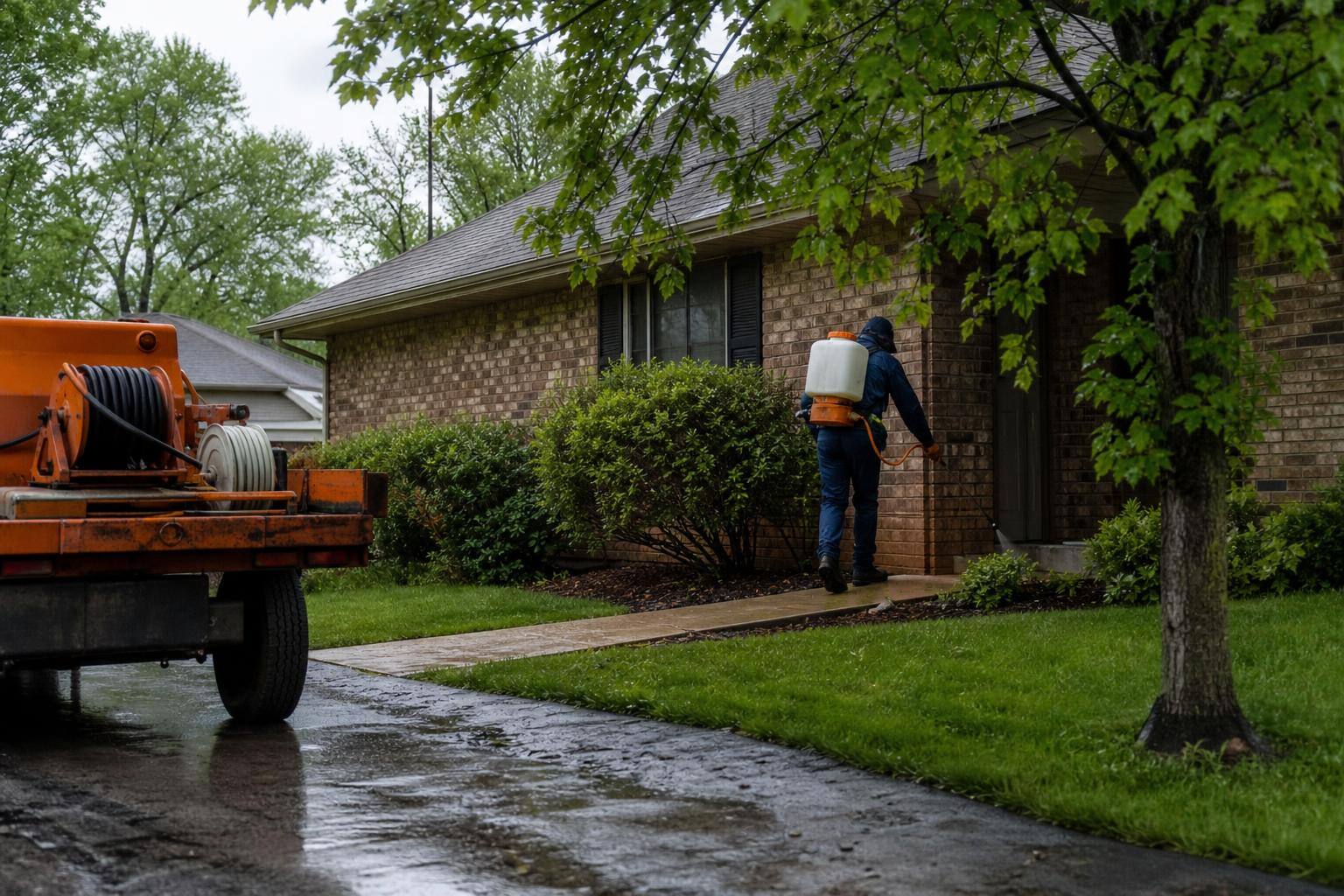
Flea treatment service · Farmington, CT
An older stone-foundation home near Farmington Village can hold fleas in basement edges, pet bedding, and shaded entries. One conversation sorts the inspection, treatment size, and preparation needed.
A real person answers · No forms · No waiting on a quote email
Plan
For an older Farmington home with basement rooms or stone foundation edges, the professional will recommend an inspection, single-room treatment, or whole-home treatment.
Quote
The quote is given on the call, based on treatment size, preparation, access, materials, and distance.
Time
The visit time is set on the call around access, household needs, and the treatment area.
From Farmington Village and Unionville to homes near Tunxis Mead and the West Farms area, flea work changes with stone foundations, finished basements, pet rooms, and yard shade. A flea treatment may focus on one bedroom, follow activity through the home, or include outdoor pet areas after the inspection.
Services
Farmington
Farmington properties often combine older construction, finished living space, basements, and stone foundation walls. Humid summers can support flea activity around pets and shaded yards, while spring saturation and freeze-thaw damage can complicate basement and exterior access. The work is sized after checking rooms, pet resting places, flooring, foundation edges, and outdoor harborages.
Home treatment follows inspection findings through bedrooms, finished basements, flooring, and pet areas in Farmington houses.
Apartment treatment focuses on affected rooms, shared entry conditions, and preparation limits common in Farmington rental buildings.
A bedroom treatment targets flooring, furniture edges, and pet resting spots, including older Farmington homes with basement access.
Pet-area treatment addresses bedding, resting locations, and nearby harborages in Unionville and other Farmington homes.
Outdoor treatment examines shaded yard areas, porch edges, and pet routes around Farmington properties.
A move-in inspection checks rooms, flooring, pet areas, and accessible outdoor locations before occupancy in a Farmington home or rental.
Commercial service is planned around affected rooms, access, and operating conditions in Farmington offices, facilities, and rental properties.
The most common Farmington jobs begin with an inspection, especially in older homes where stone foundations, finished basements, and pet areas can spread activity beyond one visible room. The treatment tier follows what the inspection finds and what the property can be prepared for.
A pest professional checks indoor rooms, pet resting areas, flooring, and outdoor locations for flea activity.
An inspection suits a Farmington move-in, unexplained bites, or activity near a stone foundation. The professional checks indoor rooms, pet resting areas, flooring, and outdoor locations.
Treatment targets one affected room and its common flea harborages after the area is prepared.
A single-room treatment fits one affected bedroom or finished room in Farmington after preparation. Treatment targets that room and its common flea harborages.
The service treats affected indoor areas throughout the home based on inspection findings and preparation needs.
A whole-home treatment fits activity moving through several rooms, such as a Farmington house with basement living space, pets, and connected flooring.
Indoor and outdoor treatment addresses pet areas, shaded harborages, and other locations supporting flea activity.
A home and yard treatment fits Farmington properties where pets use shaded grass, porch edges, or foundation-side areas along with affected indoor rooms.
Cost
The exact quote is given on the call after the job is described. Cost depends on the type and size of treatment, affected rooms, preparation, access, materials, time on site, distance from Farmington, and after-hours work.
A single bedroom differs from a whole Farmington home or combined home and yard treatment. The number of affected rooms and outdoor areas changes the work.
Basements, stone foundation edges, tight utility spaces, parking limits, and distance from the Farmington service area can affect time on site and access planning.
Treatment materials and any needed parts or supplies depend on the inspected harborages, flooring, pet areas, and the preparation required for the property.
After-hours work, household access, spring saturation, snow, and freeze-thaw damage can change how the visit is planned and how long the work takes.
Describe the rooms, pet areas, yard conditions, foundation access, and property type before the quote is prepared. The exact quote is given on the call so the treatment scope and possible charges are discussed together.
What goes in
This covers fleas found in bedrooms, finished basements, flooring, or other rooms. A typical Farmington load may include checking an older house from basement to living area.
This covers activity around bedding, crates, furniture, and regular resting places. Farmington homes with indoor pets and finished lower levels often need those areas checked together.
This covers shaded outdoor harborages, porch edges, and pet routes near the home. A Farmington yard treatment may include locations beside foundation walls or damp spring ground.
Not accepted. The service does not cover unrelated pests, unsafe access, concealed areas that cannot be reached, or personal belongings that have not been prepared as directed.
Projects
Bedroom treatment targets flooring, bedding areas, and furniture edges in Farmington homes, including older properties with connected basement access.
Apartment work is sized around affected rooms, building access, and preparation limits in Farmington rental housing.
Whole-home treatment follows inspection findings through bedrooms, living areas, basements, and pet resting locations in Farmington.
Pet-area work focuses on bedding, crates, furniture, and nearby flooring in Unionville and other Farmington residential areas.
Yard treatment checks shaded harborages, porch edges, and pet routes around Farmington homes and stone foundation walls.
A move-in inspection helps identify flea activity before occupancy in Farmington houses, apartments, and Hartford County rental properties.
Commercial flea work is planned around affected rooms, operating conditions, and access at Farmington facilities and rental properties.
Describe the property, visible activity, rooms involved, and whether the Farmington home has a basement, stone foundation, or yard exposure.
Share pet resting places, flooring, recent activity, vacant or occupied status, and any access limits affecting the treatment area.
Follow the preparation guidance for rooms, pet bedding, floors, furniture edges, and outdoor areas selected during the inspection.
The professional treats the selected harborages and explains practical prevention steps for indoor rooms, pet areas, and accessible yard locations.
Weather
Farmington humidity can support flea activity during summer, while spring saturation may limit access around foundations and yards. Snow and freeze-thaw damage can affect outdoor footing, basement entry, and scheduling. The treatment area and weather conditions are reviewed when the visit is arranged.
Placement
Work may occur in bedrooms, finished basements, crawl spaces, slabs, utility rooms, and yards. Older Farmington stone foundations can create narrow or damp edges. Stored items, locked rooms, wet ground, snow, damaged steps, and limited parking may restrict access to affected areas.
Permits
Flea treatment at a private Farmington property usually does not involve a local building permit or inspection, but street placement, access, or unusual property conditions can raise local questions. The appropriate place to ask about street use is the Town of Farmington. The call covers who needs to arrange any required approval.
Hartford County homeowners associations, covenants, landlords, and property managers may set rules for outdoor work, entry, parking, or treatment notices. Review those rules before the visit and have any required permission ready.
Clear a path to affected rooms, basement stairs, crawl spaces, utility areas, shutoffs, and yard locations. Provide workable parking for the vehicle, keep people and pets away from the work area, and mention snow, wet ground, damaged steps, or freeze-thaw conditions.
Service covers Farmington Village, Unionville, West Farms, Tunxis Mead, and residential areas across the town, including properties near Route 4 and Route 6. Nearby Plainville, Middletown, and Waterbury may also be linked through the wider service area, with the exact property location reviewed on the call.
Not sure about your street? Ask on the call and we will tell you which office handles it.
Timing
Farmington flea work often increases during humid summer weather when pets use indoor and shaded outdoor areas. Spring saturation can leave foundation edges and yards wet, while fall moves pets indoors. Winter activity can remain in heated rooms, finished basements, and pet bedding even when snow covers outdoor areas.
Humid Farmington summers can increase attention around pet resting spots, shaded grass, porches, and foundation edges. Indoor and outdoor findings should be described together when the treatment is planned.
Snow and cold weather shift the focus toward heated rooms, bedrooms, finished basements, and pet bedding. Keep indoor access clear even when outdoor areas are covered or difficult to reach.
Service area
Farmington is part of our Hartford County coverage, and we also serve the neighboring communities below.
Why us
Farmington's older homes can pair stone foundations with finished basements, making a visible bedroom problem worth checking against lower-level flooring, utility rooms, and foundation edges.
Getcha Pest Control · Farmington
Humid summers, spring saturation, snowy winters, and freeze-thaw damage change access around Farmington yards and foundations. Treatment planning accounts for pet routes, shaded harborages, wet ground, and rooms that can be prepared.
Click Here to Call (888) 510-9023FAQs
Still have a question about Farmington? Call (888) 510-9023 and ask a real person.
The exact quote is given on the call. Cost depends on the treatment tier, affected rooms and yard areas, preparation, materials, time on site, access, distance, and after-hours work. Describe the property type, pets, basement, foundation access, and visible activity so the scope is clear.
An inspection is the starting point when the source is unclear. A single-room treatment may fit one prepared bedroom, while activity across rooms or between a home and yard may require a whole-home treatment or home and yard treatment. Older stone-foundation homes deserve attention below the main living level.
The visit time is set on the call because access, preparation, route planning, and household conditions all matter. Ask about available timing, including same-day or next-day options if needed, without assuming those options are available for the property.
The work can cover inspected indoor rooms, flooring, pet resting areas, shaded outdoor harborages, and other locations supporting flea activity. The selected tier determines whether the visit focuses on one room, the whole home, or the home and yard.
It does not cover unrelated pests, unsafe or inaccessible areas, concealed spaces that cannot be reached, or belongings that were not prepared as directed. Tell the professional about locked rooms, stored items, crawl spaces, and damaged access before the visit.
A routine private-property flea treatment usually does not require a building permit or local inspection. Questions about street use or unusual property conditions belong with the Town of Farmington, and the call can clarify who handles any required approval.
Clear access to affected floors, bedrooms, basement areas, utility rooms, pet resting places, and selected yard locations. Keep people and pets away from the work area, arrange vehicle parking, and mention wet ground, snow, damaged steps, or restricted access.
Have the property type, Farmington location, rooms involved, pet details, flooring, basement or crawl-space information, yard conditions, recent observations, and access limits ready. Also mention whether the home is occupied, vacant, being moved into, or used commercially.
Yes. Humid summers can increase activity around pets and shaded yards, while spring saturation, snow, and freeze-thaw damage can restrict outdoor or foundation access. Indoor treatment areas still need preparation, and outdoor portions are planned around safe access.
Not automatically, but older homes with stone foundations often have basement edges, utility spaces, damp areas, and connected flooring worth checking. The inspection determines whether activity is limited to a room or extends through the home and nearby pet areas.
A real person answers · No forms · Every quote given on the phone