Home flea treatment
Older Kent homes may need indoor treatment tied to basement floors, pet bedding, room transitions, and activity found during inspection.
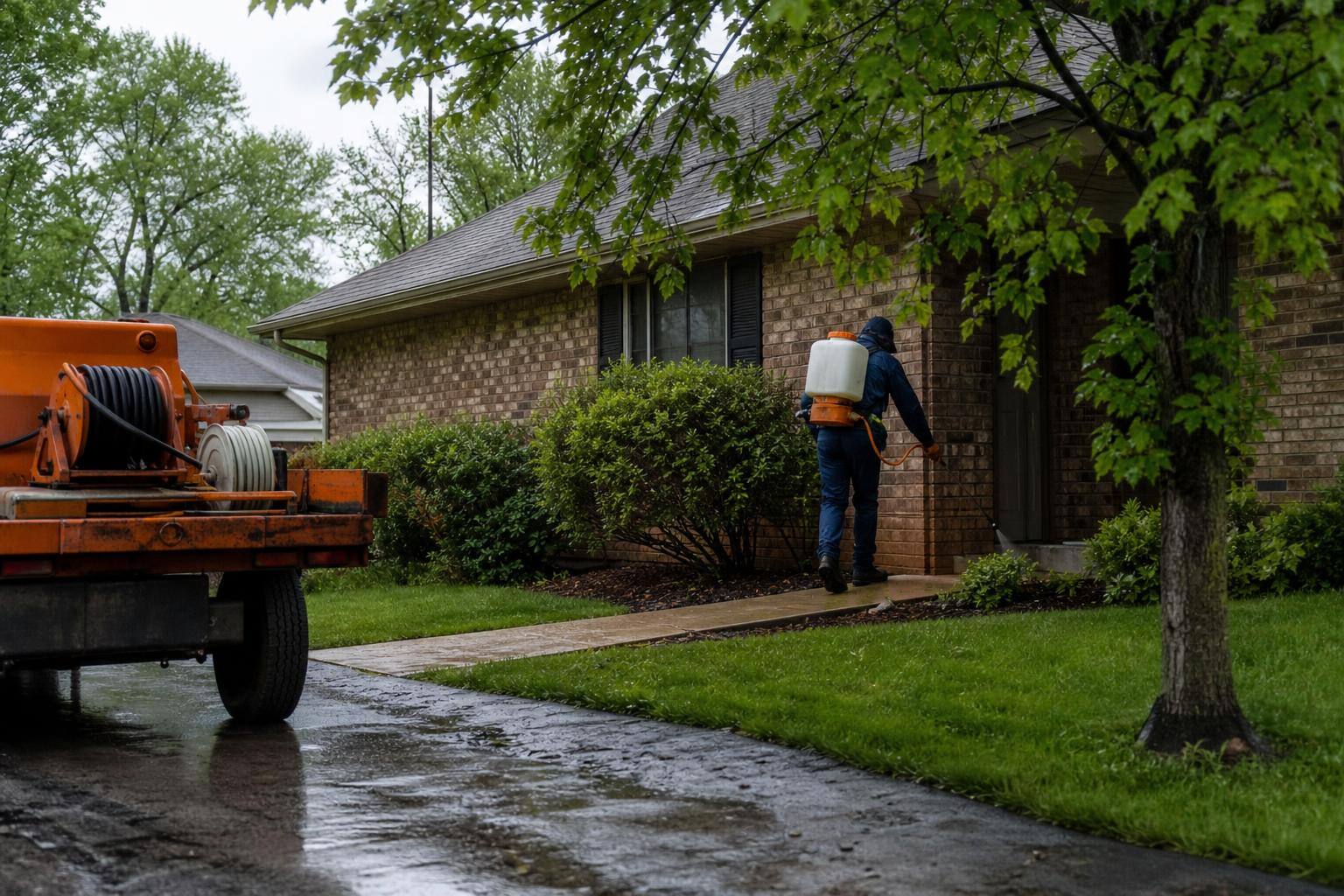
Flea treatment service · Kent, CT
Historic village homes around Kent Center often connect to damp basements, pet rooms, and wooded yards, so one conversation sorts the inspection, treatment scope, and access plan.
A real person answers · No forms · No waiting on a quote email
Plan
For a Kent village house or a wooded South Kent property, the inspection usually comes first, then the findings determine a single-room, whole-home, or home and yard treatment.
Quote
The exact quote is given on the call, based on treatment size, preparation, access, materials, distance, and time on site.
Time
The visit time is set on the call around household access, pets, road conditions, and the treatment areas.
Flea work in Kent Center apartments differs from work in older houses near North Kent, South Kent, and the Route 341 corridor. Historic floors, basement rooms, pet bedding, crawl spaces, and shaded ground around wooded homes all change where activity is checked and treated.
Services
Kent
Kent properties range from compact village apartments to older homes with stone foundations, unfinished basements, and wooded edges. Flea activity can remain around pet resting areas, floor gaps, shaded porches, crawl spaces, and outbuildings. The work is scoped after looking at the rooms, pets, flooring, exterior harborages, and the preparation needed for the particular property.
Older Kent homes may need indoor treatment tied to basement floors, pet bedding, room transitions, and activity found during inspection.
Kent village apartments require attention to the affected unit, shared entries, floor coverings, pet areas, and access rules set by management.
A bedroom treatment in Kent focuses on flooring, furniture edges, pet resting spots, and nearby rooms that may support continued activity.
For Kent homes with dogs or cats, treatment follows the pet resting areas, bedding locations, mudrooms, porches, and connected floor spaces.
Outdoor flea work in South Kent considers shaded ground, porches, kennel areas, brush lines, and damp spots beside wooded lots.
A Kent move-in inspection checks empty rooms, flooring, closets, basements, and pet areas before furniture and household items are brought inside.
Commercial flea service in Kent can address offices, lodging areas, rental properties, and other occupied spaces with access coordinated around operations.
The most common Kent jobs begin with an inspection because older village houses and wooded lots can hide activity beyond the room where bites or fleas were noticed. The proper treatment tier depends on findings, pets, connected rooms, and outdoor harborages.
A pest professional checks indoor rooms, pet resting areas, flooring, and outdoor locations for flea activity.
This fits a Kent move-in, a first report in a bedroom, or uncertainty around a pet area. Indoor rooms, pet resting areas, flooring, and outdoor locations are checked.
Treatment targets one affected room and its common flea harborages after the area is prepared.
A single-room treatment suits a contained bedroom or apartment room in Kent after preparation. Treatment targets the affected room and its common flea harborages.
The service treats affected indoor areas throughout the home based on inspection findings and preparation needs.
This is suited to an older Kent home where activity reaches several rooms, basement areas, or connected floor spaces. Treatment follows inspection findings and preparation needs.
Indoor and outdoor treatment addresses pet areas, shaded harborages, and other locations supporting flea activity.
Wooded South Kent properties with shaded pet areas, porches, and outdoor harborages may need home and yard treatment across the affected indoor and exterior locations.
Cost
The exact quote is given on the call after the job is described. Flea treatment cost depends on the type and size of the property, affected rooms, preparation, pets and harborages, parts or materials, time on site, access, distance through Kent, and after-hours work.
The number of affected rooms, flooring types, pet resting areas, basement spaces, and outdoor harborages changes the work required at a Kent property.
A village apartment, Route 341 home, or wooded lot outside the center can differ in parking, walking distance, stairs, and access from the work vehicle.
Treatment materials and any parts needed for the specific work area affect the quote, along with preparation requirements and the surfaces that must be addressed.
Time on site changes with household preparation, furniture movement, pets, connected rooms, after-hours scheduling, and the condition of the affected areas.
To avoid surprise charges, describe the property honestly during the call, including basements, crawl spaces, pets, outdoor areas, stairs, parking limits, and any previous treatment.
What goes in
This covers activity in bedrooms, living areas, basement rooms, floor transitions, and pet resting places, including the older stone-foundation homes common around Kent Center.
Pet-area work addresses bedding, mudrooms, porches, kennel locations, and nearby flooring where fleas may remain around dogs or cats in Kent homes.
Yard work considers shaded harborages, damp ground, brush edges, and outdoor pet areas, especially on wooded South Kent and North Kent properties.
Not accepted. The service does not cover unrelated pests, unsafe or inaccessible areas, hazardous materials, or treatment of people and animals instead of their approved care routines.
Projects
Bedroom treatment in Kent Center focuses on flooring, furniture edges, pet resting places, and nearby rooms that could support activity.
A Kent village apartment job accounts for shared entries, management access, floor coverings, neighboring units, and the room where activity was found.
Whole-home work suits older Litchfield County houses where activity reaches bedrooms, living areas, basements, and connected floor spaces.
Pet-area work in South Kent follows bedding, mudrooms, porches, kennel locations, and the indoor flooring connected to those spots.
Wooded Kent lots may need yard attention around shaded ground, brush edges, porches, and outdoor pet areas that support flea activity.
A move-in job checks an empty Kent property before furniture arrives, including closets, flooring, basements, bedrooms, and possible pet areas.
Commercial flea work in Kent can cover rental properties, lodging areas, offices, and other occupied spaces with access planned around daily operations.
Describe the Kent property, the suspected rooms, pet areas, outdoor locations, and any access limits so the inspection can be scoped.
Share pet routines, bedding, flooring, basement or crawl-space access, previous treatment, and where fleas or bites were noticed.
Clear floors and treatment paths, follow preparation directions, arrange pet and people access, and make affected rooms available.
The treatment addresses inspected harborages and affected areas, followed by practical prevention steps suited to the property and its conditions.
Weather
Kent winters are cold and snowy, while wet springs and humid summers can change access to yards, porches, crawl spaces, and shaded harborages. Exterior inspection may be limited by saturated ground, snow cover, mud, or dense vegetation, so the visit plan is set around actual conditions.
Placement
Work may take place in bedrooms, living areas, basements, utility rooms, crawl spaces, on slabs, around pet bedding, and in yards. Stone foundations, tight crawl spaces, stairs, stored belongings, snow, mud, and wooded terrain can limit access and need to be described before the visit.
Permits
Flea treatment at a private property generally does not require a local permit, but street use, unusual vehicle placement, or work affecting public space may involve the Town of Kent. The call covers whether a local inspection or approval applies and who arranges it when needed.
Litchfield County associations, covenants, landlords, and property managers may set rules for exterior treatment, pet areas, entry, notice, or contractor access. Review those rules before work at a managed Kent property.
Keep a clear route to affected rooms, basements, crawl spaces, utility areas, shutoffs, and yard locations. Provide legal parking for the work vehicle, keep pets and people clear, and mention snow, mud, wet ground, stairs, or wooded access.
Service covers Kent Center, North Kent, South Kent, the Route 341 corridor, Route 7 areas, village apartments, rural roads, and wooded properties throughout town. Nearby work may also be available in Sherman and other surrounding communities, with the exact service area confirmed on the call.
Not sure about your street? Ask on the call and we will tell you which office handles it.
Timing
Flea concerns can rise in Kent as pets and people spend more time moving between humid outdoor areas and the house. Wet spring ground and summer shade can support activity around yards and porches, while winter may push pets and fleas into heated rooms, basements, and bedding.
Cold snowy weather keeps pets indoors and can make basements, utility rooms, and bedding more important inspection points. Exterior areas may be covered or inaccessible, so indoor findings guide the treatment scope.
Wet springs and humid summers can expose activity around shaded yards, porches, brush lines, and pet areas. Rocky wooded terrain may complicate exterior inspection, especially where mud or dense growth limits footing.
Service area
Kent is part of our Litchfield County coverage, and we also serve the neighboring communities below.
Why us
Kent's historic village homes often combine older flooring, basement rooms, stone foundations, and compact living spaces. That makes it useful to trace activity from pet bedding and bedrooms toward connected rooms instead of treating only the place where fleas were first seen.
Getcha Pest Control · Kent
Rugged woodland, rocky ground, wet springs, and humid summers change exterior inspection around South Kent and rural properties. The treatment plan accounts for shaded harborages, porches, yards, crawl spaces, and the access conditions found at the property.
Click Here to Call (888) 510-9023FAQs
Still have a question about Kent? Call (888) 510-9023 and ask a real person.
The exact quote is given on the call. Cost changes with property and treatment size, affected rooms, pets, preparation, materials, time on site, access, distance through Kent, and after-hours work. Describe basements, crawl spaces, yards, stairs, parking, and previous treatment so the scope is accurate.
An inspection is the starting point when the source is uncertain. A single-room treatment can fit a contained bedroom, while whole-home treatment suits activity across connected rooms. A home and yard treatment may fit a wooded Kent property with outdoor pet areas or shaded harborages.
The visit time is set on the call. Availability depends on the property, access, treatment preparation, distance, weather, and the requested schedule. Ask about current openings and have the affected rooms, pet areas, and any seasonal road concerns ready to discuss.
The work covers affected indoor areas and, when selected, outdoor pet areas and harborages identified during inspection. Depending on the tier, that can include bedrooms, flooring, basements, pet resting locations, porches, shaded ground, and other areas supporting flea activity.
The service does not cover unrelated pests, unsafe or inaccessible areas, hazardous materials, or treating people and animals as substitutes for approved care. Tell the operator about other pest concerns, restricted rooms, and any product already used at the Kent property.
Most private-property flea treatments do not require a permit. Street use, public-space work, or unusual vehicle placement can involve the Town of Kent, and local approval or inspection may apply. The call covers who checks and arranges that requirement.
Clear floors and routes to affected rooms, make pet resting areas available, follow preparation instructions, and arrange for pets and people to stay clear. Mention stored belongings, basement access, crawl spaces, stairs, and any rooms that cannot be entered.
Have the property type, affected rooms, pet details, bedding locations, indoor and outdoor observations, flooring, basement or crawl-space access, prior treatment, parking limits, and preferred visit constraints ready. This information helps determine the proper inspection or treatment tier.
Yes, Kent snow, wet spring ground, humid summers, mud, and wooded terrain can change exterior access and inspection. Indoor work may still focus on rooms, basements, utility areas, and pet bedding, while yard work is planned around footing and visibility.
Yes, the home and yard treatment can address indoor areas, pet locations, shaded harborages, porches, and other outdoor spots supporting flea activity. Rocky ground, brush, snow, wet soil, and limited access around South Kent or North Kent properties should be described before scheduling.
A real person answers · No forms · Every quote given on the phone