Residential cockroach control
Residential control for Kent homes checks kitchens, bathrooms, basements, and utility areas where older construction can give cockroaches sheltered routes.
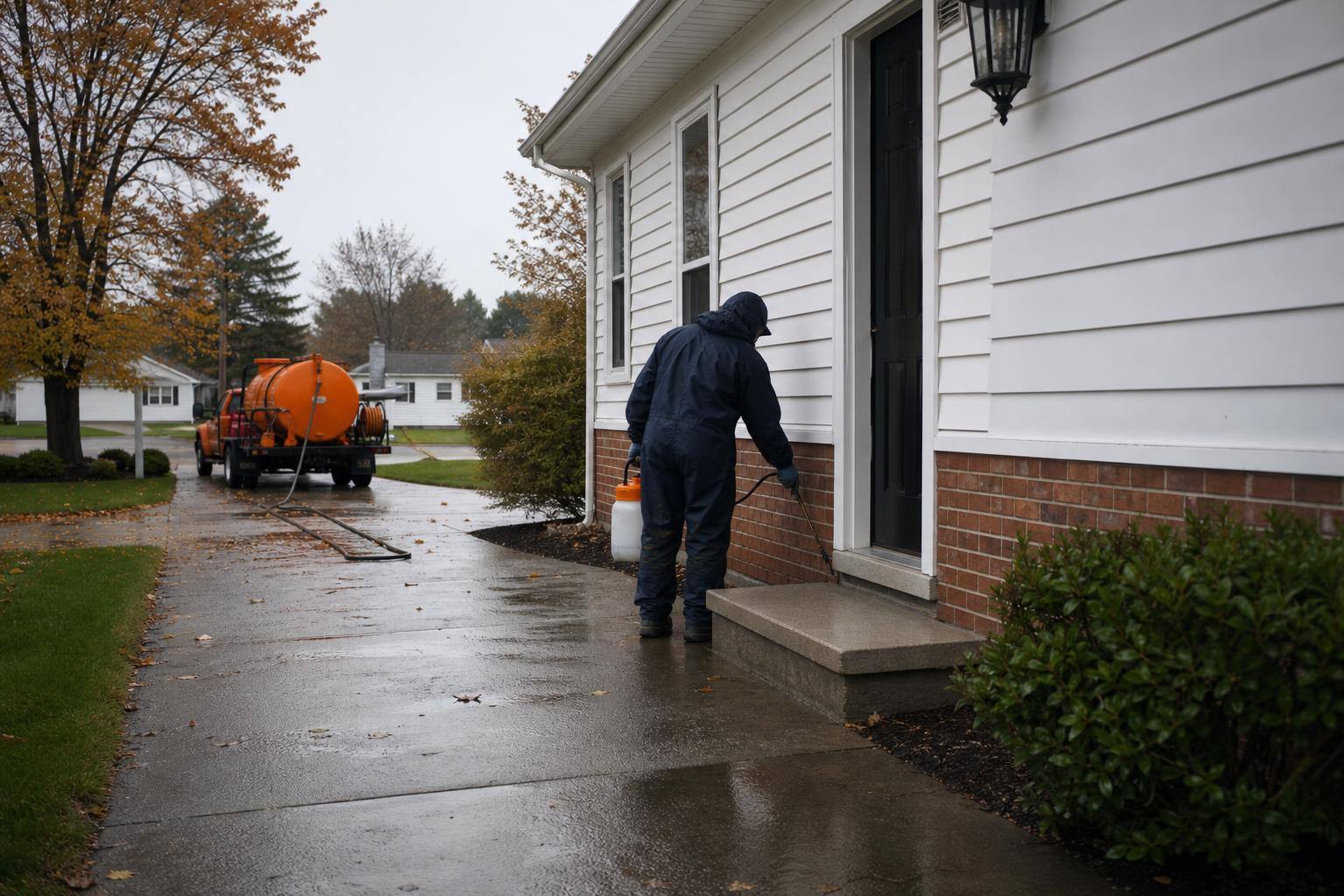
Cockroach control service · Kent, CT
A historic village home in Kent Village can hide cockroaches around warm kitchens, damp basements, and utility lines. One phone call sorts the inspection, treatment type, and access details.
A real person answers · No forms · No waiting on a quote email
Plan
Older Kent Village houses and wooded properties often start with a Cockroach Inspection, while active rooms may need a targeted treatment or whole-home treatment.
Quote
The exact quote is given on the call, based on infestation size, rooms, materials, access, distance, and after-hours work.
Time
The visit time is set on the call around household access, road conditions, and the work required.
From Kent Village and South Kent to North Kent homes near wooded roads, cockroach work changes with stone foundations, basement utility areas, and older kitchens. Rentals near the Housatonic River may need turnover inspections, while businesses along Route 7 need controlled access and activity records.
Services
Kent
Kent's historic village homes, seasonal rentals, apartments, and wooded properties create different cockroach entry points. Older foundations can connect basements, kitchens, and utility rooms, while wet springs and humid summers support activity around plumbing and damp storage. Treatment starts with the actual rooms, signs, hiding places, and access available at the property.
Residential control for Kent homes checks kitchens, bathrooms, basements, and utility areas where older construction can give cockroaches sheltered routes.
Kitchen treatment focuses on food storage, plumbing openings, cabinet voids, and appliance spaces common in Kent Village and South Kent homes.
Apartment treatment accounts for shared walls, neighboring units, tenant access, and activity moving through utility lines in Kent rental buildings.
Recurring prevention combines scheduled inspections, follow-up treatments, and monitoring for persistent pressure in Kent homes and seasonal properties.
A move-in inspection checks kitchens, bathrooms, utility areas, and hiding places before occupancy in Kent rentals or historic village homes.
Property managers can coordinate access and treatment records for Kent apartments, rental turnovers, and homes with changing occupants.
Commercial control addresses occupied kitchens, offices, and storage areas in Kent while coordinating site access, monitoring, and documentation.
The most common Kent jobs begin with an inspection or targeted treatment because activity may be limited to a kitchen, basement, or bathroom. Historic homes with connected utility spaces often need a whole-home treatment when signs appear in more than one area.
A technician inspects kitchens, bathrooms, utility areas, and hiding places for cockroaches and signs of activity.
An inspection suits a Kent Village home before occupancy, a single unexplained sighting, or a property where the source is unclear. Kitchens, bathrooms, utility areas, and hiding places are checked.
A targeted service treats identified rooms with methods such as approved baits, gels, dusts, or localized applications.
A targeted treatment fits identified activity in one or more rooms, such as a South Kent kitchen or basement bathroom. Approved baits, gels, dusts, or localized applications are selected for the site.
A whole-home treatment addresses active areas throughout the residence and includes practical sanitation and exclusion guidance.
A whole-home treatment fits older Kent houses where activity crosses kitchen, basement, bathroom, and utility areas. The work addresses active areas throughout the residence and includes sanitation and exclusion guidance.
A recurring plan combines scheduled inspections, follow-up treatments, and monitoring to manage ongoing cockroach pressure.
Recurring control fits rental properties, seasonal homes, or continuing activity in Kent Village and North Kent. Scheduled inspections, follow-up treatments, and monitoring help manage ongoing pressure.
A commercial service treats occupied business areas while coordinating access, monitoring, and documentation with site requirements.
Commercial control suits restaurants, offices, and warehouses in Kent that need occupied-area treatment coordinated with access, monitoring, and site documentation requirements.
Cost
The exact quote is given on the call after the job is described. Cost depends on the type and size of the infestation, rooms involved, parts and materials, time on site, access, distance from the Kent service area, and after-hours work.
Activity limited to one Kent kitchen differs from signs across a historic home's basement, bathrooms, utility rooms, and connected living areas.
Rocky wooded drives, narrow approaches, basement entries, and distance from the work area in Kent can change setup time and access requirements.
Approved baits, gels, dusts, localized applications, monitoring supplies, and other materials depend on the treatment selected for the rooms and activity.
Inspection detail, preparation, occupied business areas, follow-up needs, and after-hours scheduling affect the time required at a Kent property.
To avoid surprise charges, describe every affected room, sighting, tenant concern, access limitation, and timing restriction on the call. The quote is set before the visit from those job details.
What goes in
Kitchen activity includes sightings, droppings, egg cases, or movement around cabinets, appliances, plumbing, and food storage. Kent Village homes may also have connected basement utility routes.
Apartment infestations can involve kitchens, bathrooms, shared walls, utility lines, and multiple occupied units. Access planning matters in Kent rentals with tenants or changing occupants.
Commercial problems include activity in restaurant kitchens, offices, storage rooms, and warehouses. A typical Kent load may require work around occupied areas and site documentation.
Not accepted. The service does not cover unrelated pests, unsafe work areas, inaccessible rooms, or removal of construction debris, stored belongings, food, or contaminated materials.
Projects
Kitchen treatment checks cabinets, appliances, plumbing openings, and food storage in Kent Village homes where historic construction can create hidden voids.
Bathroom work examines pipe penetrations, vanity spaces, wall gaps, and damp areas in South Kent and North Kent properties.
Apartment treatment coordinates tenant access and shared-wall concerns for Kent rentals, including kitchens, bathrooms, and utility routes.
Turnover inspections help property managers check Kent homes and apartments before a new occupant moves into the space.
Restaurant control addresses food-service areas, storage, access, and monitoring for Kent businesses while work continues around operating requirements.
Office treatment checks break rooms, utility areas, storage, and access points in Kent commercial buildings without assuming activity is limited to one room.
Warehouse control considers stored goods, wall edges, loading access, and monitoring in Litchfield County facilities with larger work areas.
A real person answers by phone and records the Kent property type, suspected activity, affected rooms, and access concerns.
Explain sightings, droppings, odors, prior treatment, occupancy, and whether activity is in a kitchen, bathroom, basement, or business area.
The treatment type, materials, preparation, access needs, and exact quote are reviewed on the call before work is arranged.
The technician treats identified areas, provides practical guidance, and sets monitoring or follow-up needs according to the selected service.
Weather
Cold snowy winters can limit exterior inspection, while wet springs expose damp entry areas around foundations. Humid Kent summers may increase activity near plumbing, basements, and stored materials, so indoor evidence remains useful when wooded ground is difficult to inspect.
Placement
Work may occur in kitchens, bathrooms, basements, crawl spaces, utility rooms, slabs, and nearby yard areas. Rocky ground, snow, wet access paths, stored belongings, locked rooms, and narrow historic layouts can limit inspection or treatment access.
Permits
Cockroach treatment at a private Kent property usually does not involve street work. If equipment, access, or placement affects a public way, approval comes from the Town of Kent or another responsible local government. The call covers whether an inspection or local arrangement is needed and who handles it.
Some Litchfield County developments, shared properties, covenants, or landlords require notice before pest treatment. Have those rules ready on the call so access, occupants, and treatment areas can be coordinated.
Clear a path to kitchens, bathrooms, basements, crawl spaces, utility rooms, and shutoffs. Provide workable parking for the vehicle, keep people and pets away, and disclose snow, mud, steep drives, or wooded access that may limit movement.
Service covers Kent Village, South Kent, North Kent, properties near the Housatonic River, and wooded roads across the town. Nearby coverage can include Sherman, Waterbury, Plainville, Farmington, and Middletown when arranged through the same phone-first booking process.
Not sure about your street? Ask on the call and we will tell you which office handles it.
Timing
Cockroach activity can appear indoors any time in Kent, but wet spring conditions and humid summer weather can make damp foundations, basements, and utility spaces more favorable. Winter often shifts attention indoors as homes stay closed and heated. Seasonal rentals and move-ins add inspection work around occupancy changes.
Cold snowy weather keeps attention on heated kitchens, bathrooms, basements, and utility rooms. Historic Kent homes may show activity indoors while snow and frozen ground limit exterior inspection.
Wet spring ground and humid summer air can expose moisture routes around foundations and plumbing. In Kent's wooded terrain, access may be muddy or uneven, so the work area should be cleared indoors first.
Service area
Kent is part of our Litchfield County coverage, and we also serve the neighboring communities below.
Why us
Kent's historic village homes often join older kitchens, basements, and utility spaces around stone foundations. A useful treatment plan starts by tracing activity through those rooms instead of assuming one sighting explains the whole property.
Getcha Pest Control · Kent
Rugged woodland, wet ground, and snowy access change how exterior clues are checked around Kent properties. Indoor inspection, practical sanitation guidance, and careful access planning matter for homes, rentals, and occupied businesses.
Click Here to Call (888) 510-9023FAQs
Still have a question about Kent? Call (888) 510-9023 and ask a real person.
The exact quote is given on the call, based on infestation size, rooms, parts and materials, time on site, access, distance, and after-hours work. Describe every affected area, including basements or connected utility rooms in older Kent homes.
A Cockroach Inspection fits uncertain activity, while a targeted treatment fits identified rooms and a whole-home treatment fits activity across connected areas. Recurring control may suit seasonal homes, rentals, or continuing pressure in Kent.
The visit time is set on the call because access, route conditions, job type, and technician scheduling all matter. Ask about available timing, including same-day or next-day options, when describing the infestation.
The work covers the selected rooms and activity areas, such as kitchens, bathrooms, utility spaces, basements, and hiding places. The method may include approved baits, gels, dusts, or localized applications, depending on the control plan.
It does not cover unrelated pests, unsafe areas, inaccessible rooms, or removal of debris, stored belongings, food, or contaminated materials. Tell the technician about other pest concerns so the booked service is properly matched.
Private indoor cockroach treatment usually does not require a local permit, but street access or unusual public placement may involve the Town of Kent or another local government. The call covers whether an arrangement is needed.
Clear counters, cabinets, plumbing areas, basements, and utility rooms, and provide access to suspected hiding places. Keep pets and people clear as directed, and mention locked rooms, tenants, stored belongings, or narrow historic layouts.
Have the Kent property address, property type, affected rooms, recent sightings, prior treatments, occupancy details, and access restrictions ready. Notes about droppings, odors, egg cases, or activity near plumbing also help select the right visit.
Cold snow, wet spring ground, and humid summer conditions can change exterior inspection and access, but indoor activity can still be assessed. Mention muddy drives, snow, wooded approaches, basement dampness, or seasonal vacancy on the call.
Yes, a historic Kent Village home can be assessed and treated according to its rooms, construction, and access. Stone foundations, older utility routes, tight cabinets, and connected basements may make a broader inspection useful.
A real person answers · No forms · Every quote given on the phone