Residential cockroach control
Treatment for Charlottesville homes checks kitchens, bathrooms, basements, utility areas, and foundation-side routes common in older neighborhoods.
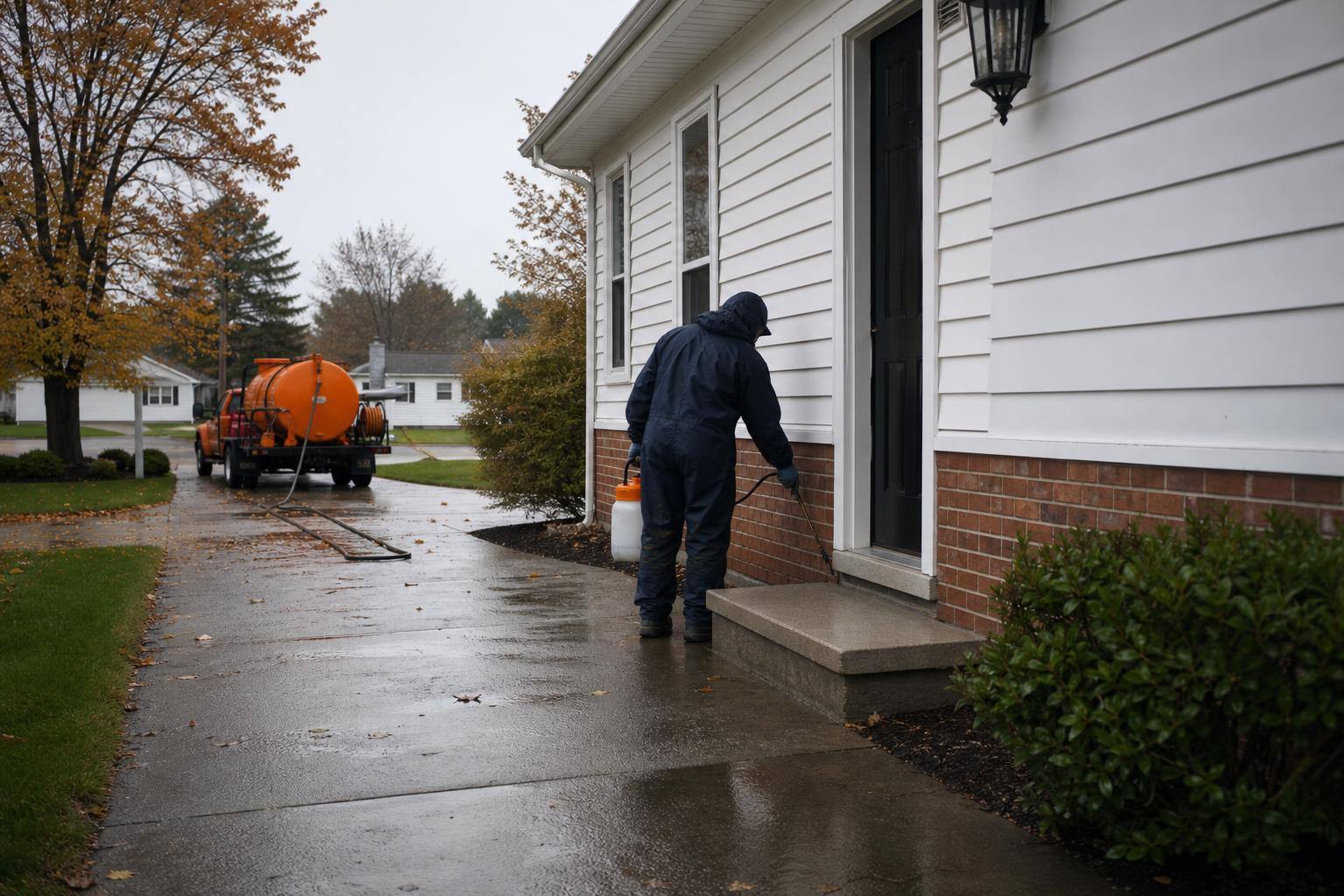
Cockroach control service · Charlottesville, VA
In Belmont kitchens and basement utility rooms near the University of Virginia, cockroach treatment has to account for older buildings and busy rentals. One phone call gets the right inspection or treatment sorted.
A real person answers · No forms · No waiting on a quote email
Plan
For a Charlottesville rental, historic home, or university apartment, the technician may recommend an inspection, targeted treatment, or whole-home treatment after hearing where activity appears.
Quote
The exact quote is given on the call, based on the job size, access, rooms involved, materials, and time on site.
Time
The visit time is set on the call around access to the property, occupants, pets, and any rental turnover needs.
Cockroach work differs between Belmont row homes, Rugby Road student rentals, Fry’s Spring apartments, and Downtown Charlottesville businesses. Older foundations, shared walls, kitchens, basements, and utility rooms can hide activity in different ways, so the treatment starts with the rooms, building layout, and signs you describe.
Services
Charlottesville
Charlottesville has older homes, dense student rentals, apartment buildings, and active commercial kitchens close together. Humid summers can support activity around plumbing and damp utility areas, while freeze-thaw movement and heavy rain can open small routes at foundations. Treatment is matched to the rooms, occupants, neighboring units, and access available at the property.
Treatment for Charlottesville homes checks kitchens, bathrooms, basements, utility areas, and foundation-side routes common in older neighborhoods.
A kitchen treatment focuses on food areas, plumbing gaps, appliances, cabinets, and concealed harborages in Charlottesville homes and rentals.
Charlottesville apartment work accounts for shared walls, neighboring units, tenant access, kitchens, bathrooms, and building maintenance requirements.
Recurring control suits ongoing pressure in Charlottesville rentals, older residences, and properties where monitoring and follow-up treatment are needed.
A move-in inspection helps Charlottesville renters and property owners identify activity before furniture, boxes, and kitchen supplies fill the rooms.
Property managers in Charlottesville can coordinate access, occupied rooms, vacant units, documentation, and treatment around turnover work.
Commercial control serves Charlottesville restaurants, offices, and warehouses by coordinating occupied areas, monitoring, access, and site requirements.
The most common Charlottesville jobs fit targeted treatment or whole-home treatment, depending on how many rooms show activity and whether shared walls, basements, or utility routes are involved. An inspection is the sensible starting point when signs are limited or the source is unclear.
A technician inspects kitchens, bathrooms, utility areas, and hiding places for cockroaches and signs of activity.
This fits a Charlottesville move-in, an isolated sighting in a Downtown kitchen, or a landlord checking a vacant room. The technician inspects kitchens, bathrooms, utility areas, hiding places, and signs of activity.
A targeted service treats identified rooms with methods such as approved baits, gels, dusts, or localized applications.
This suits identified activity in a Belmont kitchen, Rugby Road apartment, or single utility area. Approved baits, gels, dusts, or localized applications are used in the rooms where evidence is found.
A whole-home treatment addresses active areas throughout the residence and includes practical sanitation and exclusion guidance.
This fits a Charlottesville house with activity across kitchen, bathroom, basement, and utility areas. The work addresses active areas throughout the residence and includes sanitation and exclusion guidance.
A recurring plan combines scheduled inspections, follow-up treatments, and monitoring to manage ongoing cockroach pressure.
Recurring control fits a student rental near the University of Virginia, a multi-unit property, or a home with continuing pressure. Scheduled inspections, follow-up treatments, and monitoring manage activity over time.
A commercial service treats occupied business areas while coordinating access, monitoring, and documentation with site requirements.
This serves Charlottesville restaurants, offices, and warehouses where treatment must work around staff, occupied areas, access rules, monitoring, and site documentation.
Cost
The exact quote is given on the call after the job is described. Cost depends on the type and size of the property, rooms involved, activity level, parts and materials, time on site, access, distance from Charlottesville, and after-hours work.
A kitchen-only visit differs from work across bedrooms, bathrooms, basements, utility rooms, or several units in a Charlottesville property.
The signs found and treatment method affect materials, including approved baits, gels, dusts, or localized applications suited to the problem.
Locked rooms, shared entrances, parking limits, occupied rentals, and travel from the Charlottesville area can change the time and work required.
After-hours work, restaurant schedules, tenant coordination, and property procedures can affect the labor needed to complete the treatment properly.
To avoid surprise charges, describe every affected room, prior treatment, access restriction, tenant issue, and timing concern on the call. The exact quote is given before the visit is arranged.
What goes in
This includes activity around cabinets, appliances, sinks, drains, and food storage. A typical Charlottesville kitchen load may involve an older Belmont home or a busy student rental.
Apartment work covers activity in kitchens, bathrooms, utility areas, and connected living spaces. Charlottesville’s dense rentals may require access planning around tenants and shared walls.
Commercial work covers occupied business areas, monitoring, access coordination, and documentation. A typical Charlottesville load may be a restaurant kitchen, office, or warehouse.
Not accepted. Treatment does not cover unrelated pests, unsafe access areas, concealed damage repairs, or cleanup beyond the sanitation and exclusion guidance provided for the cockroach work.
Projects
Charlottesville kitchen treatment examines cabinets, appliances, plumbing gaps, and food areas, with the method matched to visible signs and concealed harborages.
Bathroom work checks sinks, pipe openings, cabinets, and damp edges in Charlottesville homes where humidity and plumbing routes can support activity.
Apartment treatment in Charlottesville accounts for shared walls, tenant schedules, connected utility routes, and access to kitchens and bathrooms.
A turnover visit helps Charlottesville property managers inspect vacant rooms and address signs before the next tenant brings in belongings.
Restaurant work coordinates Charlottesville kitchen access, occupied food-service areas, monitoring, documentation, and treatment around operating requirements.
Office treatment checks kitchens, break rooms, bathrooms, utility spaces, and storage areas in Charlottesville workplaces with controlled access.
Warehouse control examines storage, employee areas, utility spaces, and receiving routes in Charlottesville commercial buildings where access and documentation matter.
A real person answers by phone and records the Charlottesville property type, suspected rooms, activity, access, and scheduling needs.
Explain sightings, droppings, odors, prior treatment, occupied rooms, nearby units, and whether the issue is residential or commercial.
The technician explains the recommended inspection or treatment approach, materials, preparation needs, and exact quote for the described work.
The work addresses identified areas, then monitoring or follow-up is arranged when the selected Charlottesville control plan requires it.
Weather
Charlottesville’s humid summers can support activity near damp plumbing, basements, and utility areas. Heavy rain can push pests toward buildings, while clay soils and winter freeze-thaw cycles can affect foundation-side routes. Weather may change exterior access, parking, or how the work area is reached.
Placement
Work may occur in kitchens, bathrooms, basements, crawl spaces, utility rooms, slabs, and foundation-side areas. Charlottesville’s older homes and dense rentals can limit access through narrow rooms, shared entries, stored belongings, locked units, or occupied spaces.
Permits
Cockroach treatment inside a Charlottesville property generally does not involve a street permit, but unusual exterior access, public placement, or local inspection requirements should be confirmed with the City of Charlottesville. The call covers what may be needed and who arranges any required local approval.
Charlottesville City rentals, condominiums, and neighborhoods with association or covenant rules may require notice before exterior access or treatment. Landlords and property managers should check their own rules and coordinate entry with occupants.
Clear access to affected rooms, crawl spaces, basements, utility areas, plumbing shutoffs, and appliances. Provide work-vehicle parking where possible, keep people and pets clear, and mention wet ground, heavy rain, freezing conditions, or muddy clay around exterior routes.
Service covers Charlottesville City areas including Downtown, Belmont, Rugby Road, Fry’s Spring, North Downtown, and neighborhoods around the University of Virginia. Work can also be discussed for nearby Virginia locations when the property details, distance, and access are reviewed on the call.
Not sure about your street? Ask on the call and we will tell you which office handles it.
Timing
Cockroach activity can be noticed throughout the year in Charlottesville, especially where heated buildings provide stable shelter. Humid summer conditions and heavy rain may increase sightings near plumbing, basements, and foundations. Student move-ins, rental turnovers, and restaurant schedules also shape when inspections and treatment need to be arranged.
Humid weather and heavy rain can make damp kitchens, basements, utility spaces, and foundation routes more relevant during Charlottesville treatment. Keep exterior access clear and report any recent water entry.
During Charlottesville freeze-thaw periods, cockroaches may remain active indoors near heat, plumbing, appliances, and stored materials. Access to heated rooms and utility areas helps the inspection stay focused.
Service area
Charlottesville is part of our Charlottesville City coverage, and we also serve the neighboring communities below.
Why us
Charlottesville puts historic homes, university rentals, apartments, and commercial kitchens close together. Treatment has to account for shared walls, older basements, changing tenants, and the exact rooms where activity is being found.
Getcha Pest Control · Charlottesville
Heavy rain, humid summers, clay soils, and freeze-thaw movement affect how Charlottesville properties meet the ground. Checking utility routes, foundation edges, crawl spaces, and damp areas helps distinguish a kitchen issue from a wider home problem.
Click Here to Call (888) 510-9023FAQs
Still have a question about Charlottesville? Call (888) 510-9023 and ask a real person.
The exact quote is given on the call after the property, rooms, activity, access, materials, time on site, distance, and any after-hours needs are described. A Charlottesville apartment, historic house, restaurant, and warehouse can require different work plans.
An inspection fits an uncertain sighting or move-in check, targeted treatment fits identified rooms, and whole-home treatment fits activity across connected areas. Recurring control suits ongoing pressure, while commercial control fits occupied business sites.
The visit time is set on the call after access, occupants, pets, property rules, and the suspected rooms are reviewed. Ask about available timing, including same-day or next-day possibilities, without assuming a delivery or arrival promise.
Treatment covers inspection and control of identified cockroach areas such as kitchens, bathrooms, utility rooms, hiding places, and other active parts of the property. The selected service determines whether follow-up monitoring or broader room coverage is appropriate.
It does not cover unrelated pests, unsafe access areas, concealed building damage, or general cleanup beyond sanitation and exclusion guidance for the cockroach work. Repairs to leaks, walls, foundations, or appliances are separate property work.
Routine interior cockroach treatment generally does not require a street permit, but unusual exterior access or local inspection requirements should be checked with the City of Charlottesville. The call covers who handles any approval that may apply.
Clear affected cabinets, appliances, plumbing areas, basements, and utility rooms, and keep people and pets away from the work area. Have recent sightings, prior treatments, tenant details, and access instructions ready when calling.
Occupied apartment treatment can be planned when tenants, property managers, and the technician can coordinate access. Shared walls, neighboring units, locked rooms, pets, and the building’s own entry rules should be explained before the visit.
Humid summers, heavy rain, clay soil, and freeze-thaw cycles can affect damp routes, foundation access, and outdoor movement around buildings. Report water entry, muddy ground, frozen areas, or recent storms so the work can be planned safely.
Historic homes may need closer attention to basements, crawl spaces, old plumbing routes, utility areas, and foundation openings. The treatment is selected from the actual construction, room layout, access, and activity rather than the home’s age alone.
A real person answers · No forms · Every quote given on the phone