Bedroom bed bug treatment
A focused treatment for sleeping areas, including furniture and hiding places, suits many Charlottesville bedrooms after an inspection identifies the activity.
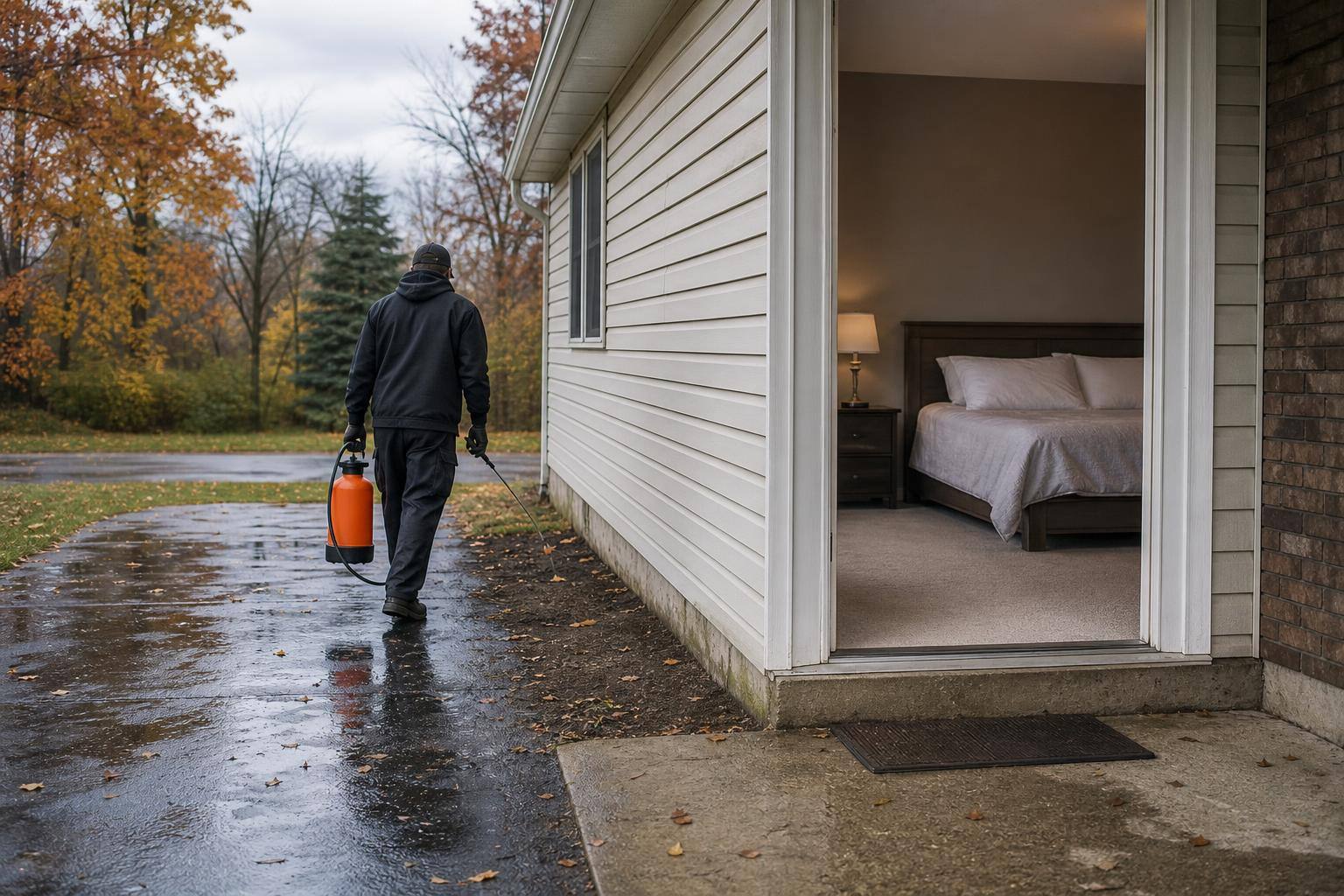
Bed bug treatment · Charlottesville, VA
Around Venable, an older home can share a wall with a student rental carrying a very different bed bug history. One phone conversation sorts the inspection or treatment that fits the Charlottesville property.
A real person answers · No forms · No waiting on a quote email
Plan
For a Charlottesville bedroom, apartment, or historic home, the call determines whether an inspection, single-room treatment, or whole-home treatment fits the signs and connected spaces.
Quote
The exact quote is given on the call, based on affected rooms, access, preparation, materials, time on site, and travel.
Time
The visit time is set on the call around access to the home, tenants, pets, and treatment areas.
From Rugby Road student rentals to Downtown Charlottesville row homes, Belmont apartments, and Fry’s Spring houses, bed bug work changes with shared walls, older trim, furnished rooms, and tenant access. The inspection checks sleeping areas, furniture, cracks, and other likely harborage sites before the treatment area is set.
Services
Charlottesville
Charlottesville has historic houses with layered trim, dense rentals near the University of Virginia, and apartments where adjoining units matter. A bed bug treatment starts with evidence, not guesswork. The work may stay in one bedroom, extend through connected rooms, or include nearby units when inspection findings show a shared risk.
A focused treatment for sleeping areas, including furniture and hiding places, suits many Charlottesville bedrooms after an inspection identifies the activity.
Charlottesville apartments need attention to shared walls, adjoining rooms, and tenant access before treatment is limited to one unit or expanded.
For older Downtown Charlottesville or Belmont homes, affected rooms and connected areas are treated according to inspection findings and the preparation plan.
Furniture treatment examines seams, joints, cracks, and nearby floor areas, useful for Charlottesville moves involving beds, sofas, dressers, or upholstered pieces.
A Charlottesville move-in inspection checks sleeping areas, furniture, and likely harborage sites before belongings are spread through a rental.
Hotel work in Charlottesville requires careful inspection of guest sleeping areas, furnishings, and connected spaces while keeping the treatment plan organized.
A Charlottesville multi-unit program coordinates affected units, shared areas, and nearby units when inspection findings point beyond one apartment.
The most common Charlottesville jobs begin with an inspection or a single-room treatment, especially in student rentals and older homes. Shared walls, multiple bedrooms, and signs in connected rooms can move the recommendation toward whole-home treatment or a multi-unit program.
A pest professional examines sleeping areas, furniture, cracks, and other likely harborage sites for evidence.
An inspection fits a Charlottesville move-in, a suspected room in a Rugby Road rental, or a report with unclear evidence. The professional examines sleeping areas, furniture, cracks, and likely harborage sites.
Treatment focuses on one affected room and commonly includes targeted application to hiding places and furnishings.
A single-room treatment suits a confirmed bedroom problem where inspection findings support a focused plan. In Charlottesville apartments, adjoining rooms and shared walls still need consideration before limiting the work.
The service treats affected rooms and connected areas according to the inspection findings and preparation plan.
Whole-home treatment fits a Charlottesville City house with signs in more than one room or activity near connected living areas. The inspection findings and preparation plan determine the treated spaces.
A coordinated program inspects and treats affected units, shared areas, and nearby units when appropriate.
A multi-unit program fits a Charlottesville apartment property with reports across units, shared areas, or nearby rooms. Coordination helps inspect and treat the locations connected by the findings.
Cost
The exact quote is given on the call after the job is described. Prices depend on the treatment type and size, affected rooms, evidence, preparation, access, time on site, distance, and the parts or materials required.
The number of affected rooms, sleeping areas, furnishings, cracks, and confirmed evidence changes the treatment scope in a Charlottesville home or rental.
Parking, stairs, locked rooms, tenant coordination, and travel from the Charlottesville service area can change time on site and the service cost.
Treatment materials and any parts needed for the planned work depend on the property, furnishings, harborage sites, and preparation conditions found during inspection.
Historic trim, crowded student rentals, shared walls, multiple floors, and nearby units can require more inspection and coordination than one open bedroom.
To avoid surprise charges, describe every affected room, recent moves, adjoining units, furnishings, access limits, and prior treatment on the call. The exact quote is set before the visit based on those details.
What goes in
Visible insects, shed skins, or spotting should be described carefully. In Charlottesville student rentals, reports from one bedroom can matter to adjoining rooms and shared walls.
Bites and dark droppings can support an inspection but do not identify every cause by themselves. Have room locations and recent sleeping arrangements ready for the Charlottesville call.
Infestation signs in mattress seams, bed frames, sofas, or dressers need the surrounding area reviewed. This is common during Charlottesville moves involving furnished rentals or stored furniture.
Not accepted. The service does not cover unrelated pests, unsafe work areas, inaccessible rooms, or belongings and materials that cannot be safely examined or treated.
Projects
A bedroom treatment examines the sleeping area, furnishings, cracks, and nearby hiding places. In Charlottesville rentals, shared walls may change the inspection scope.
Apartment work in Charlottesville considers adjoining units, shared walls, tenant schedules, and whether evidence remains limited to one room.
Whole-home service suits Charlottesville City houses where signs appear across bedrooms, connected rooms, or furnishings moved between spaces.
Furniture work checks seams, joints, frames, and nearby areas. It can help Charlottesville residents assess a sofa, bed, dresser, or upholstered item before moving it.
Hotel service examines guest sleeping areas, furnishings, and connected spaces in a coordinated Charlottesville treatment plan.
A Charlottesville move-in job checks the room and furnishings before new belongings are distributed through a rental or historic home.
Multi-unit service coordinates affected Charlottesville apartments, shared areas, and nearby units when inspection findings indicate a broader building concern.
A real person records the Charlottesville property type, rooms involved, visible evidence, access limits, and any prior treatment.
Explain where bites, droppings, insects, shed skins, or furniture signs appeared, including bedrooms and adjoining rooms.
Follow the preparation plan for furnishings, sleeping areas, pets, people, and access to cracks or other likely harborage sites.
The professional treats the areas identified by inspection and explains the follow-up plan for the property and connected spaces.
Weather
Humid Charlottesville summers can keep indoor areas damp, while heavy rain affects exterior access and winter freeze-thaw cycles can complicate movement around yards, steps, and foundations. The treatment itself is planned around the inspected interior areas and current property conditions.
Placement
Work takes place around sleeping areas, furniture, cracks, basements, utility rooms, and other likely harborage sites. In Charlottesville historic homes, layered trim and tight access can slow inspection. Apartments may also limit entry through tenant schedules, shared spaces, stairs, or locked rooms.
Permits
A bed bug treatment inside a Charlottesville City property does not usually involve placing equipment in the street, but unusual exterior access or public right-of-way use may raise a local question. Approval comes from the City of Charlottesville when applicable. The call covers who needs to arrange any required permission or inspection.
Charlottesville City landlords, condominium boards, HOAs, and covenants may have rules for treatment notices, access, or shared areas. Tenants should check the lease or property manager instructions before the visit, especially in dense rental buildings.
Clear access to affected bedrooms, furniture, cracks, utility areas, and shutoffs where relevant. Provide legal parking for the work vehicle, keep people and pets clear, and account for rain, humidity, muddy clay soil, or freeze-thaw conditions around entrances.
Service covers Downtown Charlottesville, Belmont, North Downtown, Venable, Rugby Road, Fry’s Spring, Woolen Mills, and neighborhoods across Charlottesville City. Work also reaches nearby housing and rental areas outside the city when the service area and visit details are confirmed on the call.
Not sure about your street? Ask on the call and we will tell you which office handles it.
Timing
Bed bug work in Charlottesville can arise in any season, but summer tenant turnover and travel increase reports around student rentals, hotels, and furnished housing. Autumn moves and winter indoor living also bring attention to bedroom and furniture signs. The inspection sets the treatment scope rather than the calendar alone.
Around the University of Virginia and nearby student housing, summer moves can expose signs in beds, sofas, and furnished rooms. Schedule access around tenants, cleaning crews, and belongings that still need inspection.
Cold weather keeps people indoors and freeze-thaw conditions can make exterior paths muddy or uneven. Charlottesville homes still need clear interior access, dry entry routes, and room preparation before treatment.
Service area
Charlottesville is part of our Charlottesville City coverage, and we also serve the neighboring communities below.
Why us
Charlottesville combines historic housing, dense University of Virginia rentals, apartments, and furnished move-in properties. That mix makes room boundaries, shared walls, tenant access, and furniture history central to choosing the treatment size.
Getcha Pest Control · Charlottesville
Heavy rain, humid summers, clay around foundations, and winter freeze-thaw cycles affect entrances and exterior movement, while older interior trim can create inspection challenges. The work plan follows the actual rooms, furnishings, and access at the Charlottesville property.
Click Here to Call (888) 510-9023FAQs
Still have a question about Charlottesville? Call (888) 510-9023 and ask a real person.
The exact quote is given on the call. Cost depends on the treatment type and size, affected rooms, evidence, furnishings, preparation, access, time on site, distance, and materials. Historic trim, multiple floors, or adjoining Charlottesville apartments can change the work scope.
An inspection is the starting point when the evidence is uncertain. A single-room treatment may fit a confirmed bedroom problem, while a whole-home treatment or multi-unit program fits findings across connected rooms, shared areas, or nearby Charlottesville units.
The visit time is set on the call because access, tenants, pets, room preparation, and the property type all matter. Ask about available timing and describe any urgent hotel, move-in, or student rental need when booking.
The treatment covers the rooms and areas identified by inspection and the preparation plan. Depending on the job, that can include sleeping areas, furniture, cracks, connected rooms, shared areas, or nearby units when the findings support broader work.
It does not cover unrelated pests, unsafe areas, inaccessible rooms, or belongings that cannot be safely examined or treated. Describe other pest activity and access limits in the Charlottesville property before the treatment scope is set.
A normal interior treatment generally does not involve a street permit, but unusual public right-of-way use or local requirements should be checked with the City of Charlottesville. The call covers who needs to arrange any permission or inspection.
Provide access to affected bedrooms, furniture, cracks, and connected areas, and follow the preparation plan given for the job. Keep people and pets clear, identify locked rooms, and explain tenant or landlord access limits before the visit.
Rain mainly affects exterior access, parking, steps, and muddy clay areas rather than the inspected indoor rooms. Humidity and freeze-thaw conditions should still be mentioned, especially when entrances, basements, or utility areas are difficult to reach.
They may need nearby units or shared areas checked when inspection findings point beyond one bedroom or apartment. Shared walls, common spaces, tenant turnover, and furnished rooms near the University of Virginia make the building context relevant.
Have the property type, affected rooms, signs found, furniture involved, recent moves, prior treatment, tenant access, pets, parking limits, and any nearby-unit reports ready. These details help determine whether the call should be for an inspection or a treatment.
A real person answers · No forms · Every quote given on the phone