Home flea treatment
Detached Chicago homes, including bungalows in Portage Park, may need affected rooms checked alongside basements, pet bedding areas, and nearby flooring.
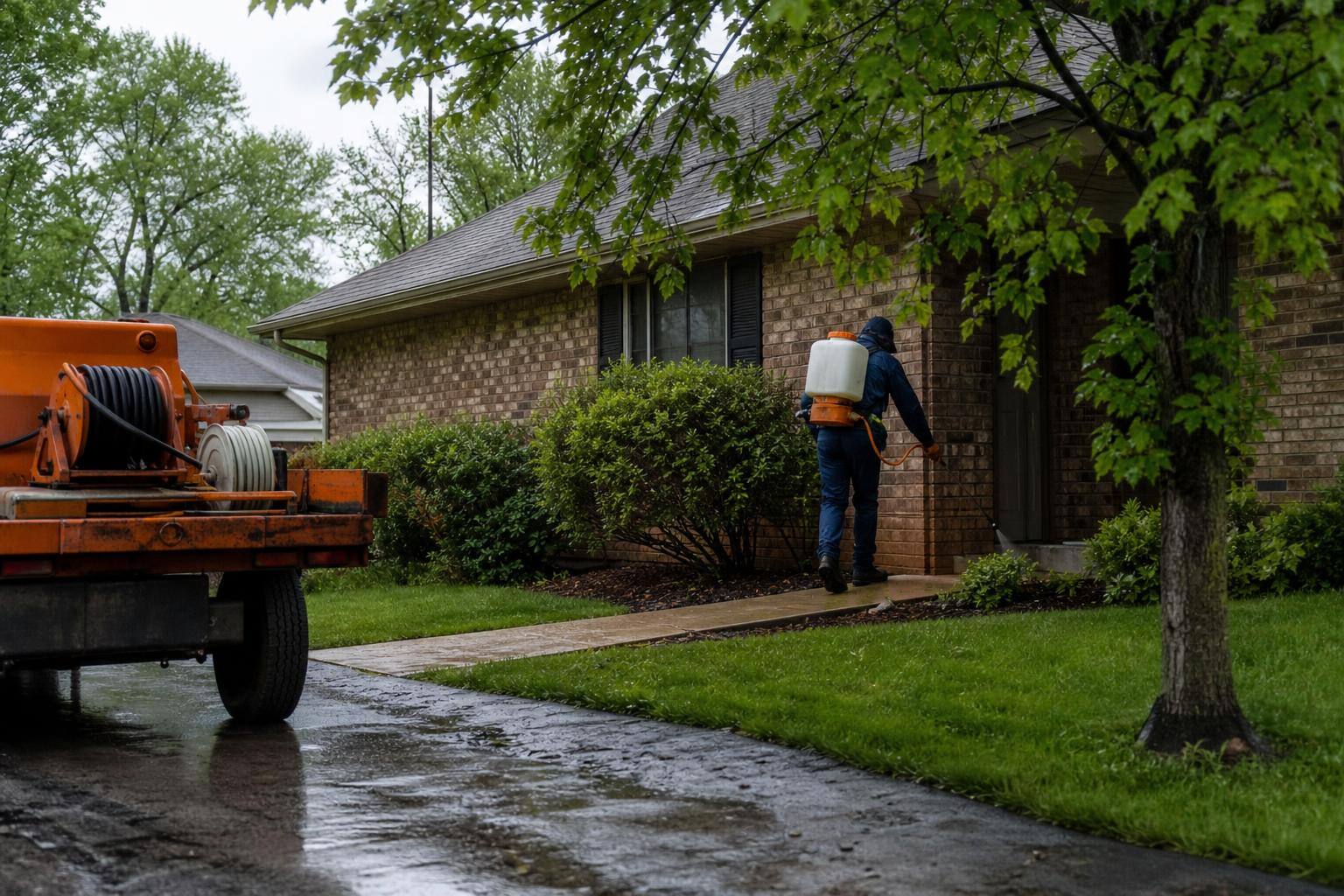
Flea treatment service · Chicago, IL
In a Lakeview apartment, fleas can move through shared halls, pet rooms, and floor gaps. One phone call sorts out the inspection and the treatment suited to the building.
A real person answers · No forms · No waiting on a quote email
Plan
Chicago apartments often start with an inspection or single-room treatment, while larger multifamily or detached-home activity may need whole-home treatment.
Quote
The exact quote is given on the call, based on treatment size, preparation, access, materials, distance, and time on site.
Time
The visit time is set on the call around building access, resident schedules, parking, and treatment preparation.
From basement flats in Logan Square to high-rise units in the Loop, flea work changes with shared walls, elevators, pets, and floor construction. Bungalows in Portage Park, homes near Midway, and lakefront buildings each need the affected rooms and access points checked before treatment is chosen.
Services
Chicago
Chicago flea work often happens in tight apartments, high-rise units, basement rooms, and older homes with several floor surfaces. Shared corridors, elevators, pet resting spots, and limited parking can affect how the work is prepared. The inspection looks at indoor rooms, pet areas, flooring, and outdoor locations before the treatment is matched to the property.
Detached Chicago homes, including bungalows in Portage Park, may need affected rooms checked alongside basements, pet bedding areas, and nearby flooring.
Apartment flea treatment accounts for Chicago high-rises, shared access, elevators, neighboring units, and the specific rooms where flea activity is found.
A bedroom treatment targets flooring and common harborages, useful in Chicago flats where activity is concentrated near sleeping areas or pet resting places.
Pet-area work checks bedding, resting spots, surrounding floors, and access paths in Chicago homes and apartments before treatment is completed.
Chicago yards, shaded edges, and enclosed pet areas can support flea activity, especially where outdoor harborages sit close to the home.
A move-in inspection helps check vacant rooms, flooring, and pet areas in Chicago apartments before furniture and household belongings fill the space.
Chicago property managers, pet businesses, and other commercial settings need treatment areas, shared access, and operating conditions reviewed before work begins.
Many Chicago jobs begin with an inspection because dense multifamily construction can hide activity across flooring, pet areas, and adjoining rooms. A single-room treatment fits contained activity, while whole-home or home and yard treatment suits broader findings.
A pest professional checks indoor rooms, pet resting areas, flooring, and outdoor locations for flea activity.
This fits a Chicago move-in, apartment complaint, or uncertain flea report. The professional checks indoor rooms, pet resting areas, flooring, and outdoor locations for activity.
Treatment targets one affected room and its common flea harborages after the area is prepared.
This suits a bedroom or one affected room in a Chicago flat when inspection findings point to common flea harborages within that limited area.
The service treats affected indoor areas throughout the home based on inspection findings and preparation needs.
This fits a Chicago bungalow, townhouse, or multi-room residence when affected indoor areas extend beyond one room and preparation is needed throughout the home.
Indoor and outdoor treatment addresses pet areas, shaded harborages, and other locations supporting flea activity.
This is suited to Chicago homes with indoor activity connected to shaded yards, pet areas, or outdoor harborages supporting fleas near the structure.
Cost
The exact quote is given on the call after the job is described. Cost depends on the type and size of the treatment, affected rooms, preparation, parts and materials, time on site, distance, building access, and after-hours work.
The quote changes with an inspection, single-room treatment, whole-home treatment, or home and yard treatment, along with the number of affected areas.
High-rise elevators, shared hallways, loading limits, parking distance, stairs, and dense paved access in Chicago can change time on site and travel needs.
Parts and materials depend on the treatment areas, flea harborages, flooring, pet zones, and outdoor locations identified during the inspection.
Preparation, furniture, occupied rooms, distance across Cook County, and after-hours work can affect the labor and service cost.
The call should cover the property type, affected rooms, pet areas, outdoor conditions, access limits, and preparation needs so the quote reflects the actual Chicago job rather than a vague allowance.
What goes in
This covers fleas found in bedrooms, living areas, basements, and flooring. A typical Chicago load may include a tight apartment layout, shared access, and several indoor surfaces.
This covers pet bedding, resting places, and nearby floors. In Chicago homes and apartments, the pet area may sit beside shared walls, utility rooms, or a busy hallway.
This covers shaded outdoor harborages and pet areas near the home. Chicago yards may be small, paved around the edges, or difficult to reach through dense property layouts.
Not accepted. The service does not cover unrelated pests, inaccessible areas, unprepared rooms, or items and conditions that cannot be safely treated as described on the call.
Projects
Bedroom treatment in Chicago targets one affected room after flooring, pet resting areas, and nearby flea harborages are checked.
Apartment flea work in Chicago accounts for elevators, shared halls, neighboring units, and the rooms identified during inspection.
Chicago bungalow and townhouse jobs may need whole-home treatment when activity reaches several rooms, basement areas, or connected flooring.
Pet-area treatment checks resting spots and surrounding floors in Chicago homes, with attention to the route between the pet area and living rooms.
Chicago yard treatment addresses shaded harborages and outdoor pet locations that may support activity beside the home.
A Chicago move-in inspection checks vacant flooring, rooms, and pet areas before belongings are brought into an apartment or house.
Commercial flea service in Cook County considers occupied areas, operating conditions, shared access, and the treatment locations identified on site.
A real person records the property type, Chicago location, affected areas, pet conditions, and access details for the inspection.
Explain pets, bedding, rooms, flooring, basements, outdoor areas, recent moving activity, and where flea signs were noticed.
Clear treatment paths, secure pets and people, and follow the preparation instructions for rooms, belongings, and outdoor areas.
The professional treats the areas supported by inspection findings and explains practical steps for reducing conditions that support flea activity.
Weather
Chicago winters are cold and snowy, while humid summers and lake-effect storms can affect outdoor access and yard work. Wet ground, snow, wind, and storm conditions may change how outdoor areas are approached. The visit conditions are reviewed when the appointment is set.
Placement
Work may involve bedrooms, flooring, basements, crawl spaces, slabs, utility rooms, pet areas, and yards. Chicago high-rises can limit access through elevators and shared halls, while dense paved ground, locked rooms, parked vehicles, and narrow side paths can restrict placement.
Permits
Flea treatment inside a private Chicago property generally does not involve a street permit, but street use, blocked sidewalks, vehicle placement, or public property questions may require direction from the City of Chicago. The call covers what local approval is needed and who arranges it.
Condominium, HOA, covenant, and landlord rules in Cook County may control treatment notices, access, pets, shared rooms, or outdoor areas. Have the property rules and manager details ready when booking.
The work area needs clear access to affected rooms, pet areas, basements, utility spaces, and any relevant shutoffs. Provide a workable parking location for the vehicle, keep pets and people away, and mention snow, wet ground, locked gates, elevators, or narrow paths.
Service covers Chicago neighborhoods and settings from the Loop, River North, and Lakeview to Logan Square, Portage Park, Hyde Park, Beverly, and the South Shore. Work also reaches Chicago apartment corridors, bungalow blocks, lakefront properties, and nearby Cook County locations such as River Forest and Skokie.
Not sure about your street? Ask on the call and we will tell you which office handles it.
Timing
Chicago flea concerns can surface indoors during cold snowy winters when pets and people spend more time inside, then continue through humid summers when outdoor pet areas and shaded harborages support activity. Lake-effect storms and wet conditions can complicate yard access. Busy periods depend on the property, pets, and where activity is found.
Cold Chicago weather keeps more activity and pet traffic indoors, making bedrooms, basements, flooring, and apartment rooms the practical focus while snow affects parking and exterior access.
Humid Chicago summers can make shaded yards and pet areas more relevant. Storms, wet ground, and dense paved surroundings may affect outdoor preparation and where equipment can be placed.
Service area
Chicago is part of our Cook County coverage, and we also serve the neighboring communities below.
Why us
Chicago combines high-rise living, older flats, bungalow basements, shared halls, and tightly paved lots. Flea treatment has to account for the actual floor plan, pet areas, elevator access, and whether outdoor harborages sit close to the building.
Getcha Pest Control · Chicago
A flea job in Chicago can be limited to one bedroom or spread through connected rooms and a yard. Inspection findings help match the treatment to the property instead of treating every address as if it had the same access or layout.
Click Here to Call (888) 510-9023FAQs
Still have a question about Chicago? Call (888) 510-9023 and ask a real person.
Chicago flea treatment cost depends on the treatment type and size, affected rooms, preparation, materials, time on site, distance, access, and after-hours work. High-rise elevators, shared halls, parking limits, and outdoor areas can change the job. The exact quote is given on the call.
An inspection is often the right starting point when the source or spread is uncertain. A single-room treatment may fit contained bedroom activity, while whole-home or home and yard treatment suits broader findings. The property layout, pet areas, and outdoor conditions are reviewed on the call.
The visit time is set on the call because building access, preparation, parking, and treatment conditions vary. Ask about available timing, including same-day or next-day possibilities, without assuming an arrival promise for a high-rise, bungalow, or yard.
The treatment covers the affected indoor areas or outdoor locations selected from inspection findings and preparation needs. Depending on the job, that may include rooms, flooring, pet resting areas, shaded yard harborages, and other locations supporting flea activity.
It does not cover unrelated pests, inaccessible areas, unprepared rooms, or items and conditions that cannot be safely treated. In Chicago apartments, shared rooms or neighboring units may require separate access and discussion with the property manager.
Private indoor flea treatment generally does not need a city permit, but street use, sidewalk obstruction, vehicle placement, or public property questions may involve the City of Chicago. The call covers whether local approval applies and who handles it.
Clear access is needed to affected rooms, flooring, pet areas, basements, utility spaces, and relevant outdoor locations. Chicago high-rises may also require elevator access, building entry, parking instructions, and permission for shared corridors or locked rooms.
Have the Chicago address, property type, affected rooms, pet details, flooring, basement or yard conditions, recent move-in information, and access limits ready. Mention where activity was seen and whether a landlord, HOA, or building manager controls entry.
Yes. Snow, wet ground, humid summer conditions, lake-effect storms, and wind can affect outdoor access and yard work. Indoor treatment may still depend on room preparation, parking, elevators, and safe access through the building.
Fleas can be associated with pets, shared areas, flooring, and connected activity, but the needed treatment depends on inspection findings. In Chicago multifamily buildings, report affected rooms and shared access conditions so the property layout can be considered before treatment.
A real person answers · No forms · Every quote given on the phone