Home flea treatment
Home treatment can cover affected rooms in Hanover masonry houses, including basement edges, flooring, pet bedding areas, and connected living spaces.
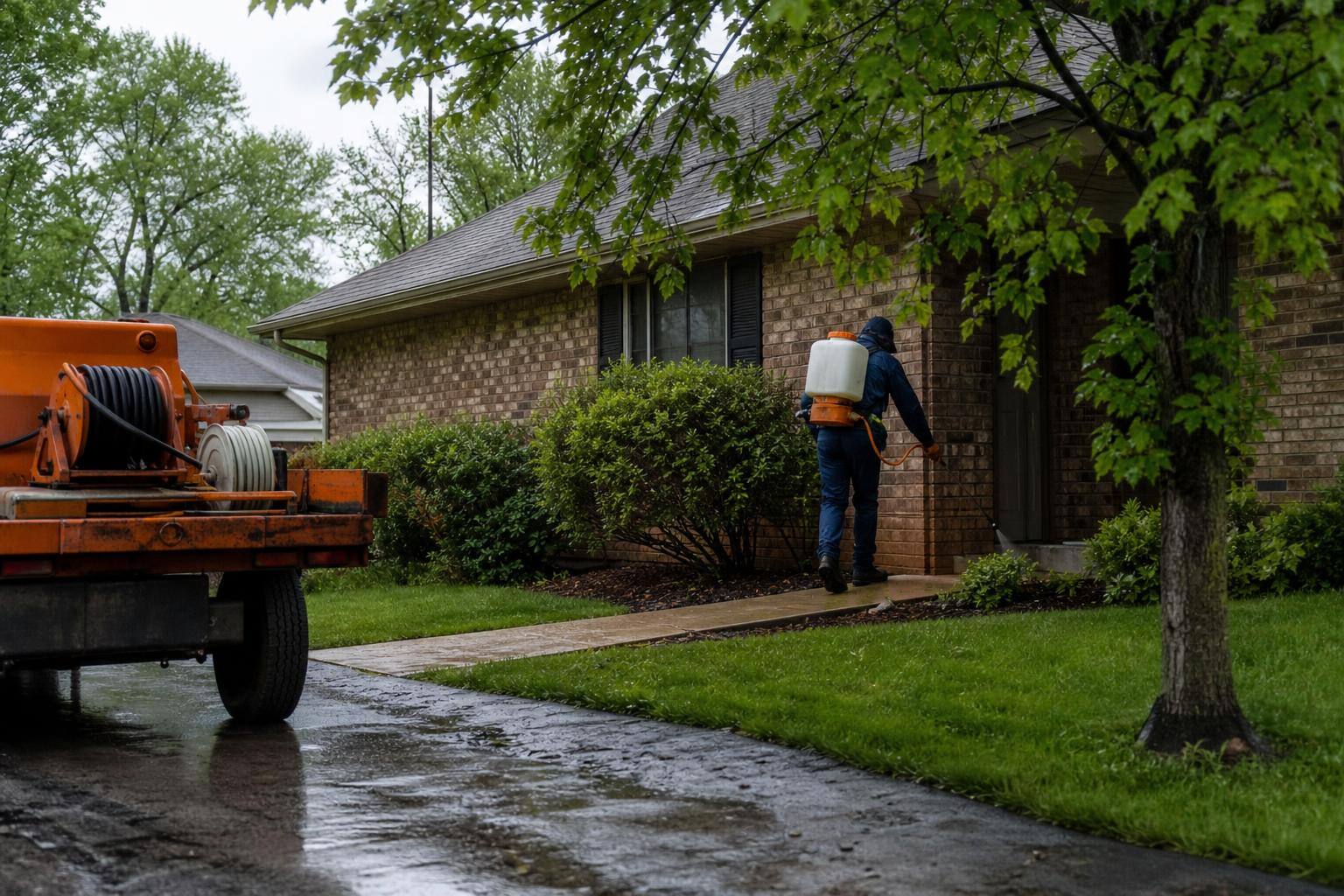
Flea treatment service · Hanover, PA
Older masonry homes along Hanover’s rolling farm roads often hold flea activity around basement edges, pet bedding, and shaded yards. One phone conversation sorts the inspection and treatment scope.
A real person answers · No forms · No waiting on a quote email
Plan
For an older Hanover masonry home, the call can match the job to an inspection, single-room treatment, or whole-home treatment based on rooms, pets, and yard conditions.
Quote
The exact quote is given on the call, based on treatment size, preparation, access, materials, and travel from Hanover.
Time
The visit time is set on the call around access, preparation, pets, and the property’s location.
Flea work in Hanover reaches older masonry homes near the square, apartments around South Hanover, houses along Carlisle Street, and farm properties toward York County’s rolling edges. Basement moisture, clay-loam soil, pet resting areas, and shaded foundation lines help determine whether the job stays indoors or extends into the yard.
Services
Hanover
Hanover’s older brick and masonry housing can have basements, floor gaps, and damp perimeter areas that shelter flea activity. Apartments and rental homes need careful room-by-room planning, while farm properties may add shaded pet areas and outdoor harborages. The treatment plan follows inspection findings, pet conditions, flooring, access, and the places where fleas are actually active.
Home treatment can cover affected rooms in Hanover masonry houses, including basement edges, flooring, pet bedding areas, and connected living spaces.
Apartment service focuses on affected rooms, shared-wall access, flooring, and pet areas in Hanover rentals near the square and South Hanover.
Bedroom treatment targets flooring, furniture edges, pet resting places, and other harborages in Hanover homes where activity is limited to sleeping areas.
Pet-area work examines bedding, crates, porches, mudrooms, and shaded spots around Hanover homes before selecting the treatment scope.
Outdoor treatment addresses shaded harborages, foundation edges, and pet routes around Hanover yards and rolling York County properties.
A move-in inspection checks rooms, flooring, closets, and pet areas before occupancy in Hanover apartments, older homes, or rental properties.
Commercial flea service can assess offices, rental buildings, kennels, and other Hanover work areas where people, pets, and access schedules affect treatment.
Many Hanover jobs begin with an inspection, then expand only where activity and preparation require it. Older homes with basements or connected rooms may need whole-home treatment, while a contained bedroom or pet area can fit a smaller visit.
A pest professional checks indoor rooms, pet resting areas, flooring, and outdoor locations for flea activity.
This fits a Hanover move-in, a new flea sighting, or a property where the source is unclear. The inspection checks rooms, pet areas, flooring, and outdoor locations.
Treatment targets one affected room and its common flea harborages after the area is prepared.
A single-room treatment suits a contained bedroom, apartment room, or Hanover rental area after preparation. Treatment targets that room and its common flea harborages.
The service treats affected indoor areas throughout the home based on inspection findings and preparation needs.
Whole-home treatment fits older Hanover masonry homes where activity has moved through connected rooms, basement areas, flooring, and several pet resting locations.
Indoor and outdoor treatment addresses pet areas, shaded harborages, and other locations supporting flea activity.
Home and yard treatment suits Hanover properties with indoor activity plus shaded outdoor pet areas, foundation edges, or damp harborages across a rolling lot.
Cost
The exact quote is given on the call after discussing the property, flea activity, pets, and access. Cost depends on the treatment type and size, preparation, time on site, materials, distance from Hanover, and any difficult entry or after-hours work.
The number of affected rooms, pet areas, flooring types, and outdoor locations changes the work required in a Hanover home or commercial space.
Rolling roads outside Hanover, farm-lot access, parking, basements, crawl spaces, and limited entry can affect time on site and travel.
Treatment materials and preparation supplies vary with indoor surfaces, pet harborages, shaded yard locations, and the conditions found during inspection.
Furniture movement, pet separation, connected rooms, tenant coordination, and after-hours access can change the labor needed for the Hanover visit.
To avoid surprise charges, describe every affected room, pet area, yard location, access restriction, and requested service during the call. The exact quote is given before the visit is set.
What goes in
This covers fleas found in bedrooms, living rooms, basements, flooring, or pet resting areas. A typical Hanover load is an older masonry house with basement access and several connected rooms.
This covers activity around bedding, crates, porches, mudrooms, and pet routes. Hanover homes with dogs moving between damp yards and interior rooms may need both areas assessed.
This covers shaded harborages, foundation edges, and outdoor pet locations. A typical Hanover farm-country load includes a rolling yard with clay-loam soil and recurring perimeter moisture.
Not accepted. The service does not cover unrelated pests, inaccessible areas, unsafe work conditions, or treatment of people and animals, and pets must stay clear during the work.
Projects
Bedroom treatment targets flooring, bed-area harborages, and pet resting places in Hanover homes when activity appears contained to one room.
Apartment service considers shared walls, tenant access, flooring, and pet conditions in Hanover rentals near the central streets.
Whole-home treatment suits older Hanover masonry houses where fleas may occupy connected rooms, basement edges, and several pet areas.
Pet-area service checks bedding, crates, porches, and mudrooms around Hanover properties before deciding whether nearby rooms also need treatment.
Yard treatment addresses shaded spots and foundation edges on rolling York County lots where pets spend time outdoors.
A move-in inspection helps Hanover renters and buyers check flooring, closets, bedrooms, and pet areas before settling into a property.
Commercial service plans around staff, customers, pets, and access at Hanover rental buildings, offices, and other working properties.
A real person records the Hanover address, property type, rooms involved, pet conditions, and whether activity is indoors, outdoors, or both.
Explain flooring, basement or crawl-space access, pet bedding, yard shade, moisture, and any preparation limits before the treatment scope is chosen.
Clear affected floors and pet areas, arrange entry to rooms and utility spaces, and keep people and animals away from the work area.
The professional treats locations supported by inspection findings and discusses practical prevention steps for the home, pet areas, and Hanover yard.
Weather
Hanover’s humid summers can keep perimeter soil and shaded pet areas damp, while winter freezes change outdoor activity and access. Rolling terrain and clay-loam soils may hold moisture near older foundations, so weather and ground conditions are considered when indoor and yard areas are planned.
Placement
Work may occur in bedrooms, basements, crawl spaces, slabs, utility rooms, pet areas, and yards around Hanover properties. Low clearances, stored belongings, locked rooms, steep ground, wet clay-loam soil, and limited parking can restrict where the professional can inspect or treat.
Permits
A flea treatment at a Hanover property normally does not involve a street permit or local inspection. If unusual placement, public access, or a property-specific requirement raises a question, the call covers whether the City of Hanover or another York County authority needs to be involved and who handles it.
York County landlords, HOAs, and covenant associations may set rules for yard access, notices, pets, or contractor entry. Tenants should check those rules and arrange owner approval before the Hanover treatment visit.
Keep a clear route to affected rooms, basement stairs, crawl-space entries, utility rooms, pet areas, and shutoffs. Provide parking for the work vehicle, keep pets and people away, and account for wet clay soil, frozen ground, or slippery rolling yards.
Service covers Hanover’s central streets, South Hanover, homes near the square, properties along Carlisle Street, and the town’s edges toward rolling York County farm country. Nearby work can also be discussed for Mechanicsburg, Sykesville, Lutherville Timonium, Elizabethtown, and Parkville.
Not sure about your street? Ask on the call and we will tell you which office handles it.
Timing
Flea activity in Hanover often becomes more noticeable during humid summer conditions, when pets use shaded yards and moisture remains around masonry foundations. Indoor findings can continue through winter, especially in heated rooms, basements, and apartments. Seasonal ground conditions affect outdoor access, but the inspection determines the treatment scope.
Summer humidity supports damp perimeter areas and shaded pet routes around Hanover homes. Outdoor findings may connect with indoor activity through doors, porches, mudrooms, and basement entries.
Winter freezes reduce outdoor movement but do not remove fleas from heated rooms, bedding, or basements. Frozen or muddy ground can also limit yard access around rolling properties.
Service area
Hanover is part of our York County coverage, and we also serve the neighboring communities below.
Why us
Hanover’s older masonry homes often combine basement edges, floor gaps, and damp perimeter soil. That makes the inspection more useful than treating a room by assumption, especially when pets move between a shaded yard and the house.
Getcha Pest Control · Hanover
Rolling farm-country properties can add distance, uneven access, clay-loam ground, and outdoor pet harborages to an otherwise indoor flea problem. The job is sized around those actual locations, not a generic room count.
Click Here to Call (888) 510-9023FAQs
Still have a question about Hanover? Call (888) 510-9023 and ask a real person.
The exact quote is given on the call. Cost depends on the treatment type and size, rooms and pet areas, preparation, time on site, materials, access, distance from Hanover, and after-hours work. Describe indoor and yard activity so the scope is accurate.
An inspection fits an uncertain source, a single-room treatment fits contained activity, a whole-home treatment fits connected rooms, and a home and yard treatment fits indoor activity linked to outdoor pet areas. Older masonry homes may need broader inspection because basements and perimeter moisture connect spaces.
The visit time is set on the call. Availability depends on the schedule, property access, preparation, and the work needed in Hanover or surrounding York County. Same-day or after-hours availability can be discussed, but it is not promised.
Treatment covers affected indoor rooms, flooring, pet resting areas, and outdoor locations supported by inspection findings. Depending on the tier, it can include a bedroom, connected home areas, pet areas, shaded harborages, and other locations supporting flea activity.
It does not cover unrelated pests, inaccessible areas, unsafe work conditions, or treatment of people and animals. Pets and people must remain clear during the work, and every affected location should be described before the Hanover visit.
A normal private-property flea treatment generally does not need a street permit or local inspection. If a property-specific rule or unusual public-access issue applies, the call covers whether the City of Hanover or York County authority needs to be involved.
Clear access to affected floors, bedrooms, basements, utility rooms, pet bedding areas, and yard locations. Arrange entry, separate pets and people, identify shutoffs, and mention low crawl spaces, stored items, or locked rooms before the visit.
Have the property location, home or apartment type, affected rooms, pet routines, flooring, basement or crawl-space details, yard conditions, access limits, and preferred visit information ready. Also explain when the activity was noticed and where it is continuing.
Humid summers can keep shaded yards and foundation edges damp, while winter freezes can limit outdoor access and leave indoor activity in heated rooms. The professional considers wet clay-loam soil, slippery ground, and the connection between yard and home areas.
Yes, older masonry homes may need whole-home treatment when activity appears across connected rooms, basement edges, flooring, or several pet resting areas. An inspection determines whether the problem is contained or connected through the home and perimeter.
A real person answers · No forms · Every quote given on the phone