Home flea treatment
Treatment for Allentown houses can cover affected rooms, basement access, pet resting areas, and other locations identified during the inspection.
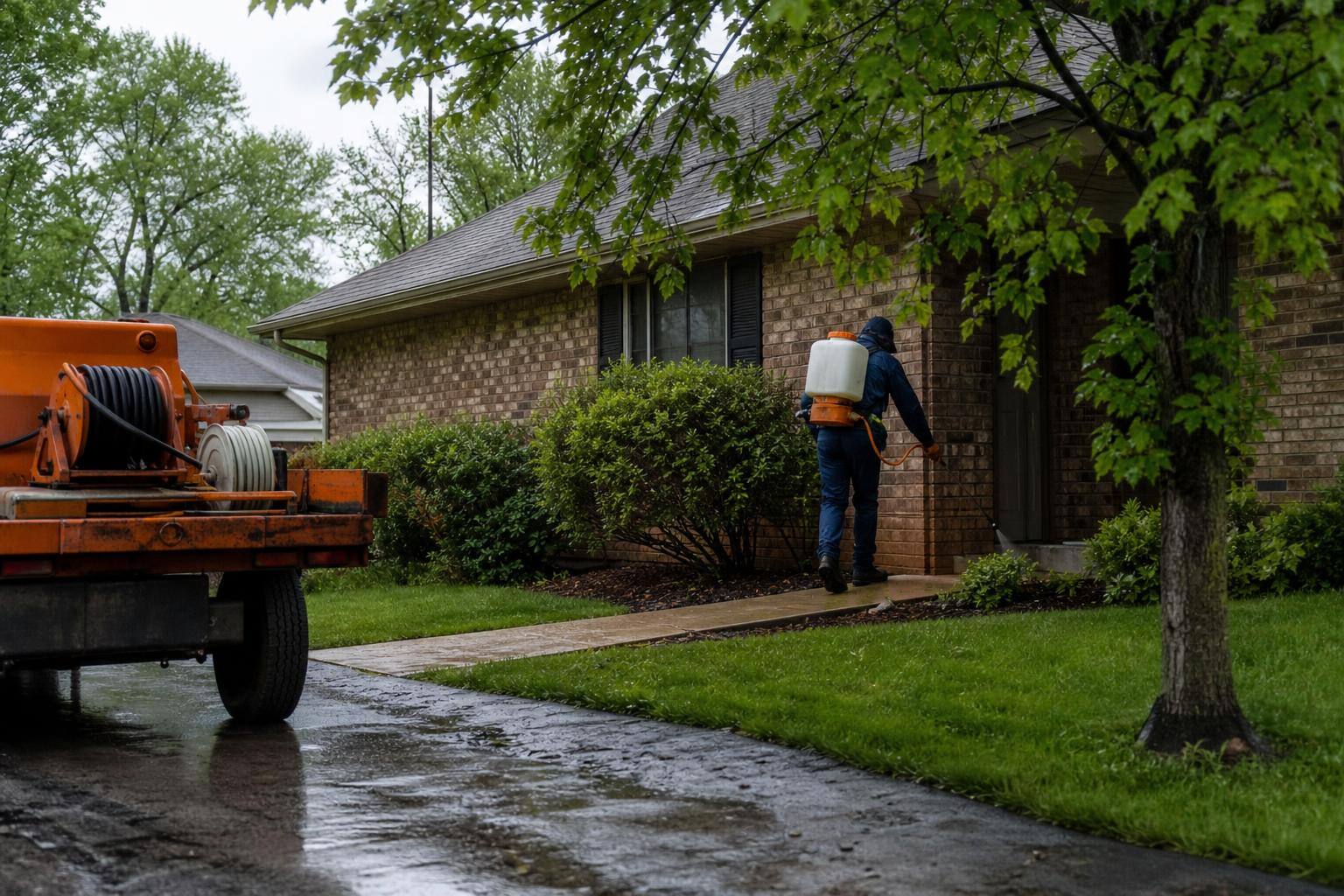
Flea treatment service · Allentown, PA
West End rowhomes often leave narrow gaps around basements, porches, and pet areas where fleas persist after humid weather. One call sorts the inspection, treatment size, preparation, and visit details for your Allentown property.
A real person answers · No forms · No waiting on a quote email
Plan
For dense Allentown rowhomes, apartments, and infill houses, the call usually sorts out an inspection, single-room treatment, or whole-home treatment based on rooms and pet areas involved.
Quote
The exact quote is given on the call, based on treatment size, access, preparation, materials, distance, and time on site.
Time
The visit time is set on the call around property access, pets, occupants, and the condition of the treatment areas.
From West End rowhomes to Old Allentown apartments, the work changes with connected walls, finished basements, and tight rear access. Homes near the Jordan Creek, industrial corridors, and urban infill can have different indoor and outdoor harborages. The inspection checks flooring, pet resting areas, basements, utility spaces, and shaded yard edges before treatment is sized.
Services
Allentown
Allentown's older rowhomes often place living spaces, basements, and utility areas close together, while apartment buildings can share walls and access routes. Urban infill brings newer slabs and tighter outdoor areas. Treatment planning accounts for where pets rest, how flooring is finished, whether a basement connects to living rooms, and whether shaded yard edges support activity.
Treatment for Allentown houses can cover affected rooms, basement access, pet resting areas, and other locations identified during the inspection.
Apartment flea work in Old Allentown or West End starts with room access, flooring conditions, pet areas, and shared-building access limits.
A bedroom treatment targets the affected room and common harborages, useful where activity is concentrated around bedding, flooring, or pet resting spots.
Pet-area treatment examines resting locations, nearby flooring, and connected rooms in Allentown homes before the treatment area is prepared.
Outdoor treatment checks shaded harborages, porch edges, and yard areas around Allentown properties where pets spend time.
A move-in inspection helps check bedrooms, basements, flooring, and pet-related areas before furniture and belongings fill an Allentown apartment or house.
Commercial flea service suits Allentown offices, rental properties, and other work areas where access, occupants, and affected zones must be coordinated.
The most common Allentown jobs fit a single-room treatment or whole-home treatment, especially in rowhomes and apartments where activity can move through connected rooms. A home and yard treatment fits pet properties with outdoor harborages or shaded ground supporting fleas.
A pest professional checks indoor rooms, pet resting areas, flooring, and outdoor locations for flea activity.
An inspection fits an Allentown move-in, a suspected bedroom problem, or a property where activity is not yet mapped. The professional checks rooms, flooring, pet areas, and outdoor locations.
Treatment targets one affected room and its common flea harborages after the area is prepared.
A single-room treatment fits a concentrated bedroom, apartment room, or pet resting area after preparation. It targets the affected room and its common flea harborages.
The service treats affected indoor areas throughout the home based on inspection findings and preparation needs.
A whole-home treatment suits rowhomes, apartments, and houses where findings extend through several indoor areas. Treatment follows inspection results and the preparation needs of each space.
Indoor and outdoor treatment addresses pet areas, shaded harborages, and other locations supporting flea activity.
A home and yard treatment fits Allentown properties where indoor activity is linked with pet areas, shaded ground, porch edges, or other outdoor harborages.
Cost
The exact quote is given on the call after the job is described. Cost depends on the type and size of the treatment, affected rooms, preparation, parts and materials, time on site, property access, distance from the Allentown setting, and after-hours work.
Inspection, single-room treatment, whole-home treatment, and home and yard treatment involve different affected areas, preparation needs, and time on site.
Dense rowhomes, apartment corridors, rear alleys, basements, stairs, and limited parking can change access from one Allentown property to another.
Parts and materials depend on the treatment plan, the surfaces involved, indoor or outdoor locations, and the findings from the inspection.
Distance, access, preparation, occupants, pets, and after-hours work can affect the service cost for an Allentown home or commercial space.
To avoid surprise charges, describe every affected room, pet area, yard condition, access restriction, and preferred visit time on the call. The exact quote is given before the visit is set.
What goes in
Indoor activity includes bedrooms, living rooms, basements, flooring, and utility spaces. In an Allentown rowhome, connected rooms and narrow stairs can affect inspection access.
Pet area work covers resting places and nearby indoor or outdoor harborages. Typical Allentown loads include beds, rugs, basement corners, porches, and shaded ground.
Yard problems include shaded harborages, pet routes, and outdoor locations supporting flea activity. Dense urban lots can require careful access around fences, porches, and infill construction.
Not accepted. The service does not cover unrelated pests, unsafe work areas, inaccessible rooms, or treatment of people, pets, food, personal belongings, or areas outside the agreed flea treatment.
Projects
Bedroom treatment targets affected flooring and common harborages, with preparation suited to occupied Allentown homes, apartments, and rowhouse bedrooms.
Apartment treatment accounts for shared walls, hall access, flooring, pet areas, and the building rules common in Old Allentown.
Whole-home work covers affected indoor areas identified during inspection, including basements and utility spaces in Allentown rowhomes.
Pet area treatment follows resting and travel patterns around West End homes, apartment units, porches, and connected flooring.
Yard treatment checks shaded harborages and pet-use areas around Allentown properties, including tight urban lots and rear access routes.
A move-in inspection checks an Allentown apartment or house before furniture arrives, including bedrooms, floors, basements, and pet-related areas.
Commercial work in Lehigh County coordinates affected rooms, occupants, access, and preparation for rental, office, or other working properties.
Describe the address setting, rooms involved, pet areas, outdoor locations, and whether the property is a rowhome, apartment, or commercial space.
Share pet routines, flooring, basements, utility rooms, recent moves, visible activity, and any access restrictions before the treatment is sized.
Follow the preparation instructions for rooms, floors, belongings, pets, people, and outdoor areas so identified harborages can be reached.
The professional completes the agreed treatment and explains practical prevention steps for affected rooms, pet areas, and outdoor harborages.
Weather
Allentown's humid summers can support flea activity around pets, shaded ground, and damp edges. Intense rainfall can change outdoor conditions and access, while winter freezes may drive activity toward indoor rooms. Outdoor treatment planning accounts for current ground conditions, exposed areas, and the property's protected harborages.
Placement
Work may occur in bedrooms, finished or unfinished basements, slabs, utility rooms, flooring, porches, and yards. Dense Allentown properties can limit access through narrow rowhome stairs, shared apartment entries, fences, rear alleys, stored belongings, locked rooms, parked vehicles, or wet ground.
Permits
Flea treatment at a private property generally does not require a street permit or local inspection, but street placement, vehicle access, or work affecting public space can be different. The City of Allentown can explain local requirements, and the call covers who needs to arrange any approval that applies.
Landlord, HOA, and covenant rules in Lehigh County may limit treatment notices, yard access, parking, or entry to shared areas. Tenants and owners should have those rules ready so the visit can be coordinated correctly.
Keep the affected rooms, pet areas, basements, utility spaces, and yard edges reachable. Provide parking for the work vehicle where possible, keep people and pets clear, unlock needed areas, and mention wet ground, freezing conditions, stairs, fences, or other seasonal access limits.
Service covers Allentown's West End, Old Allentown, Center City, East Side, South Side, and surrounding residential and industrial corridors. Work also reaches properties near the Jordan Creek and urban infill areas. Nearby service areas include Macungie, Royersford, King Of Prussia, Morrisville, and Princeton when arranged on the call.
Not sure about your street? Ask on the call and we will tell you which office handles it.
Timing
Allentown flea work commonly becomes more active during humid summer conditions, when pets use yards, porches, and shaded ground. Apartment and rowhome activity can remain indoors after outdoor conditions change. Intense rainfall, autumn dampness, and winter freezes affect where activity is found and how outdoor areas can be reached.
Summer humidity can support activity around pet resting places, shaded yard edges, porches, and basement entries. In dense Allentown neighborhoods, the inspection checks how outdoor areas connect with indoor flooring and rooms.
Freezing weather can shift attention toward protected indoor spaces such as bedrooms, basements, utility rooms, and flooring. Keep access clear and describe recent pet movement when setting an Allentown winter visit.
Service area
Allentown is part of our Lehigh County coverage, and we also serve the neighboring communities below.
Why us
Allentown's industrial-era rowhomes bring connected rooms, tight stairs, basements, rear entries, and narrow outdoor areas into the treatment plan. The inspection has to follow flea harborages through the actual access pattern instead of treating every property like a detached suburban house.
Getcha Pest Control · Allentown
Old Allentown apartments, West End homes, and newer infill can have very different flooring, slabs, utility spaces, and pet routes. Treatment is sized from those conditions, plus the wet summers, heavy rainfall, and winter freezes affecting indoor and outdoor activity.
Click Here to Call (888) 510-9023FAQs
Still have a question about Allentown? Call (888) 510-9023 and ask a real person.
The exact quote is given on the call after the affected rooms, pet areas, access, preparation, materials, distance, and visit conditions are described. A tight rowhome stairway, shared apartment entry, basement, or outdoor yard can change the work involved, so the address setting and treatment size matter.
An inspection fits uncertain activity, a single-room treatment fits a concentrated room, a whole-home treatment fits connected indoor activity, and a home and yard treatment fits indoor activity linked with outdoor pet areas. Older Allentown rowhomes often need the indoor scope checked carefully because rooms and basements are closely connected.
The visit time is set on the call after the property, access, pets, occupants, and preparation needs are reviewed. Ask about available timing, including same-day or next-day options, without assuming those options apply to every Allentown address.
The treatment covers affected indoor areas, pet resting locations, flooring, shaded outdoor harborages, or other locations identified by the inspection and agreed treatment scope. The work may involve bedrooms, basements, utility rooms, porches, and yards depending on the property.
Flea treatment does not cover unrelated pests, unsafe areas, inaccessible rooms, people, pets, food, personal belongings, or areas outside the agreed scope. Move loose items, keep pets and people clear, and identify locked or restricted spaces before the visit.
Private-property flea treatment generally does not need a permit or local inspection, but work involving public space, street placement, or unusual access may require guidance from the City of Allentown. The call covers which party needs to arrange any approval that applies.
Keep affected floors, bedrooms, basements, utility rooms, pet areas, and yard edges accessible, and follow the preparation instructions provided on the call. Mention narrow rowhome stairs, shared apartment entries, rear alleys, locked rooms, parking limits, and stored belongings.
Have the Allentown address, property type, affected rooms, pet routines, flooring, basement details, outdoor areas, access limits, recent move information, and preferred visit conditions ready. Also mention whether the property is occupied, rented, shared, or commercial.
Rain can change outdoor ground conditions and access, while winter freezes may shift attention toward protected indoor harborages. Humid summer weather can support activity around pets and shaded ground, so describe current indoor and outdoor conditions when setting the visit.
Yes, a basement can be included when it is part of the affected treatment area and accessible for inspection and preparation. In Old Allentown and other dense rowhome areas, basement stairs, utility equipment, stored belongings, flooring, and connected rooms should be described on the call.
A real person answers · No forms · Every quote given on the phone