Residential spider control
Residential service covers Allentown rowhomes, detached homes, and compact yards where webs gather around windows, steps, porches, and foundation lines.
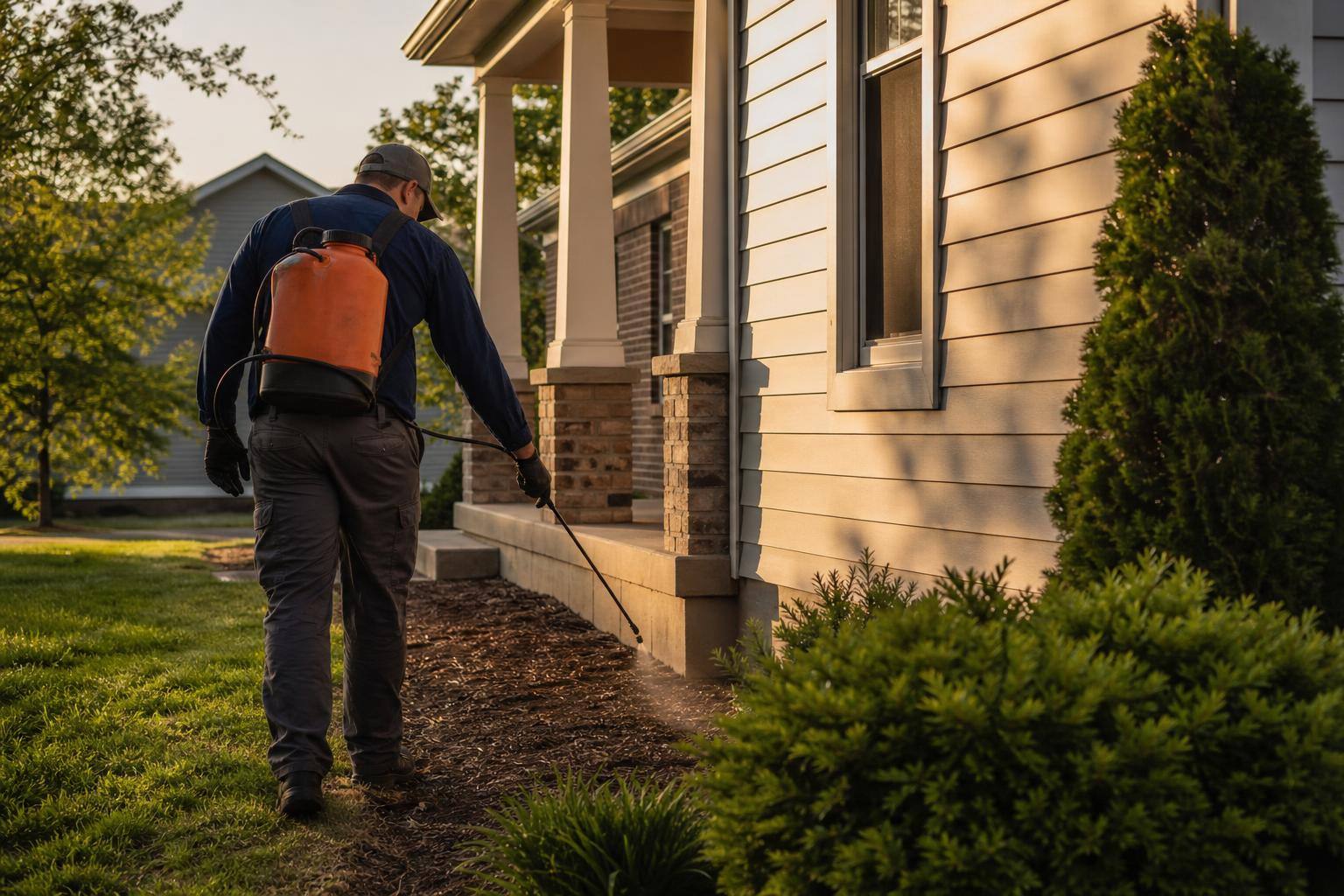
Spider control service · Allentown, PA
In Allentown’s West End rowhomes, spiders often work into basement windows, rear porches, and tight utility spaces. One phone call sorts the activity, access, and treatment plan.
A real person answers · No forms · No waiting on a quote email
Plan
For dense Allentown rowhomes, apartments, and urban infill, a targeted treatment usually fits visible activity, while a whole-home treatment suits repeat findings across basements, attics, and exteriors.
Quote
The exact quote is given on the call, based on treatment scope, access, materials, time on site, and distance.
Time
The visit time is set on the call around access to the property and the work areas needing treatment.
Allentown’s West End, Old Allentown, South Side, and Jordan Heights include older rowhomes, converted apartments, and compact lots where spiders use masonry gaps, basement wells, porches, and utility entries. Treatment is sized around the actual hiding areas, web locations, and access available at each property.
Services
Allentown
Allentown’s industrial-era rowhomes put exterior walls close together, with narrow side yards, shared walls, basement entries, and porch roofs creating connected travel routes. Infill properties may have newer slabs and utility penetrations, while older homes often have damp basements and window wells. The treatment is matched to those conditions instead of treating every property the same way.
Residential service covers Allentown rowhomes, detached homes, and compact yards where webs gather around windows, steps, porches, and foundation lines.
Indoor treatment focuses on basements, attics, closets, utility rooms, and apartment corners in Old Allentown and nearby dense housing.
Outdoor treatment addresses webs and travel areas around South Side entries, rear porches, fences, foundations, and exterior lighting.
Web removal suits visible buildup under eaves, porch ceilings, basement windows, and commercial doorways across Allentown.
Recurring prevention uses scheduled inspections and perimeter treatments for Allentown properties with repeated activity after humid weather.
Property managers can coordinate treatment for connected rowhome units, apartment buildings, shared basements, and infill properties in Allentown.
Commercial service addresses webs around loading areas, utility doors, warehouses, and exterior lighting in Allentown’s industrial corridors.
Most Allentown jobs begin with an inspection or targeted treatment. A focused visit fits one basement, porch, or entry, while whole-home treatment or recurring prevention makes more sense when activity follows connected spaces or returns after treatment.
A technician checks common hiding areas, identifies spider activity, and looks for conditions attracting spiders.
An inspection fits an Allentown homeowner who sees occasional spiders in a basement, attic, or rowhome window area but needs the hiding areas and attracting conditions identified first.
A targeted treatment addresses visible activity in selected indoor or outdoor areas and may include web removal.
A targeted treatment suits visible webs around a South Side porch, basement windows, or selected indoor rooms where activity is limited to defined areas.
A whole-home service treats interior and exterior areas where spiders commonly travel, shelter, or build webs.
A whole-home treatment fits older Allentown rowhomes, apartments, or detached properties where spiders travel between basements, utility entries, living areas, and exterior walls.
A recurring plan uses scheduled inspections and perimeter treatments to help reduce repeat spider activity.
Recurring prevention suits property managers and homeowners dealing with repeat activity around connected rowhome walls, damp foundations, exterior lights, and sheltered porches.
Cost
The exact quote is given on the call after the job is described. Cost depends on the type and size of the treatment, affected areas, parts and materials, time on site, access, distance from the Allentown setting, and after-hours work.
An inspection, targeted treatment, whole-home treatment, and recurring prevention require different preparation and work areas, especially in multi-level Allentown rowhomes.
Narrow alleys, shared entrances, basement stairs, locked utility rooms, and distance from the Allentown service area can change time on site and access work.
The quote accounts for treatment materials, web removal supplies, protective materials, and any parts needed for the selected spider treatment.
After-hours work, heavy rain, frozen ground, cramped storage, and activity spread across interior and exterior areas can change the required labor.
To avoid surprise charges, describe every affected area, mention locked rooms or shared spaces, and ask that the quote reflect access, materials, travel, and any after-hours work before the visit is set.
What goes in
This covers spiders or webs in basements, attics, utility rooms, and living areas. In Allentown rowhomes, mention shared walls, window wells, and any activity near heating or plumbing entries.
This covers webs around porches, eaves, fences, lights, doors, and foundation lines. Compact Allentown lots often place several exterior travel routes close to the home.
This covers activity that returns after cleaning or a prior treatment. Humid summers and sheltered masonry gaps in Allentown can support repeat activity around the same entries.
Not accepted. The service does not cover unrelated pest species, unsafe or inaccessible areas, concealed structural repairs, or treatment of spaces that people and pets cannot be kept out of.
Projects
Attic treatment checks roofline edges, insulation access, vents, and stored items where spiders can shelter in Allentown homes.
Basement service targets window wells, slab edges, pipes, storage corners, and damp masonry common in older Allentown rowhomes.
Garage treatment addresses door seals, wall joints, stored materials, and exterior lighting on compact Allentown properties.
Exterior service covers porch ceilings, eaves, foundation lines, and rear entries in Allentown’s West End and South Side.
Web removal suits visible buildup around Allentown windows, porches, fences, commercial doors, and sheltered exterior lights.
Apartment service considers the unit, shared utility areas, basement access, and building rules in dense Allentown housing.
Commercial treatment fits loading doors, warehouse edges, utility entries, and lighting around Allentown industrial and infill properties.
A real person answers by phone. Describe the property, visible activity, affected areas, and any access limits in Allentown.
Explain where webs or spiders appear, how often they return, and whether basements, attics, shared spaces, or exteriors are involved.
The treatment plan and exact quote are discussed on the call, including the areas to treat and conditions that may affect the work.
The technician works through the approved areas, removes accessible webs when included in the plan, and discusses measures for repeat activity.
Weather
Allentown’s humid summers can increase activity around shaded masonry, porches, and exterior lights. Intense rainfall can move spiders toward doors, basements, and higher foundation areas. Winter freezes change outdoor activity and can limit exterior access, so the visit is planned around ground, rain, and temperature conditions.
Placement
Work may occur in crawl spaces, on slabs, in basements, utility rooms, attics, yards, porches, and exterior foundation lines. Shared rowhome access, narrow alleys, locked rooms, stored belongings, steep steps, and parked vehicles can limit where equipment and technicians can move.
Permits
Spider treatment at a private property generally does not require a street permit, but work involving public space, unusual vehicle placement, or a local inspection can differ. The City of Allentown is the place to ask about street placement, and the call covers who must arrange any required approval.
Lehigh County landlords, HOAs, and covenants may set rules for exterior treatment, entry notices, shared basements, parking, or contractor access. Have those rules ready so the work plan fits the property agreement.
Clear a path to the affected rooms, crawl spaces, slabs, basements, utility rooms, yards, and shutoffs. Provide legal parking for the work vehicle, keep pets and people away, unlock needed areas, and account for rain, frozen ground, and wet surfaces.
Service covers Allentown’s West End, Old Allentown, South Side, Jordan Heights, Center City, East Side, and industrial corridors, including rowhomes, apartments, detached houses, and commercial buildings. Nearby service areas can include Macungie, Royersford, King Of Prussia, Morrisville, and Princeton when arranged on the call.
Not sure about your street? Ask on the call and we will tell you which office handles it.
Timing
Spider activity in Allentown often becomes more noticeable during humid summer weather, especially around masonry, porches, basement windows, and exterior lights. Intense rain can shift activity toward sheltered entries and basements. Winter freezes reduce outdoor movement, but indoor sightings can continue in heated attics, basements, and utility rooms.
Warm, humid conditions can make exterior webs more visible around Allentown porches, eaves, fences, and lights. Describe whether the activity is outside only or has moved through doors and utility entries.
Winter freezes can limit exterior work, while thawing and rain expose wet foundation edges and basement entry points. Keep access clear and mention leaks, damp storage areas, or recent flooding before the visit.
Service area
Allentown is part of our Lehigh County coverage, and we also serve the neighboring communities below.
Why us
Allentown’s dense rowhome blocks create narrow side access, shared walls, rear alleys, and stacked living spaces. Spider treatment must account for basement windows, utility entries, porches, and neighboring activity rather than only the room where a spider was seen.
Getcha Pest Control · Allentown
Industrial-era buildings and newer urban infill can sit side by side, so construction details vary from masonry foundations and damp slabs to newer utility penetrations. The treatment is selected after identifying where spiders travel, shelter, and build webs at the specific property.
Click Here to Call (888) 510-9023FAQs
Still have a question about Allentown? Call (888) 510-9023 and ask a real person.
The exact quote is given on the call. Cost depends on the treatment tier, size and location of activity, interior and exterior access, time on site, materials, distance, and after-hours work. Describe every affected room, porch, basement, or commercial area so the quote reflects the actual Allentown job.
An inspection fits uncertain activity, a targeted treatment fits defined rooms or exterior areas, and a whole-home treatment fits activity spread across connected spaces. Recurring prevention suits repeat problems. Older Allentown rowhomes often need attention to basements, rear entries, and exterior walls together.
The visit time is set by phone after the property and activity are described. Ask about available timing, including after-hours options, and explain if a basement, apartment, commercial space, or shared entry has restricted access.
The work covers the areas selected in the treatment plan, such as indoor rooms, basements, attics, utility spaces, porches, foundation lines, yards, or commercial entries. Web removal may be included where planned. State whether activity is indoors, outdoors, or moving between both.
It does not cover unrelated pest species, concealed structural repairs, unsafe areas, or spaces that cannot be accessed safely. It also does not replace repairs for leaks, damaged screens, masonry gaps, or other building conditions that may attract spiders in Allentown properties.
Private spider treatment generally does not need a permit, but public-space work, unusual street placement, or a local inspection can change that. The City of Allentown can address street questions, and the call covers who must arrange any required approval.
People and pets need to stay clear of active work areas, but the required arrangement depends on the treatment plan and products used. Provide access to basements, attics, utility rooms, garages, yards, and shared areas before the visit.
Have the property address, affected rooms or exterior areas, recent sightings, web locations, access restrictions, pets, recent treatments, and landlord or HOA rules ready. For Allentown rowhomes, mention shared walls, alleys, basements, and rear entrances.
Rain, intense storms, wet ground, and winter freezes can affect exterior access and may shift activity toward sheltered entries or basements. Indoor work may still be planned, while exterior areas are set around safe conditions and clear access.
Yes, treatment can be planned for Allentown rowhomes, including basements, window wells, porches, rear entries, utility spaces, and exterior foundation lines. Shared walls, narrow alleys, locked areas, and neighboring units should be described so the work area is sized correctly.
A real person answers · No forms · Every quote given on the phone