Residential spider control
Residential treatment covers Duluth houses, cabins, basements, garages, and exterior areas where shelter and moisture support spider activity.
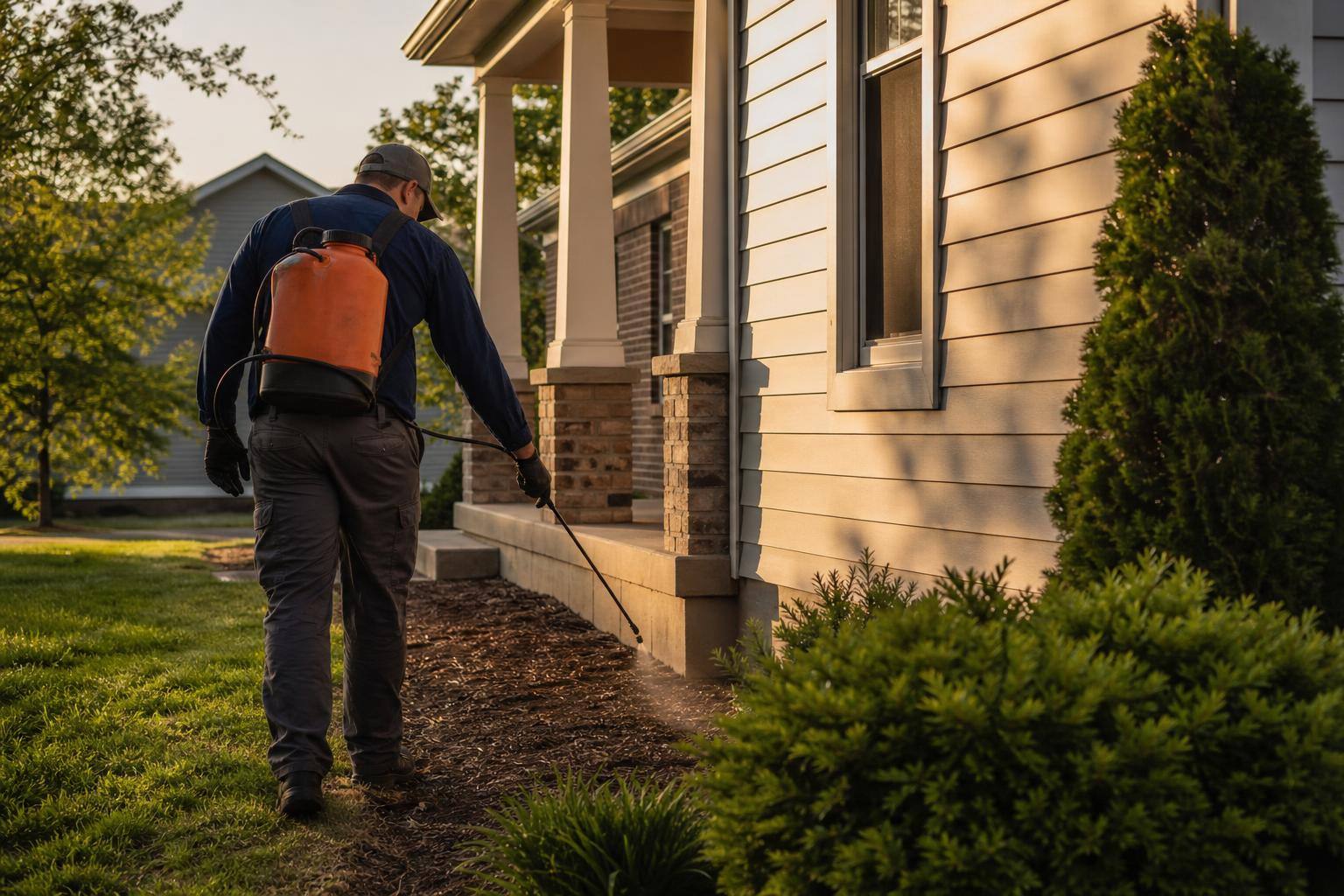
Spider control service · Duluth, MN
A hillside home above Duluth’s Park Point can collect webs around basement windows and deck supports after snow retreats. One phone conversation sorts the activity, access, and treatment size.
A real person answers · No forms · No waiting on a quote email
Plan
Steep lots, older hillside homes, and Lake Superior cabins usually need a targeted treatment or whole-home treatment, depending on indoor activity and exterior web coverage.
Quote
The quote is given on the call, based on treatment size, access, materials, distance, and time on site.
Time
The visit time is set on the call around property access, snow conditions, and the work area.
Spider work changes across Duluth, from older hillside houses in Lincoln Park and West Duluth to lake-facing homes near Park Point and Congdon Park. Basements, garages, porches, rocky yards, and steep driveways all affect inspection and treatment placement. Properties near Lake Superior may also need exterior web attention after damp spring weather.
Services
Duluth
Duluth homes often have basements, attached garages, porches, and utility areas that stay sheltered through severe winters. Steep rocky lots can make exterior edges difficult to reach, while spring runoff leaves damp hiding places around foundations. Treatment is matched to the activity, the building, and the parts of the property a technician can safely access.
Residential treatment covers Duluth houses, cabins, basements, garages, and exterior areas where shelter and moisture support spider activity.
Indoor treatment focuses on Duluth basements, utility rooms, attic edges, window areas, and other places spiders travel or build webs.
Outdoor treatment addresses webs around Duluth porches, foundation lines, detached garages, decks, and rocky yard edges.
Web removal clears visible buildup from Duluth eaves, entrances, railings, light fixtures, and sheltered corners before treatment.
Recurring prevention uses scheduled inspections and perimeter treatments for Duluth properties with repeat activity after thaw or wet weather.
Property managers in Duluth can address repeated spider activity across apartment entries, shared basements, garages, and exterior walkways.
Commercial work in Duluth considers loading areas, service doors, storage rooms, utility spaces, and exterior lighting that attracts activity.
The targeted treatment fits many Duluth jobs when activity is limited to a basement, garage, porch, or selected exterior area. Whole-home treatment makes more sense when spiders are moving through several floors, outbuildings, and perimeter zones.
A technician checks common hiding areas, identifies spider activity, and looks for conditions attracting spiders.
An inspection suits a Duluth homeowner who has found scattered webs in a basement or garage but needs activity identified before choosing treatment.
A targeted treatment addresses visible activity in selected indoor or outdoor areas and may include web removal.
A targeted treatment fits a West Duluth house with visible webs at a porch, foundation, or selected indoor area, especially when the rest of the property is quiet.
A whole-home service treats interior and exterior areas where spiders commonly travel, shelter, or build webs.
A whole-home treatment suits a steep hillside property where spiders travel between basement windows, utility spaces, porches, attic edges, and exterior walls.
A recurring plan uses scheduled inspections and perimeter treatments to help reduce repeat spider activity.
Recurring prevention fits Duluth properties that repeatedly develop webs after spring runoff, damp summers, or sheltered winter access around the perimeter.
Cost
The quote is given on the call after the work area is described. Cost depends on the type and size of treatment, indoor and outdoor coverage, parts and materials, time on site, distance, access, and after-hours work.
A basement corner, selected exterior areas, and a whole Duluth property require different amounts of inspection, preparation, treatment, and web removal.
Steep rocky slopes, deep snow, narrow drives, and difficult foundation edges can change the time and access needed around Duluth homes.
Parts and materials vary with the selected treatment, the surfaces involved, and whether indoor areas, perimeter zones, or web removal require additional work.
Distance from Duluth, time on site, property layout, and after-hours work can affect the quote when access is limited or activity is widespread.
The exact quote is given on the call after the activity and property layout are discussed. Have the address, affected areas, access concerns, and preferred visit details ready so the work is scoped before scheduling.
What goes in
This covers spiders or webs in Duluth basements, attics, garages, utility rooms, window areas, and other indoor parts of the building.
This covers webs on Duluth porches, eaves, decks, foundation walls, entrances, and light fixtures, including exterior areas made difficult by steep lots.
This covers repeat activity around Duluth homes, apartments, and commercial buildings after spring runoff, damp weather, or seasonal vacancy.
Not accepted. The service does not cover unrelated pests, unsafe areas that cannot be accessed, or materials and conditions outside the agreed spider treatment.
Projects
Attic treatment addresses webbing and sheltered travel routes in Duluth homes, including older properties where roof edges and insulation areas are difficult to inspect.
Basement work suits Duluth houses with webs near windows, utility lines, storage, or foundation walls affected by damp spring conditions.
Garage treatment addresses corners, door tracks, stored items, and exterior transitions at Duluth homes where winter shelter carries into warmer weather.
Exterior work covers eaves, porches, decks, lights, and foundation edges around Duluth homes, including properties on steep rocky slopes.
Web removal clears visible buildup from entrances, railings, and sheltered corners in Duluth, then helps identify where spider activity is continuing.
Apartment work can focus on entries, shared basements, storage areas, and exterior walkways in Duluth buildings managed across St. Louis County.
Commercial treatment considers service doors, loading areas, storage, utility rooms, and exterior lighting at Duluth properties along busy corridors.
A real person answers by phone, records the Duluth address, and helps determine whether the job needs inspection, treatment, or recurring prevention.
Explain where spiders or webs appear, how often they return, which rooms or exterior areas are involved, and what access limits exist.
The treatment plan is matched to the property, activity, access, and selected service before the visit is scheduled.
The technician treats the agreed areas, removes accessible webs when included in the plan, and identifies conditions that may support repeat activity.
Weather
Duluth snow and severe winter cold can hide exterior activity and restrict foundation access. Spring runoff can leave damp edges around basements and rocky slopes. Cool summers still support activity in sheltered spaces, so the work plan may change with snow cover, wet ground, and safe access.
Placement
Work may occur in crawl spaces, slabs, basements, garages, utility rooms, attics, porches, yards, and foundation edges. Duluth’s steep rocky slopes, deep snow, narrow drives, and wet ground can limit where a technician can safely walk, park, or reach exterior areas.
Permits
Spider treatment at a private Duluth property generally does not require a local government permit or inspection, but unusual street use, blocked access, or work affecting public space should be checked with the City of Duluth. The call covers who needs to arrange any approval if the site conditions make that relevant.
A St. Louis County HOA, covenant, condominium association, or landlord may set rules for exterior treatment, entry access, scheduling, or notices. Get the property manager’s instructions ready so the work stays within site rules.
Clear access to the affected rooms, crawl spaces, utility areas, foundation edges, and shutoffs. Provide parking for the work vehicle where possible, keep pets and people clear, and mention deep snow, ice, runoff, steep slopes, or locked areas before the visit.
Coverage includes Duluth neighborhoods and settings such as Lincoln Park, West Duluth, East Hillside, Congdon Park, Lakeside, Morgan Park, Spirit Valley, Park Point, and the Lake Superior shoreline. Work also reaches properties across St. Louis County when distance and access are reviewed on the call.
Not sure about your street? Ask on the call and we will tell you which office handles it.
Timing
Spider activity in Duluth often becomes easier to see after winter snow recedes and webs return around doors, porches, lights, and foundation edges. Spring runoff can increase damp shelter near basements, while cool summer weather keeps spiders active in protected indoor and outdoor areas. Fall inspections can address sheltered spaces before severe winter conditions.
As snow retreats around Duluth, runoff can expose webs and damp foundation areas while making rocky slopes and driveways soft or difficult to cross. Describe those conditions when setting the work area.
Severe winter cold pushes spiders into garages, basements, utility rooms, and other protected spaces. Deep snow may cover exterior web locations, so indoor signs and safe access matter during planning.
Service area
Duluth is part of our St. Louis County coverage, and we also serve the neighboring communities below.
Why us
Duluth’s hills are not just scenery when spider treatment is being planned. A foundation on a steep rocky lot may have limited walking space, snow-packed approaches, and separate basement, porch, and garage access points that change the treatment layout.
Getcha Pest Control · Duluth
Lake Superior weather, spring runoff, and deep winter snow create sheltered transitions around basement windows, exterior lights, decks, and utility spaces. Treatment here starts with locating those protected routes instead of assuming every part of a property is equally reachable.
Click Here to Call (888) 510-9023FAQs
Still have a question about Duluth? Call (888) 510-9023 and ask a real person.
The quote depends on the treatment size, indoor and outdoor areas, materials, time on site, distance, access, and after-hours work. A basement treatment is scoped differently from a whole-home service on a steep Duluth lot. The exact quote is given on the call after the activity and property details are described.
A targeted treatment often fits activity limited to a basement, garage, porch, or selected exterior area. A whole-home treatment suits activity across several rooms and perimeter zones, while recurring prevention fits repeat problems. An inspection can identify the right tier when signs are scattered around a Duluth property.
The visit time is set on the call after the address, activity, access, and work area are reviewed. Duluth snow, steep drives, locked spaces, and spring runoff can affect scheduling. Same-day or next-day availability can be discussed, but no arrival time is promised until the visit is arranged.
The agreed service may cover selected indoor areas, exterior travel routes, web locations, or the full property perimeter and interior. The treatment plan is based on observed activity and access. Describe basements, garages, porches, attics, utility rooms, and yard edges so the work can be scoped accurately.
It does not cover unrelated pest problems, unsafe areas that cannot be accessed, or materials and conditions outside the agreed spider treatment. A Duluth property with deep snow, unstable slopes, locked rooms, or blocked foundation access may need those limits addressed before treatment.
Spider treatment at a private property generally does not require a City of Duluth permit or inspection. Street use, blocked public access, or work affecting public space can change that. Mention those conditions on the call so the responsible party and any needed approval can be identified.
Clear access to affected rooms, basements, garages, utility spaces, porches, and foundation edges. Secure pets and keep people away from the work area as directed. Have parking available where possible, and mention deep snow, ice, steep slopes, locked doors, and shutoff locations.
Have the Duluth property address, the rooms or exterior areas involved, when the activity started, photos if available, access restrictions, pets, and any landlord or association rules. Also note whether webs return after cleaning or after spring thaw, since that helps distinguish a single treatment from recurring prevention.
Yes. Deep snow can hide exterior webs, severe cold moves activity into sheltered spaces, and spring runoff can limit access around foundations and rocky slopes. Cool summers still support activity in protected areas. The work area and visit time are set around safe access and the conditions described on the call.
Duluth basements often have sheltered windows, utility penetrations, storage, and damp foundation edges that provide routes or hiding places. Spring runoff can make those edges more attractive. Treatment should address the visible activity while the technician also looks for the conditions allowing spiders to return.
A real person answers · No forms · Every quote given on the phone