Residential spider control
Residential treatment for Greenwich homes considers mature landscaping, stone walls, detached garages, and the distance between living areas and exterior activity.
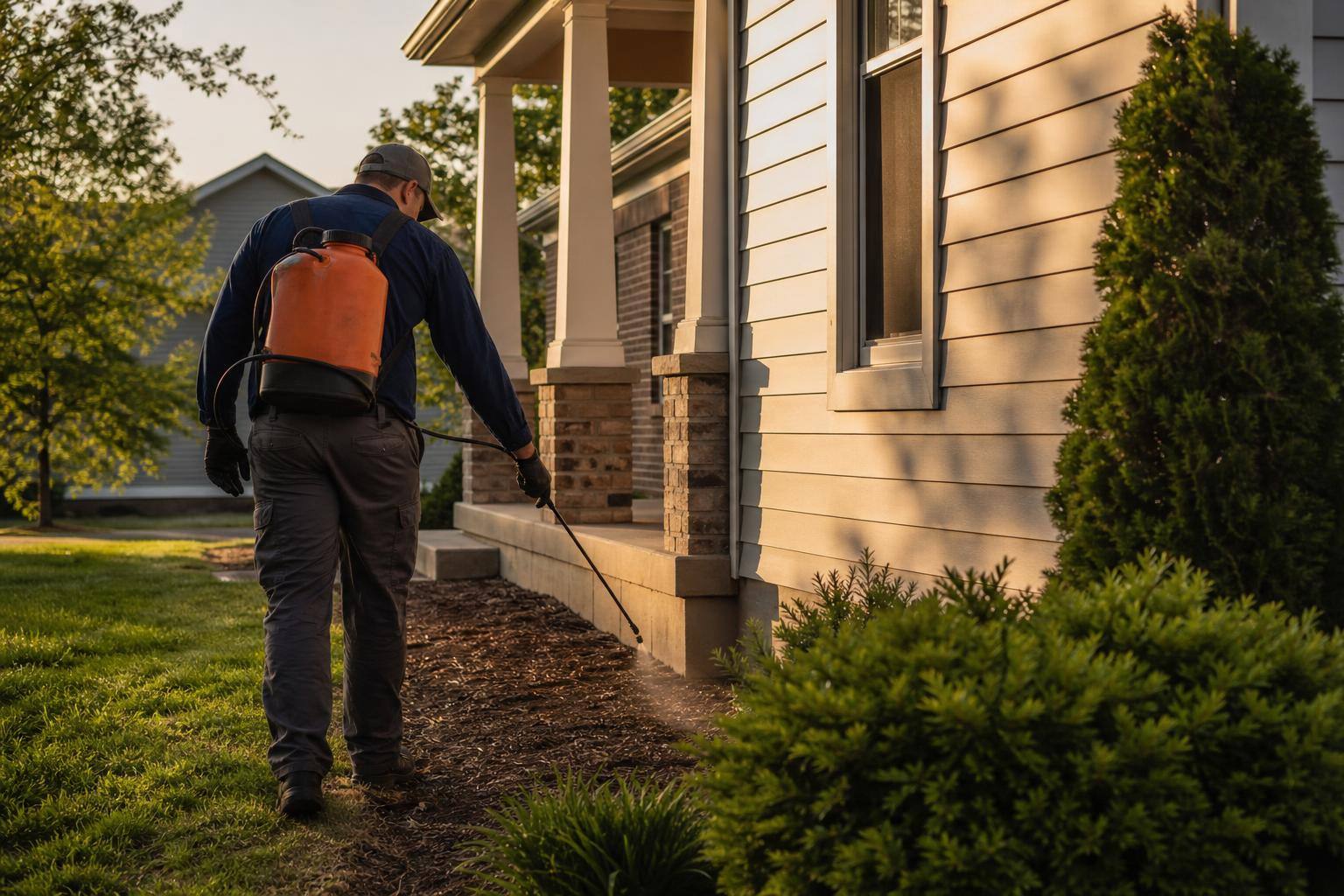
Spider control service · Greenwich, CT
In Belle Haven, a spider treatment may start around stone walls, deep plantings, and a detached garage before moving indoors. One call gets the right Greenwich service scoped.
A real person answers · No forms · No waiting on a quote email
Plan
Large Greenwich homes with landscaped grounds often fit a targeted treatment or whole-home treatment, while a single attic, basement, or garage issue may need only an inspection.
Quote
The quote is given on the call and changes with treatment size, access, activity, materials, and distance across Greenwich.
Time
The visit time is set on the call around access, household needs, and conditions at the property.
Greenwich work ranges from attic activity in Old Greenwich to web removal around back entrances in Cos Cob, Riverside, and Glenville. Rocky ground, mature trees, stone landscaping, and expansive estate grounds can hide travel routes, so the treatment plan follows the actual property rather than just the room where webs appeared.
Services
Greenwich
Greenwich properties can have long walks from parking areas to the house, detached structures, dense plantings, stonework, and older basements. A spider treatment may need attention at foundation edges, window wells, crawl spaces, attic access, and exterior lighting. The work is sized around where spiders travel and shelter, not simply the largest room showing webs.
Residential treatment for Greenwich homes considers mature landscaping, stone walls, detached garages, and the distance between living areas and exterior activity.
Indoor work in Old Greenwich and Cos Cob may focus on basements, utility rooms, attics, window corners, and garage transitions.
Outdoor treatment addresses webs and travel points around Greenwich patios, foundation plantings, garden walls, decks, and outbuildings.
Web removal helps clear visible activity from Greenwich entries, eaves, porch ceilings, landscape structures, and areas near exterior lighting.
Recurring prevention suits Greenwich estates with extensive grounds, repeated perimeter activity, and several exterior areas that need scheduled attention.
Managers handling Greenwich apartments or rental homes can arrange treatment around shared entries, basements, storage spaces, and tenant access.
Commercial work in Greenwich covers building exteriors, service areas, loading points, and landscaped approaches where lighting and shelter support spider activity.
The most common Greenwich jobs fit targeted treatment or whole-home treatment because larger lots and mature plantings create more than one activity zone. A smaller inspection is sensible when the source is unclear or limited to one area.
A technician checks common hiding areas, identifies spider activity, and looks for conditions attracting spiders.
An inspection suits a Greenwich homeowner who finds occasional spiders in an attic, basement, or garage and needs common hiding areas and attracting conditions checked first.
A targeted treatment addresses visible activity in selected indoor or outdoor areas and may include web removal.
A targeted treatment fits visible activity at selected rooms, porches, foundation sections, or detached garages, including a Greenwich property where webs stay concentrated near one entrance.
A whole-home service treats interior and exterior areas where spiders commonly travel, shelter, or build webs.
A whole-home treatment fits larger Greenwich houses with activity across interior and exterior travel routes, especially estates with multiple buildings, mature trees, and landscaped edges.
A recurring plan uses scheduled inspections and perimeter treatments to help reduce repeat spider activity.
Recurring prevention fits Greenwich properties where spiders return around stone walls, exterior lights, basement entries, or broad grounds after individual treatments have addressed visible activity.
Cost
The exact quote is given on the call. It depends on the type and size of the job, visible activity, parts and materials, time on site, distance, access, and after-hours work. Greenwich estates may require more planning when treatment areas are spread across the grounds.
The number of rooms, buildings, webs, and travel routes changes the work, especially on Greenwich properties with broad landscaped grounds.
Rocky ground, long drives, gates, stairs, and detached structures can change time on site and access from one Greenwich area to another.
Parts and materials depend on the treatment areas, web removal needs, perimeter conditions, and whether indoor or outdoor work requires different preparation.
After-hours work, household access, weather exposure, and the amount of time needed around basements or landscaped areas can affect the quote.
Describe every active area, building, and access issue when booking. The exact quote is given on the call so the treatment scope and any service or call-out charges are discussed before the visit.
What goes in
This covers spiders or webs in rooms, attics, basements, garages, and utility spaces. Greenwich homes with stone foundations may need attention near damp lower-level access points.
This covers webs on entries, eaves, decks, walls, and outbuildings. A typical Greenwich load includes several exterior areas around a landscaped estate.
This covers activity that returns after isolated web removal or treatment. Properties in Greenwich with mature trees, lighting, and extensive perimeter plantings may fit recurring prevention.
Not accepted. The service does not cover unrelated pests, hazardous materials, concealed structural damage, or areas that cannot be safely reached or prepared.
Projects
Attic treatment in Greenwich homes checks roofline access, stored items, webs, and nearby tree contact before selecting the service scope.
Greenwich basements can have foundation openings, utility rooms, and window wells that connect indoor activity with exterior shelter.
Garage work addresses corners, door edges, stored materials, and the transition to driveways or detached structures around Greenwich properties.
Exterior treatment covers Greenwich entries, eaves, stone walls, decks, foundation edges, and landscaped areas where webs collect.
Web removal suits visible buildup around Greenwich porches, outdoor lights, garden structures, and upper exterior surfaces.
Apartment work can separate affected units from shared basements, entries, and utility areas in Greenwich rental properties.
Commercial treatment in Fairfield County considers loading areas, service doors, exterior lighting, landscaped approaches, and employee access.
A real person records the Greenwich property type, location, activity, and access details so the visit can be scoped properly.
Explain where spiders or webs appear, how often they return, and whether attics, basements, garages, yards, or outbuildings are involved.
The treatment type, work areas, preparation needs, and exact quote are reviewed on the call before work is scheduled.
The technician treats agreed areas, may remove webs, and identifies conditions that support repeat activity around the property.
Weather
Humid Greenwich summers can increase activity around shaded plantings, damp lower levels, and exterior lights. Snowy winters and coastal storms can limit outdoor access, disturb webs, and move activity toward sheltered interiors. Weather conditions are considered when the visit is set.
Placement
Work may occur in crawl spaces, on slabs, in basements, utility rooms, garages, attics, yards, foundation edges, and landscaped structures. Greenwich's rocky ground, long drives, gates, stairs, dense plantings, and estate layouts can limit access to some areas.
Permits
A spider treatment on private property generally does not require a town permit, but street use, lane obstruction, or unusual placement questions belong with the Town of Greenwich. The call covers whether local approval or an inspection is relevant and who arranges it when needed.
Some Fairfield County associations, covenants, landlords, or property managers set rules for exterior work, shared areas, access, or treatment notices. Check those requirements before scheduling work at a managed Greenwich property.
Clear a path to the affected rooms, crawl spaces, slabs, basements, utility rooms, and yard edges. Keep shutoffs and access points reachable, provide parking for the work vehicle, and keep pets and people clear. Wet ground, snow, coastal storms, and rocky landscaping may limit placement.
Service covers Greenwich neighborhoods and settings including Old Greenwich, Riverside, Cos Cob, Glenville, Belle Haven, central Greenwich, and estate properties along the coast and inland roads. Nearby Fairfield County locations can be discussed when arranging the service area.
Not sure about your street? Ask on the call and we will tell you which office handles it.
Timing
Spider activity in Greenwich often becomes more noticeable through humid summers, when webs build around plantings, porches, lights, and outbuildings. Late summer and early autumn can bring repeated exterior observations, while snowy winter conditions encourage attention to basements, garages, attics, and other sheltered areas.
Mature trees, dense landscaping, stone walls, and exterior lighting can support webs around Greenwich estates during humid weather. Keep access clear around entries and outdoor treatment areas.
Snow and coastal storm conditions can restrict yards, stairs, and long drives while spiders remain noticeable in garages, basements, attics, and utility rooms.
Service area
Greenwich is part of our Fairfield County coverage, and we also serve the neighboring communities below.
Why us
Greenwich estates often spread activity across stone walls, mature plantings, detached garages, porches, and house foundations. The service is planned around those connected areas instead of treating only the first visible web.
Getcha Pest Control · Greenwich
Old Greenwich coastal exposure, rocky inland ground, and long access routes can change where spiders shelter and how outdoor work is reached. Describing the property layout helps match the visit to the actual conditions.
Click Here to Call (888) 510-9023FAQs
Still have a question about Greenwich? Call (888) 510-9023 and ask a real person.
The exact quote is given on the call. Cost depends on the job type and size, activity level, parts and materials, time on site, distance, access, and after-hours work. A Greenwich estate with several structures may need a different scope from one basement or garage.
An inspection fits unclear or limited activity, a targeted treatment fits selected areas, and a whole-home treatment fits connected indoor and outdoor activity. Recurring prevention suits repeat problems around Greenwich landscaping, stonework, lights, and multiple buildings.
The visit time is set on the call. Explain the activity, access, preferred scheduling needs, and whether weather affects outdoor areas. Same-day or after-hours availability can be discussed, but no arrival time is promised until the visit is arranged.
The agreed service can address indoor or outdoor travel and shelter areas, visible webs, and conditions attracting spiders. Depending on the tier, work may include rooms, basements, attics, garages, foundations, entries, eaves, yards, and landscaped structures.
It does not cover unrelated pests, hazardous materials, concealed structural damage, or areas that cannot be safely reached or prepared. A separate service may be needed for another pest or for building repairs found during the visit.
Ordinary private-property spider treatment generally does not require a town permit. Street use, unusual vehicle placement, lane obstruction, or inspection questions should be checked with the Town of Greenwich, and the call covers who handles any required approval.
Clear access to affected rooms, attics, basements, garages, utility spaces, and exterior areas. Unlock needed gates or rooms, keep pets and people away from work areas, and explain long drives, stairs, rocky ground, or detached structures before the visit.
Have the property location, rooms or exterior areas involved, web locations, frequency of activity, property type, access limits, pets, and any landlord or association rules ready. Mention separate buildings and landscaped grounds so the job can be scoped accurately.
Yes. Humid summers can increase exterior webs, while snow, coastal storms, and wet ground can limit outdoor access. Indoor work may still be possible, but the visit plan follows safe access to yards, stairs, foundations, and exterior structures.
Yes, the service can be planned for estate homes with broad landscaped grounds, stone walls, mature trees, detached structures, and several entry points. Describe the layout and access route so the treatment can address connected outdoor and indoor activity areas.
A real person answers · No forms · Every quote given on the phone