Residential spider control
Residential treatment for Lakemont cabins and wooded homes focuses on where spiders travel, shelter, and build webs around the structure.
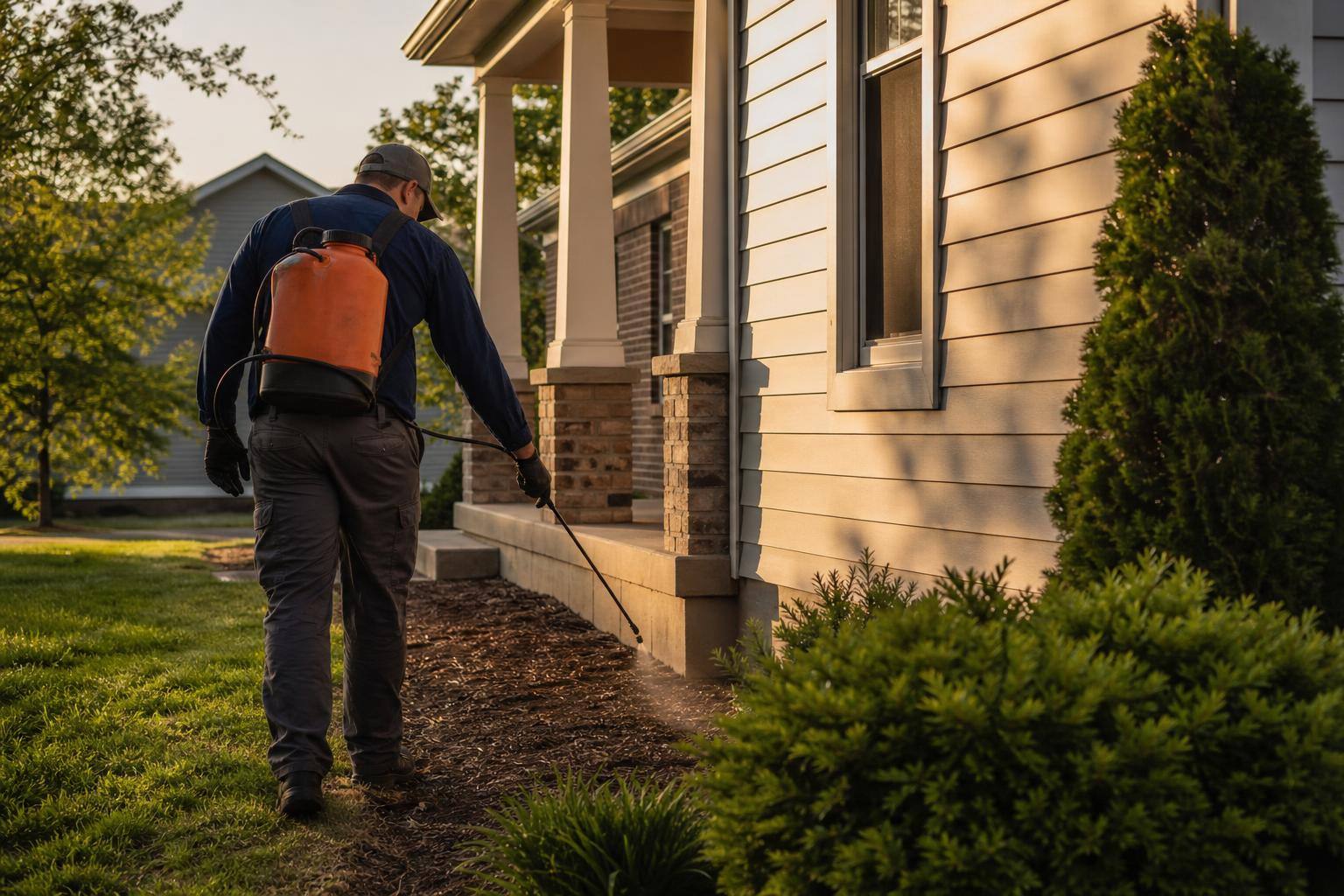
Spider control service · Lakemont, GA
Around Lakemont’s lake cabins and steep wooded lots, spiders follow damp rock, shaded siding, and open crawl spaces. One phone call sorts the activity into the right spider treatment.
A real person answers · No forms · No waiting on a quote email
Plan
Cabins on steep wooded lots commonly need a targeted treatment or whole-home treatment, depending on activity in crawl spaces, basements, decks, and exterior walls.
Quote
The quote is given on the call and changes with treatment size, access, activity, materials, and time on site.
Time
The visit time is set on the call around access to the property, road conditions, and the work area.
Lakefront cabins near Lake Rabun, wooded homes along Lakemont roads, and mountain properties toward Rabun County often have shaded foundations, decks, attics, and crawl spaces where spiders shelter. Work may involve web removal, indoor treatment, exterior perimeter areas, or recurring prevention around steep lots and damp outbuildings.
Services
Lakemont
Lakemont homes sit among heavy tree cover, mountain rainfall, and humid summer air. Lake cabins may have open decks, stone foundations, crawl spaces, and exterior lights that attract insects, giving spiders places to feed and build webs. Treatment is sized around the actual activity, the steep wooded access, and whether the problem is inside, outside, or repeating around the property.
Residential treatment for Lakemont cabins and wooded homes focuses on where spiders travel, shelter, and build webs around the structure.
Indoor treatment covers selected rooms, attics, basements, utility areas, and other Lakemont spaces showing spider activity.
Outdoor treatment addresses webs and travel routes around lake cabins, decks, foundation walls, sheds, and shaded Lakemont yards.
Web removal clears visible activity from eaves, porches, railings, and exterior corners around Lakemont homes before treatment planning.
Recurring prevention uses scheduled inspections and perimeter treatments for Lakemont properties where humid weather and wooded cover bring repeat activity.
Property managers in Lakemont can arrange treatment for cabins, apartments, and homes with repeated web activity across difficult mountain access.
Commercial treatment serves Lakemont buildings, entrances, storage areas, and exterior lighting zones where spiders gather around visitors and staff.
Most Lakemont jobs begin with an inspection or targeted treatment. A whole-home treatment fits cabins with activity across several areas, while recurring prevention suits properties repeatedly exposed to wooded slopes, lake moisture, and exterior lighting.
A technician checks common hiding areas, identifies spider activity, and looks for conditions attracting spiders.
An inspection fits a Lakemont cabin where the source is unclear. The technician checks hiding areas, identifies activity, and looks for conditions attracting spiders around the home.
A targeted treatment addresses visible activity in selected indoor or outdoor areas and may include web removal.
A targeted treatment suits visible webs on a deck, selected rooms, or one exterior wall near Lake Rabun, with treatment limited to the affected indoor or outdoor areas.
A whole-home service treats interior and exterior areas where spiders commonly travel, shelter, or build webs.
A whole-home treatment fits a steep wooded Lakemont property with activity in several places, such as the attic, basement, crawl space, siding, and porch.
A recurring plan uses scheduled inspections and perimeter treatments to help reduce repeat spider activity.
Recurring prevention suits a cabin or rental property where spiders return after humid weather. Scheduled inspections and perimeter treatments address repeat activity around the structure.
Cost
The exact quote is given on the call after the job is described. Cost depends on the type and size of treatment, indoor and outdoor areas, spider activity, materials, time on site, distance, and access on Lakemont’s steep wooded roads.
Prices change with an inspection, targeted treatment, whole-home treatment, or recurring prevention, along with the number of indoor and outdoor areas involved.
Distance from the Lakemont service area, steep driveways, narrow mountain approaches, stairs, and limited parking can change the time and work required.
Visible webs in one place differ from activity across an attic, basement, crawl space, deck, exterior wall, and utility room.
Materials used for the selected treatment, along with preparation and time on site, affect the quote for the property and its spider activity.
Describe the property, access, affected areas, and visible activity before approving work. The exact quote is given on the call, so the treatment scope and related charges are clear before the visit is set.
What goes in
This covers spiders or webs in attics, basements, crawl spaces, garages, and utility rooms. In a Lakemont lake cabin, describe which rooms or levels show activity.
This covers webs around eaves, decks, siding, porches, railings, sheds, and foundation walls. A typical Lakemont load is a steep driveway leading to a wooded cabin.
This covers repeat activity that returns after treatment or humid weather. Mention the property history, wooded slope, lake exposure, and areas where webs keep rebuilding.
Not accepted. The service does not cover unrelated wildlife, structural repairs, inaccessible areas, or materials and conditions outside the agreed spider treatment.
Projects
Attic treatment checks roofline gaps, stored items, insulation edges, and webs where warm, sheltered space attracts spiders in Lakemont cabins.
Basement work addresses foundation edges, utility areas, damp corners, and stair access common in Rabun County mountain homes.
Garage treatment focuses on door edges, stored materials, corners, and exterior transitions at Lakemont homes with wooded driveways.
Exterior treatment covers eaves, siding, decks, porches, foundation walls, and lighting areas around Lakemont lake cabins.
Web removal clears visible webs from railings, covered porches, roof edges, and outbuildings before treatment is selected for the Lakemont property.
Apartment treatment can focus on affected rooms, shared entry areas, utility spaces, and exterior access points in Lakemont buildings.
Commercial work addresses entrances, storage areas, exterior lights, and service access around Lakemont businesses and Rabun County properties.
A real person answers by phone. Describe the Lakemont property, the spider activity, and any steep or restricted access.
Explain where webs or spiders appear, when they return, and whether the activity involves a cabin interior, deck, basement, attic, or exterior.
The treatment type and exact quote are discussed on the call, based on the affected areas, access, materials, and time required.
The technician treats the agreed areas, may remove accessible webs, and explains prevention steps or recurring service suited to the property.
Weather
Mountain rainfall can keep exterior surfaces damp, while humid Lakemont summers support insect activity that feeds spiders. Steep wooded roads and occasional winter icing can limit safe access, so weather and surface conditions are discussed when the visit is set.
Placement
Work may take place in crawl spaces, on slabs, in basements, utility rooms, garages, attics, decks, porches, yards, and exterior walls. Steep slopes, wet ground, stairs, stored items, locked rooms, and winter ice can limit safe access around Lakemont properties.
Permits
Spider treatment at a private Lakemont property generally does not require a local government permit, but street placement, access, or work affecting public space can raise separate questions. Approval comes from the City of Lakemont if applicable, and the call covers who should arrange any required inspection or approval.
Lake cabins and mountain homes in Rabun County may have HOA, covenant, or landlord rules about exterior work, access, parking, or treatment notices. Check the property rules before the visit and share any restrictions on the call.
Clear a path to the affected rooms, crawl spaces, utility areas, decks, and exterior walls. Keep shutoffs and access points reachable, provide safe parking for the work vehicle, and keep pets and people away. Wet ground, steep slopes, and winter icing may restrict the work area.
Service covers lakefront and wooded parts of Lakemont, including properties around Lake Rabun, steep hillside homes, cabin roads, decks, basements, and outbuildings. Nearby service discussions may also include Piedmont, Arden, Turtletown, Pigeon Forge, and Aiken when the address and travel conditions are reviewed.
Not sure about your street? Ask on the call and we will tell you which office handles it.
Timing
Spider activity in Lakemont often becomes more noticeable through humid summer weather, when insects and sheltered exterior spaces support web building. Mountain rainfall keeps shaded areas damp, while cabins may see activity around decks, lights, basements, and crawl spaces. Fall cooling can push spiders toward protected indoor areas, and winter icing can affect access.
Summer humidity and heavy tree cover can increase webs around porches, eaves, decks, and exterior lights. Treatment planning accounts for lake exposure, shaded siding, wet ground, and the condition of steep approaches.
Occasional winter icing can make mountain driveways, stairs, and paths difficult to use safely. Keep the affected area reachable, describe the approach, and set the visit around actual access conditions.
Service area
Lakemont is part of our Rabun County coverage, and we also serve the neighboring communities below.
Why us
Lakemont lake cabins combine shaded siding, open decks, crawl spaces, and exterior lighting on steep wooded lots. That layout gives spiders several routes and shelter points, so the treatment needs to follow the property rather than stop at one visible web.
Getcha Pest Control · Lakemont
Mountain rainfall and humid summers keep many Lakemont exterior areas damp, while winter icing can complicate access to cabins and outbuildings. The work plan accounts for safe approach, reachable treatment areas, and whether a focused visit or recurring prevention fits the property.
Click Here to Call (888) 510-9023FAQs
Still have a question about Lakemont? Call (888) 510-9023 and ask a real person.
The exact quote is given on the call. Cost depends on the treatment type and size, affected indoor or outdoor areas, spider activity, materials, time on site, distance, and access to the steep wooded property.
An inspection fits unclear activity, a targeted treatment fits selected areas, and a whole-home treatment fits activity across several parts of the cabin. Recurring prevention suits repeat webs around decks, siding, crawl spaces, or outbuildings.
The visit time is set on the call after the address, access, treatment area, and current scheduling needs are reviewed. Mention if the property has winter icing, a steep driveway, locked areas, or limited parking.
The agreed service can cover indoor areas, outdoor travel routes, visible webs, perimeter areas, or recurring prevention. The scope depends on the selected treatment and the locations described before the visit.
Spider treatment does not cover unrelated wildlife, structural repairs, inaccessible areas, or conditions outside the agreed service. Share concerns about other pests or building damage separately when describing the Lakemont property.
Private spider treatment generally does not need a local permit or inspection, but work involving public space or special property rules may be different. The call covers whether the City of Lakemont or another authority needs to be involved.
Clear access to affected rooms, crawl spaces, basements, decks, and exterior walls. Make shutoffs reachable, arrange safe parking, secure pets and people, and explain stairs, slopes, locked areas, or winter ice before the visit.
Have the service address, property type, affected areas, web locations, activity pattern, access limits, and any prior treatment information ready. A description of the lake cabin layout helps match the visit to the job.
Mountain rainfall and humid summers can keep exterior areas damp and support spider activity, while winter icing can limit access. The visit is set around safe conditions for the driveway, paths, decks, and treatment areas.
Lake cabins often combine wooded cover, shaded siding, open decks, exterior lights, damp foundations, and sheltered roof edges. Those conditions provide travel routes and feeding areas, so treatment may need to cover more than the web that first gets noticed.
A real person answers · No forms · Every quote given on the phone