Residential spider control
Cabins and rural homes in Turtletown can receive treatment around living areas, porches, crawl spaces, and exterior entry points.
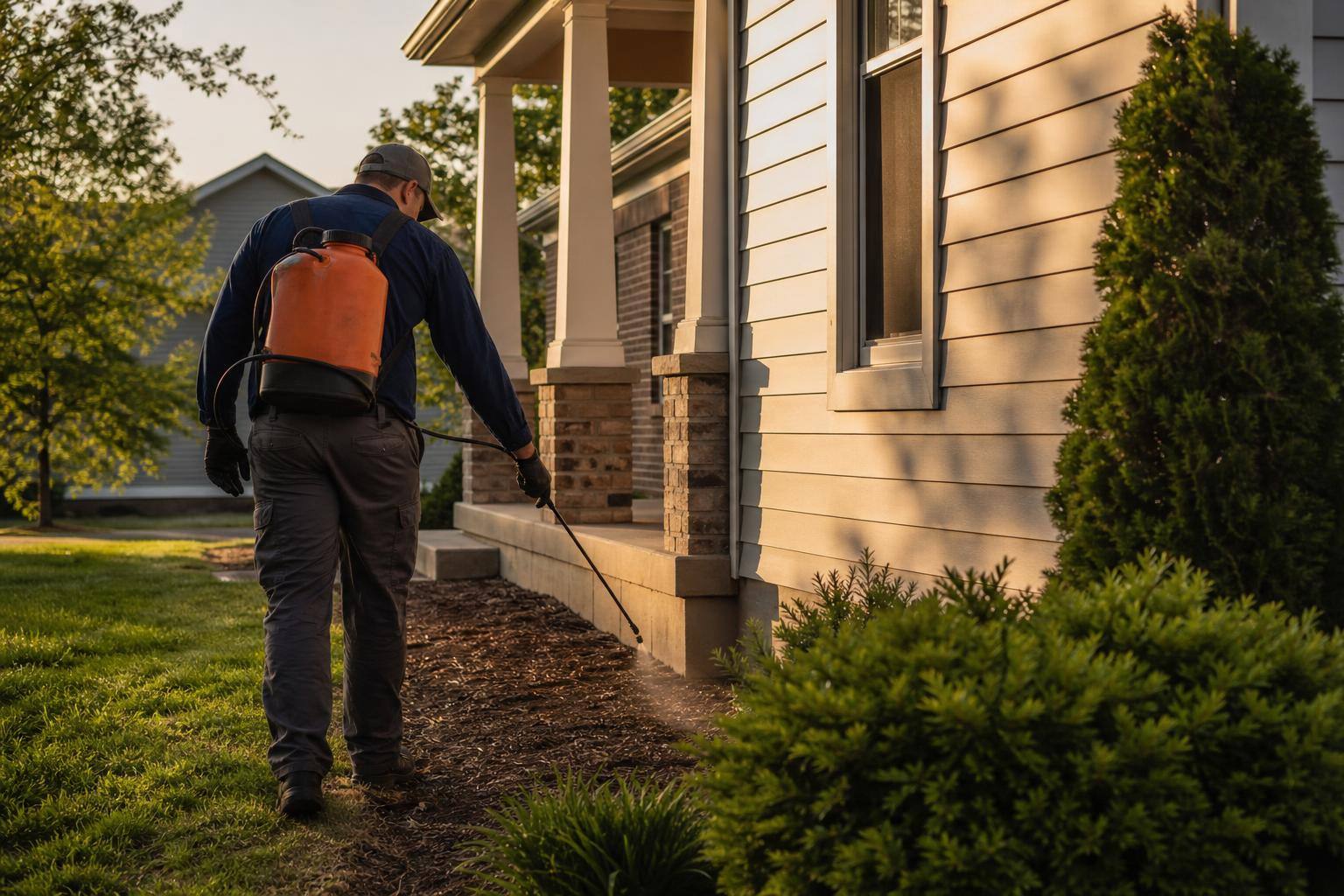
Spider control service · Turtletown, TN
Remote Appalachian cabins along Turtletown Creek often collect spiders around porches, crawl spaces, and roof overhangs beside dense forest. One phone call sorts the inspection, treatment size, and visit plan.
A real person answers · No forms · No waiting on a quote email
Plan
Cabins and wooded homes in Turtletown commonly need a targeted treatment first, while repeated activity around decks and outbuildings may suit recurring prevention.
Quote
The quote is given on the call and changes with activity, treatment areas, materials, access, distance, and time on site.
Time
The visit time is set on the call after the property, road access, and spider activity are described.
Spider work in Turtletown cabins, creekside properties, steep wooded lots, and homes near the Cherokee National Forest takes more than brushing away a few webs. The treatment plan accounts for dark crawl spaces, porch framing, roof edges, storage areas, and access along narrow mountain roads where forest cover keeps exterior activity close to the home.
Services
Turtletown
Turtletown homes are often cabins or rural houses with porches, detached garages, crawl spaces, and heavy vegetation close to the walls. Humid mountain weather and rainfall keep sheltered corners attractive to spiders. Work may involve checking the interior, tracing activity around doors and windows, removing webs, and treating selected exterior routes without assuming the entire property needs the largest service.
Cabins and rural homes in Turtletown can receive treatment around living areas, porches, crawl spaces, and exterior entry points.
Indoor work checks attics, basements, utility rooms, and storage corners where Turtletown homes may hold webs or active spiders.
Exterior treatment focuses on porch ceilings, eaves, sheds, and wooded edges around Turtletown properties where spiders travel and build webs.
Web removal clears visible activity from Turtletown porches, roof lines, garages, and outbuildings while the surrounding conditions are assessed.
Recurring prevention suits Turtletown cabins beside forest, especially where moisture, vegetation, and repeated exterior web activity continue through the seasons.
Managers overseeing Polk County cabins or apartments can coordinate treatment for shared entries, storage areas, exterior walls, and occupied units.
Commercial buildings near Turtletown roads, workshops, and customer entrances may need targeted treatment where lighting and sheltered edges attract spiders.
A targeted treatment fits many Turtletown jobs because activity is often concentrated around a porch, garage, attic, or wooded side of a cabin. Whole-home treatment or recurring prevention makes more sense when spiders are moving through several connected areas.
A technician checks common hiding areas, identifies spider activity, and looks for conditions attracting spiders.
An inspection fits a Turtletown cabin where the spider source is unclear. The technician checks hiding areas, identifies activity, and looks for moisture, lighting, or vegetation attracting spiders.
A targeted treatment addresses visible activity in selected indoor or outdoor areas and may include web removal.
A targeted treatment suits visible webs around a porch, garage, or selected rooms in Turtletown. It addresses chosen indoor or outdoor areas and may include web removal.
A whole-home service treats interior and exterior areas where spiders commonly travel, shelter, or build webs.
A whole-home treatment fits a wooded Turtletown property with activity in several rooms, crawl spaces, roof edges, and exterior travel routes around the house.
A recurring plan uses scheduled inspections and perimeter treatments to help reduce repeat spider activity.
Recurring prevention suits remote Turtletown cabins with repeat activity. Scheduled inspections and perimeter treatments help address spiders returning from dense forest, damp ground, and sheltered structures.
Cost
The exact quote is given on the call after the job is described. Spider treatment cost depends on the type and size of the property, the areas involved, activity level, parts and materials, time on site, distance, access, and any after-hours work.
The number of rooms, exterior sections, webs, and hiding areas changes the work required for a Turtletown cabin or commercial building.
Steep wooded ground, narrow mountain roads, remote cabins, crawl spaces, and parking conditions from Turtletown can affect travel and time on site.
Treatment materials and any needed application equipment depend on the surfaces, indoor or outdoor areas, and conditions found during the spider visit.
After-hours work, occupied rooms, stored belongings, pets, and the amount of preparation needed can change the time and service cost.
To avoid surprise charges, describe every affected area, the property setting, road access, visible webs, repeat activity, and any requested after-hours work before the quote is given on the call.
What goes in
This covers spiders or webs in attics, basements, garages, utility rooms, and living areas. Turtletown cabin storage and crawl spaces should be mentioned when describing the job.
This covers webs on porches, eaves, doors, sheds, and exterior walls. A typical Turtletown load includes a cabin beside dense forest with several sheltered outdoor edges.
This covers repeat activity needing scheduled inspections and perimeter treatments. Turtletown properties near damp ground, heavy vegetation, and forest can be reviewed for recurring prevention.
Not accepted. The service does not cover unrelated wildlife removal, structural repairs, electrical work, or areas that cannot be safely accessed for inspection or treatment.
Projects
Attic treatment checks roof edges, insulation boundaries, stored items, and entry routes in Turtletown cabins where forest cover keeps upper areas sheltered.
Basement work examines damp corners, utility penetrations, windows, and storage areas common in Polk County homes on sloped or wooded ground.
Garage treatment addresses webs around doors, rafters, stored equipment, and exterior vegetation at Turtletown homes and detached buildings.
Exterior service follows porch ceilings, eaves, windows, lights, and wall edges around Turtletown houses exposed to humid mountain weather.
Web removal can focus on porches, roof lines, sheds, and entryways near Turtletown Creek, followed by a review of conditions supporting repeat activity.
Apartment service can address units, hallways, shared entries, and exterior walls in Turtletown properties where activity moves between connected areas.
Commercial treatment suits workshops, offices, and customer entrances in Polk County, with attention to lighting, roof edges, storage, and loading access.
A real person answers by phone around the clock. Share the Turtletown property type, address, affected areas, and access conditions.
Explain where spiders or webs appear, how often they return, whether activity is indoors or outdoors, and what nearby forest or moisture conditions exist.
The technician discusses the suitable inspection or treatment tier, work areas, preparation, quote, and visit details before work is arranged.
The technician treats the agreed areas, may remove visible webs, and explains practical steps for reducing repeat activity around the property.
Weather
Turtletown’s humid mountain weather and heavy rainfall can keep exterior surfaces damp and vegetation dense, while mild winters allow spider activity to persist. Wet roads and steep wooded ground may affect access, so the visit plan accounts for current conditions and the property’s approach.
Placement
Work may take place in crawl spaces, on slabs, around basements, inside utility rooms, across porches, and through yards. Stored belongings, locked areas, steep slopes, wet ground, narrow drives, and dense vegetation can limit access to the affected sections.
Permits
Spider treatment on a private property generally does not require a local government permit, but street placement, blocked access, or work involving public space can raise separate questions. The City of Turtletown is not an incorporated city, so Polk County is the place to ask about county-controlled placement; the call can cover who arranges any required approval.
Covenants, landlords, or neighborhood rules in Polk County may control exterior treatment, access to shared areas, notices, or contractor scheduling. Have the property manager or landlord instructions ready when the treatment is arranged.
Clear a path to the affected rooms, crawl spaces, utility areas, porches, and exterior walls. Keep pets and people away, provide a safe parking spot, unlock gates, and mention steep ground, wet soil, dense vegetation, or seasonal road limits.
Service covers remote cabins, creekside properties, wooded slopes, rural homes, detached garages, apartments, and commercial buildings throughout Turtletown and Polk County. Nearby service areas may include Maryville, Pigeon Forge, Lakemont, Arden, and Piedmont when arranged through the phone booking process.
Not sure about your street? Ask on the call and we will tell you which office handles it.
Timing
Spider activity in Turtletown can remain persistent because mild winters do not always stop movement, while humid conditions and heavy rainfall support sheltered exterior areas. Spring growth, summer moisture, and autumn movement toward cabins can all bring webs back around porches, roof edges, garages, and utility openings.
Heavy rain can leave steep wooded drives slick and make exterior ground harder to cross. Describe the approach, parking, drainage, and any soft areas so the visit can be planned around safe access.
Mild Turtletown winters may leave spiders active in garages, crawl spaces, basements, and protected porches. Indoor activity can continue even when wet or cool conditions reduce work outside.
Service area
Turtletown is part of our Polk County coverage, and we also serve the neighboring communities below.
Why us
Turtletown cabins sit close to dense forest, steep ground, and heavy rainfall, so the useful inspection follows real travel routes around porches, roof edges, crawl spaces, garages, and utility openings rather than treating a generic room list.
Getcha Pest Control · Turtletown
Remote access changes the job before treatment begins. A clear description of the mountain road, parking, slope, locked areas, and affected structures helps match the service to the property without oversizing the work.
Click Here to Call (888) 510-9023FAQs
Still have a question about Turtletown? Call (888) 510-9023 and ask a real person.
The exact quote is given on the call after the property and activity are described. Cost changes with the job size, treatment areas, materials, time on site, distance, steep or restricted access, and after-hours work. Mention every cabin structure, porch, garage, and repeat problem before the quote is prepared.
A targeted treatment often fits visible activity in one porch, room, garage, or exterior section. An inspection suits an unclear source, while whole-home treatment or recurring prevention fits activity across connected areas or repeated webs. Describe the building layout and every affected location so the service is sized correctly.
The visit time is set on the phone after the property, access, and activity are reviewed. Ask about available timing, including same-day or next-day options if needed, without assuming a particular arrival time. Remote roads, steep drives, weather, and the requested treatment area may affect scheduling.
The agreed service may cover selected indoor or outdoor areas where spiders travel, shelter, or build webs, and may include visible web removal for a targeted treatment. The plan can involve porches, eaves, garages, attics, basements, crawl spaces, utility rooms, or perimeter routes after those areas are discussed.
Spider service does not cover unrelated wildlife removal, electrical repairs, structural repairs, or inaccessible areas that cannot be safely inspected or treated. Mention other pests, damaged building materials, locked spaces, steep ground, and sheds or outbuildings so the work limits are clear before the visit.
Private spider treatment generally does not need a local government permit or inspection, but work involving public space, blocked roads, or special property rules may require separate approval. Polk County can address county-controlled placement questions, while landlords, covenants, or property managers may set their own access requirements.
Clear access to affected rooms, crawl spaces, utility areas, porches, garages, and exterior walls. Unlock gates, move loose obstacles, provide safe parking, and keep pets and people away from the work area. Tell the technician about steep ground, wet soil, stored items, and any areas that cannot be entered.
Have the Turtletown address, property type, affected rooms or structures, web locations, repeat history, access instructions, parking details, and preferred visit information ready. Also mention nearby forest, heavy vegetation, rainfall-related access problems, pets, tenants, and any after-hours request.
Yes, humid mountain weather, heavy rainfall, steep wooded ground, and mild winters can affect both spider activity and access. Wet roads or saturated yards may limit exterior work, while protected attics, basements, garages, and utility rooms can remain active during cooler weather. Describe current conditions when booking.
Spiders can return where dense forest, porch lighting, vegetation, damp ground, roof overhangs, and small entry routes provide shelter or prey. A cabin beside wooded Appalachian ground may need recurring prevention when webs repeatedly form around the same exterior edges after rain or seasonal changes.
A real person answers · No forms · Every quote given on the phone