Bedroom bed bug treatment
Sleeping areas in Clintonville, campus housing, and Columbus homes receive focused attention to mattresses, bed frames, nearby cracks, and furnishings.
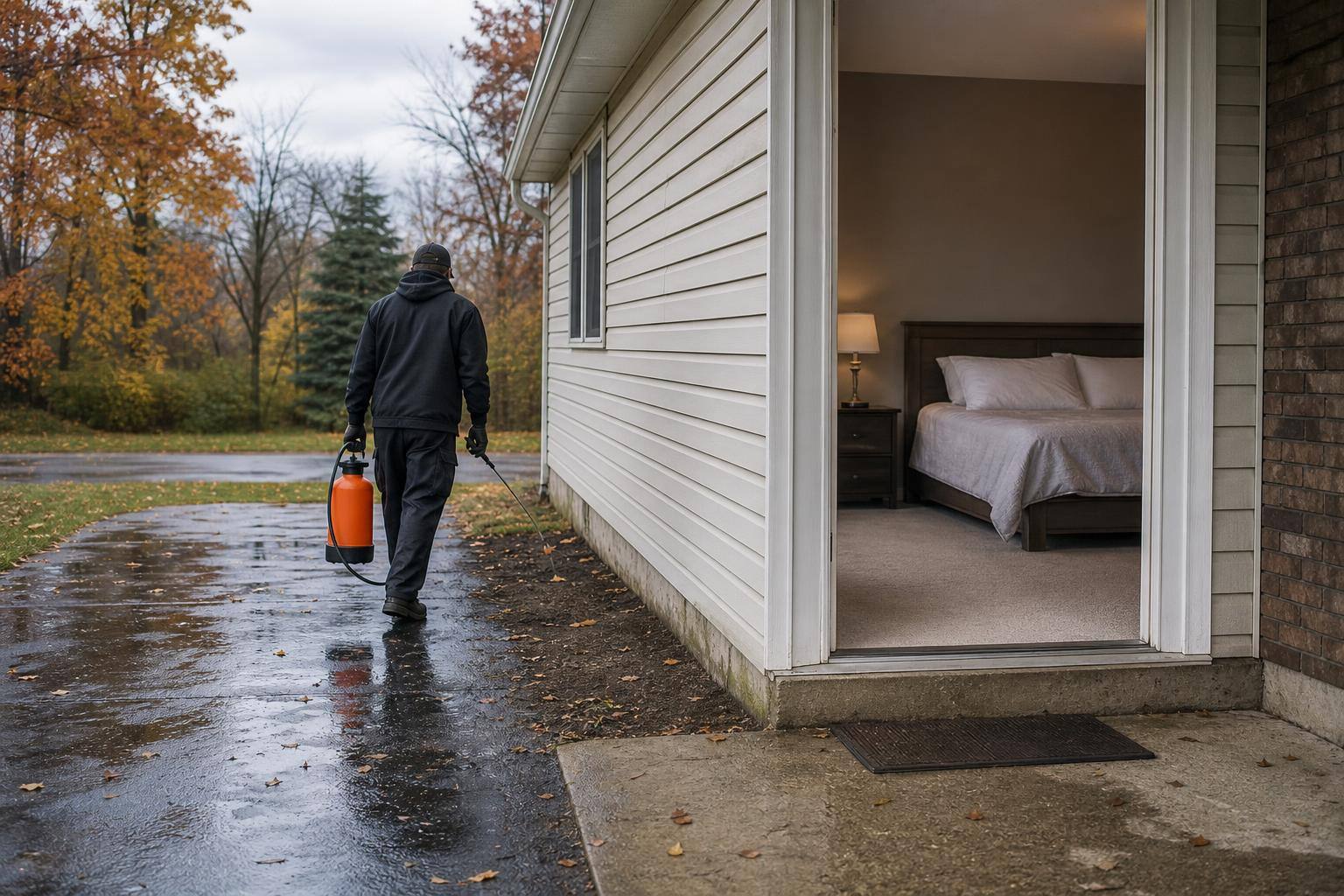
Bed bug treatment · Columbus, OH
An apartment in Clintonville, a dorm room near Ohio State, or an older house in Franklinton can hide bed bugs in different places. One call sorts the inspection and treatment type for the Columbus property.
A real person answers · No forms · No waiting on a quote email
Plan
Older Columbus houses often need a whole-home treatment when rooms connect through shared walls, while an isolated apartment bedroom may fit a single-room treatment after inspection.
Quote
The exact quote is given on the call, based on rooms affected, access, preparation, materials, travel, and follow-up work.
Time
The visit time is set on the call around access to the property, residents, pets, and treatment preparation.
Bed bug work in Columbus ranges from student housing near Ohio State to apartments in Downtown and older homes in Olde Towne East, German Village, and Franklinton. The inspection looks at sleeping areas, upholstered furniture, cracks, and connected rooms so the treatment matches the building instead of treating every property alike.
Services
Columbus
Columbus has dense blocks, student rentals, high-rise apartments, postwar houses, and older homes with many seams and built-ins. Humid summers can make occupants notice bites and activity quickly, while tight hallways, shared walls, and limited parking affect how technicians reach rooms and furnishings. The job starts with evidence, not assumptions.
Sleeping areas in Clintonville, campus housing, and Columbus homes receive focused attention to mattresses, bed frames, nearby cracks, and furnishings.
Apartment treatment in Downtown Columbus or the Short North considers shared walls, hallway access, neighboring units, and the affected room.
Older Columbus houses in German Village and Olde Towne East may need connected rooms examined and treated according to inspection findings.
Furniture treatment examines seams, joints, drawers, and upholstery before targeted work, useful for Columbus moves involving beds, sofas, and chairs.
A move-in inspection for a Columbus rental checks sleeping areas and furnishings before belongings spread evidence through the new home.
Hotel service in Columbus requires careful inspection of guest rooms, furniture, luggage areas, and connected spaces while protecting normal access routes.
Multi-unit service in Franklin County coordinates affected units, shared areas, and nearby units when inspection findings show broader movement.
The single-room treatment fits many Columbus bedroom and apartment calls when evidence stays localized. Whole-home treatment is more suitable for connected rooms, older layouts, or activity found beyond the sleeping area. Larger buildings may need a multi-unit program.
A pest professional examines sleeping areas, furniture, cracks, and other likely harborage sites for evidence.
A Columbus tenant, buyer, or hotel manager can use an inspection when bites, spotting, or reports need confirmation before treatment is selected.
Treatment focuses on one affected room and commonly includes targeted application to hiding places and furnishings.
This fits an isolated bedroom in a campus rental, Downtown apartment, or Columbus home when inspection findings do not point into connected areas.
The service treats affected rooms and connected areas according to the inspection findings and preparation plan.
A house in Franklinton, German Village, or Olde Towne East may need this tier when rooms connect through halls, shared furnishings, or wall openings.
A coordinated program inspects and treats affected units, shared areas, and nearby units when appropriate.
Apartment buildings and hotels in Columbus may require coordinated inspection and treatment across affected units, shared spaces, and nearby units.
Cost
The exact quote is given on the call after the job is described. Cost depends on the type and size of the treatment, rooms affected, preparation, access, parts and materials, time on site, distance within Columbus, and any after-hours work.
The number of affected rooms, sleeping areas, furnishings, and connected spaces changes the work required in a Columbus house or apartment.
Tight stairwells, high-rise access, shared hallways, limited parking, and dense Columbus blocks can change time on site and handling requirements.
Targeted applications, treatment materials, furniture condition, and the preparation plan affect the job more than a simple room label.
Distance across Columbus and Franklin County, building access, and after-hours scheduling can affect the quote and the visit plan.
The quote is discussed before work is scheduled. Describe every affected room, nearby unit concern, furniture item, access restriction, and preparation issue so the scope is not understated.
What goes in
Visible bugs, shed skins, or spotting help define the inspection. A typical Columbus apartment load may include a mattress, bed frame, nightstand, and nearby upholstered chair.
Bites and dark spotting can support an inspection but do not identify every cause by themselves. Note where signs appear in the home and when they were noticed.
Mattresses, box springs, sofas, chairs, and drawers are examined for harborage. Columbus move-outs often involve several furnishings that need separate inspection.
Not accepted. The service does not cover unrelated pests, unsafe areas, concealed conditions that cannot be accessed, or belongings and materials outside the agreed bed bug treatment scope.
Projects
Bedroom treatment in Columbus homes, campus rentals, and apartments focuses on sleeping areas, bed frames, nearby furniture, cracks, and confirmed harborage.
Apartment work in the Short North, Downtown, or elsewhere in Columbus considers shared walls, neighboring units, elevators, and hallway access.
Whole-home service suits connected rooms in older Columbus houses where evidence reaches beyond one bedroom or furnishings have moved between rooms.
Furniture treatment examines sofas, chairs, mattresses, drawers, and joints, useful for Columbus residents handling used pieces or a move.
Hotel service in Columbus examines guest rooms, furnishings, luggage areas, and connected spaces while the treatment plan accounts for operating access.
A move-in inspection helps Columbus renters and buyers examine sleeping areas and furniture before belongings distribute a hidden problem.
Multi-unit work across Franklin County coordinates inspections and treatment for affected apartments, shared spaces, and nearby units when appropriate.
Provide the Columbus address, property type, affected rooms, signs noticed, building access, and any nearby unit reports.
Explain bites, droppings, sightings, furniture involvement, and when evidence appeared so the inspection is planned around the actual concern.
Follow the preparation plan for rooms, furniture, people, and pets so sleeping areas, cracks, and furnishings can be reached.
The technician treats according to inspection findings and the preparation plan, then explains follow-up needs for the property.
Weather
Columbus humidity can make indoor conditions uncomfortable during summer treatment preparation. Spring storms can affect access and parking, while freeze thaw cycles create muddy approaches and slippery exterior paths. Indoor inspection still depends on clear routes through the property.
Placement
Work happens around beds, furniture, cracks, connected rooms, and other likely harborage sites. At Columbus properties, narrow stairways, elevators, dense parking, finished basements, utility rooms, and locked rooms can limit access. Keep people and pets away from the work area.
Permits
A bed bug treatment inside a Columbus property generally concerns pest work rather than street construction. If equipment, access, or placement raises a local question, the City of Columbus or Franklin County can identify any required approval. The call covers who should arrange that review before the visit.
Franklin County landlords, condominium associations, and HOAs may have rules for entry, notices, shared walls, treatment preparation, or vendor access. Residents should check those requirements with the landlord or association before the treatment is scheduled.
Clear the affected rooms, sleeping areas, furniture edges, and access routes. Provide parking for the work vehicle where possible, identify shutoffs or restricted rooms, and keep people and pets clear. Spring mud, summer humidity, and winter ice can affect exterior approaches.
Service covers Columbus neighborhoods and settings including Clintonville, German Village, Olde Towne East, Franklinton, Downtown, the Short North, campus housing, the North Side, East Side, South Side, and West Side. Nearby Franklin County properties and surrounding central Ohio locations can be discussed on the call.
Not sure about your street? Ask on the call and we will tell you which office handles it.
Timing
Bed bug work in Columbus can arise in any season, especially in apartments, student housing, hotels, and homes with frequent visitors or moves. Activity often becomes more noticeable during summer travel and humid indoor conditions. Fall moves, holiday visitors, and spring rental turnover can also bring new reports.
Summer travel through Columbus hotels and apartment communities can move luggage between rooms, while humid conditions make indoor complaints more noticeable. Keep luggage and furnishings available for inspection instead of moving them elsewhere.
Spring storms can complicate parking and exterior access, while rental turnover moves beds and furniture between Columbus properties. Share move dates and wet or muddy approach conditions when setting the visit.
Service area
Columbus is part of our Franklin County coverage, and we also serve the neighboring communities below.
Why us
Columbus combines older houses, campus rentals, apartment towers, hotels, and dense blocks, so bed bug work depends on building layout as much as the room where evidence was found. Shared walls, elevators, alleys, and limited parking can change inspection access.
Getcha Pest Control · Columbus
Franklin County properties also see frequent moves between apartments, student housing, and older neighborhoods. The treatment plan accounts for connected rooms, furniture movement, seasonal storms, and the difference between one affected bedroom and a broader building concern.
Click Here to Call (888) 510-9023FAQs
Still have a question about Columbus? Call (888) 510-9023 and ask a real person.
The exact quote is given on the call. Cost changes with the treatment tier, affected rooms, furniture, preparation, access, materials, time on site, distance, and after-hours scheduling. A Downtown apartment with elevator restrictions may require a different plan from a Columbus house with several connected rooms.
An inspection fits uncertain sightings, a single-room treatment fits localized evidence, and a whole-home treatment fits connected rooms or wider activity. A multi-unit program is for coordinated concerns across apartments, hotels, shared areas, or nearby units in Columbus.
The visit time is set on the call because access, preparation, residents, pets, and building rules must be considered. Explain whether the property is a house, apartment, hotel, or student rental and ask about available scheduling options.
The work covers the affected areas identified during inspection, including sleeping areas, furniture, cracks, connected rooms, and other likely harborage sites. The exact scope follows the inspection findings and preparation plan for the property.
It does not cover unrelated pests, inaccessible or unsafe areas, concealed conditions that cannot be reached, or belongings outside the agreed bed bug treatment scope. Describe other pest concerns separately when discussing a Columbus property.
Most interior bed bug treatments do not involve a construction permit, but local questions about equipment, access, or placement can be directed to the City of Columbus or Franklin County. The call covers who should arrange any required review.
Access to affected sleeping areas, furniture edges, cracks, and connected spaces is needed for a useful inspection and treatment. Tell the technician about locked rooms, elevators, stairs, landlord rules, and limited access before setting the Columbus visit.
Have the property address, building type, affected rooms, dates of sightings, bite or droppings details, furniture involved, access restrictions, and nearby unit reports ready. Photos or saved evidence can help describe the concern accurately.
Weather mainly affects exterior paths, parking, and access rather than the indoor inspection itself. Spring storms, summer humidity, and freeze thaw conditions can make approaches difficult, so mention muddy, icy, or restricted access when scheduling in Columbus.
They can be, because shared walls, hallways, elevators, and nearby units may affect the inspection. A report in one Short North or Downtown apartment may stay localized, but building-wide signs can call for a multi-unit program.
A real person answers · No forms · Every quote given on the phone